
 Áfíríkà
 Éṣíà
Éṣíà Yúróòpù
 Gúúsù Amẹ́ríkà
 Ọsirélíà àti Òṣéáníà
 Antáktíkà
 Òkun Pàsífíìkì
 Òkun Àtìláńtíìkì
 Òkun Íńdíà
 Òkun Áktíkì
 Òkun Mẹditaréníà
 Òkun Pupa
 Òkun Káríbíànù
 Òkun Coral
 Òkun Gúúsù Ṣáínà
 Òkun Fílípínì
 Òkun Andaman
 Òkun Àríwá
 Òkun Tímọ̀ àti Òkun Àráfúrà
 Ìyawọlẹ̀ Òkun Bẹ̀ngál
 Ìyawọlẹ̀ Òkun Kalifọ́níà
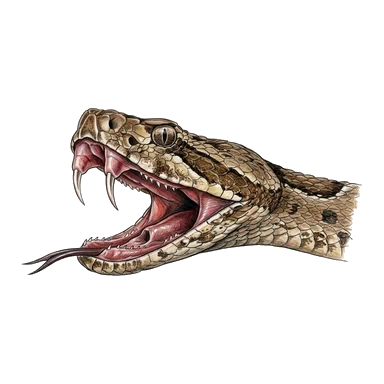
Asp viper
 Ìbùjẹ
ÌbùjẹThe asp viper is a venomous snake of south-western Europe. It lives in warm, sunny places with dry soil, often in hills and rocky areas. Its bite can be more severe than that of the European adder, so it is important to know what it looks like.1
 Bí o ṣe lè dá a mọ̀
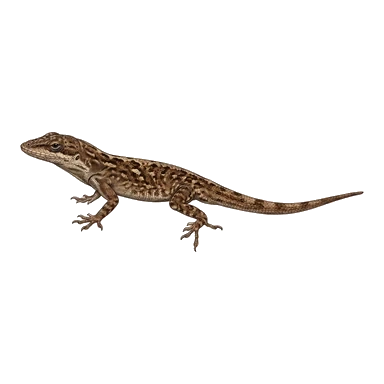
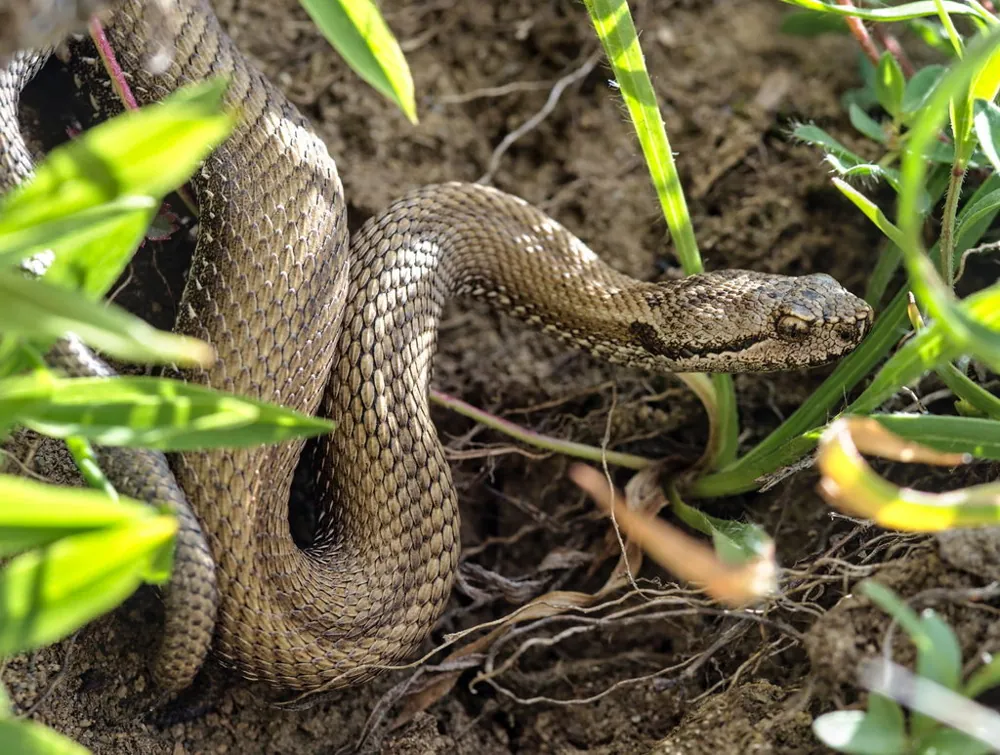
- Average total length is 60–65 cm. Males can reach 85 cm, while females are rarely longer than 75 cm.1
- The head is broad and triangular, and it is clearly separate from the neck.1
- The tip of the snout is slightly but distinctly turned up.1
- The tail is very short, and males are a little slimmer than females.1
- The pattern on the back varies a lot. It rarely forms a clear zigzag, unlike the European adder.1
A sábà máa ń ṣì í mọ̀ sí: The European adder (Vipera berus) is a close relative. The asp's back pattern rarely forms a clear zigzag, as the adder's often does. Bites from the asp can be more severe than those from the adder.1
Agbára oró
Oró ń jáde láti inú eyín oró tàbí eyín rẹ̀ nígbà tí ó bá bùjẹ.
Kí ni oró rẹ̀ máa ń ṣe?
Its venom causes rapidly spreading, severe pain, followed by swelling and skin discolouration. Severe bleeding and tissue death can happen within a few hours. Vision may be badly affected, and in some cases victims developed breathing and swallowing difficulties and paralysis of the bitten limb.1
Báwo ló ṣe léwu tó fún ènìyàn?
Ewu fún ènìyàn: Ó le gan-anÌbùjẹ nílò dókítà. Ikú kò wọ́pọ̀ rárá.About 4% of untreated bites are fatal. In Italy, this species causes 90% of snakebite cases and is the only snake in Italian mountains that can be potentially lethal. Its bites can be more severe than those of the European adder.1
 Bí ó bá bùjẹ
- Jẹ́ kí ẹni náà wà láìmira kí ó sì farabalẹ̀, jẹ́ kí apá tàbí ẹsẹ̀ tí ó bù jẹ wà ní ìpele ọkàn, yọ òrùka àti àwọn nǹkan tó há, kí ẹ sì lọ sí ilé ìwòsàn kíákíá.
Máa kọ́kọ́ pe nọ́ńbà pàjáwìrì rẹ nígbà gbogbo (112, 000, 911). Èyí jẹ́ ìtọ́sọ́nà ìtọ́jú àkọ́kọ́ gbogbogbò, kì í ṣe ìmọ̀ràn ìṣègùn. Ìpìlẹ̀ ìtọ́jú àkọ́kọ́
 Wà láìléwu
- Má ṣe fọwọ́ kan, mú tàbí yọ ẹranko igbó lẹ́nu láéláé, kódà bí ó bá kéré, kódà bí ó bá dà bí ẹni pé ó ń sùn tàbí ó ti kú.
- Fún un ní àyè. Bí o bá pàdé ọ̀kan, farabalẹ̀, sẹ́yìn díẹ̀díẹ̀ kí o sì jẹ́ kí ó máa bá ọ̀nà rẹ̀ lọ.
- Bí ọ̀kan bá bù ọ́ jẹ: farabalẹ̀, má ṣe mira, pe nọ́ńbà pàjáwìrì rẹ (112, 000, 911) tàbí lọ sí ilé ìwòsàn kíákíá. Rántí bí ó ṣe rí, fọ́tò máa ń ṣèrànwọ́.
Kò wá ọ kiri láti ṣe ọ́ léṣe. Ó ń lo oró rẹ̀ láti mú oúnjẹ tàbí láti dáàbò bo ara rẹ̀, ó sì fẹ́ràn láti farapamọ́ jù. Sí i nípa wíwà láìléwu
Báwo ló ṣe tóbi tó?
Báwo ló ṣe gùn tó?
 ó gùn tó ológbò ilé 1.5 láti imú dé ìrù
 ó gùn tó ọ̀gẹ̀dẹ̀ 5 tí a tò tẹ̀léra
 lè sáré mítà 100 ní ìṣẹ́jú-àáyá 110 (ènìyàn tó yára jùlọ nílò 9.6)
Báwo ni Asp viper ṣe tóbi tó tí a bá fi wé ÌWỌ?
Ìṣirò nìkan nínú bráwúsà rẹ. A kò fi ohunkóhun pamọ́, a kò sì fi ránṣẹ́ sí ibikíbi.
Báwo ló ṣe yára tó?


Òtítọ́
Ancient writers named the snake that supposedly killed Queen Cleopatra as an asp. Experts think a cobra would have been too big, over 5 feet long, to smuggle in a basket.1
In the past, the word "asp" was used to mean any venomous snake.1
In 2006, a number of these vipers were found in a wooded area near Poortugaal in the Netherlands. The species is not native there, so it was probably released or escaped.1
Asp vipers have been found at over 2,100 m above sea level in the Pyrenees, even though they are not strongly linked to high altitudes.1
The venom yield is relatively low. One study recorded a daily extraction of 9–10 mg.1
Olùfọ́ àròsọ
Àròsọ: Queen Cleopatra was killed by a cobra.
Òtítọ́: Ancient sources named the snake an asp. Experts think a cobra would have been too big to smuggle in a basket.1
Ibi tí àwọn òtítọ́ ti wá
- Vipera aspis (Wikipedia (CC BY-SA 4.0))
- Vipera aspis (iNaturalist): orúkọ àti ìpínsísọ̀rí.
- Venom Wiki: ìpele ewu, ìtóbi déédé àti àfojúbù ìyára jẹ́ tiwa. Wo bí a ṣe ń ṣírò wọn: Bí a ṣe ń díwọ̀n ewu.
Gbogbo òtítọ́ ojú-ìwé yìí ní nọ́ńbà tó tọ́ka sí orísun rẹ̀. Bí a bá ṣe àṣìṣe, má bínú, olólùfẹ́ ẹranko ni wá, kì í ṣe ìwé ìròyìn sáyẹ́ǹsì. Sọ fún wa ní [email protected] a ó sì tún un ṣe.
 Ebi ń pa àkekèé! Iṣẹ́ akanṣe ẹnì kan ṣoṣo ni Venom Wiki: ọ̀fẹ́ ni, kò sí ìpolówó, kò sì sí olùtọpinpin. Ẹ̀bùn kékeré ń ràn án lọ́wọ́ láti wà lórí íńtánẹ́ẹ̀tì.Bọ́ àkekèé
Sí i láti inú ẹgbẹ́ kan náà: Viper àti paramọ́lẹ̀
 Common European adder
 Blunt-nosed viper
 Nose-horned viper
 Ottoman viper
 Lataste's viper
 Meadow viper
Ó tún ń gbé ní: Yúróòpù
 Spanish flyÀwọn ẹranko onímájèlé mìírànÓ nílò dókítàMá ṣe fọwọ́ kàn án
 Common waspOyin, agbọ́n àti agbọ́n ńláÓ kàn ń dunni
 European hornetOyin, agbọ́n àti agbọ́n ńláÓ kàn ń dunni
 Fire salamanderÀkèré onímájèlé, ọ̀pọ̀lọ́ àti newtÓ kàn ń dunniMá ṣe fọwọ́ kàn án
 Western honey beeOyin, agbọ́n àti agbọ́n ńláÓ kàn ń dunni
 Mediterranean black widowAlántakùnÓ nílò dókítà