
 Áfíríkà
 Éṣíà
Éṣíà Yúróòpù
 Gúúsù Amẹ́ríkà
 Ọsirélíà àti Òṣéáníà
 Antáktíkà
 Òkun Pàsífíìkì
 Òkun Àtìláńtíìkì
 Òkun Íńdíà
 Òkun Áktíkì
 Òkun Mẹditaréníà
 Òkun Pupa
 Òkun Káríbíànù
 Òkun Coral
 Òkun Gúúsù Ṣáínà
 Òkun Fílípínì
 Òkun Andaman
 Òkun Àríwá
 Òkun Tímọ̀ àti Òkun Àráfúrà
 Ìyawọlẹ̀ Òkun Bẹ̀ngál
 Ìyawọlẹ̀ Òkun Kalifọ́níà
Common European adder
 Ìbùjẹ
ÌbùjẹThe common European adder is a venomous snake that lives across much of Europe and as far east as East Asia. In several European countries it is the only native venomous snake. It is not aggressive and usually bites only when it is cornered, stepped on or picked up.1



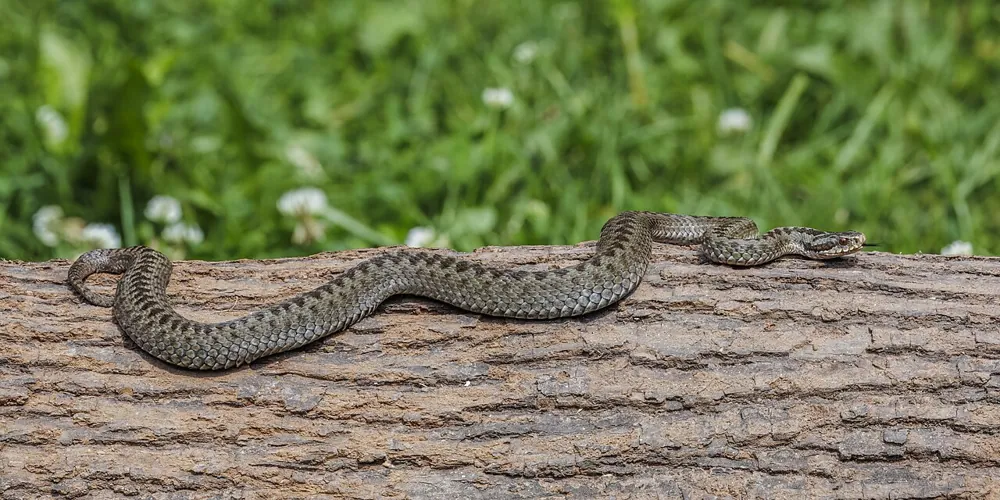
 Bí o ṣe lè dá a mọ̀
- Relatively thick body. Adults are usually about 60 cm long, including the tail.1
- Most have a dark zigzag pattern running along the back and tail.1
- A dark V or X marking is usually present on top of the head.1
- A dark streak runs from the eye to the neck, then continues as spots along the sides.1
- Females are usually brown with dark brown markings. Males are a uniform grey with black markings.1
Agbára oró
Oró ń jáde láti inú eyín oró tàbí eyín rẹ̀ nígbà tí ó bá bùjẹ.
Kí ni oró rẹ̀ máa ń ṣe?
Bites can be very painful, but they are rarely fatal.1
Báwo ló ṣe léwu tó fún ènìyàn?
Ewu fún ènìyàn: Ó le gan-anÌbùjẹ nílò dókítà. Ikú kò wọ́pọ̀ rárá.The adder is not regarded as especially dangerous. It is not aggressive and usually bites only when really provoked, stepped on or picked up. Bites are rarely fatal.1
Kí ni ó máa ń ṣe nígbà tí ẹ̀rù bá bà á?
When it feels threatened, it usually slips away into the undergrowth. Some snakes, often pregnant females, hiss loudly to warn off danger, and the front of the body is drawn into an S-shape before a strike.1
 Bí ó bá bùjẹ
- Jẹ́ kí ẹni náà wà láìmira kí ó sì farabalẹ̀, jẹ́ kí apá tàbí ẹsẹ̀ tí ó bù jẹ wà ní ìpele ọkàn, yọ òrùka àti àwọn nǹkan tó há, kí ẹ sì lọ sí ilé ìwòsàn kíákíá.
Máa kọ́kọ́ pe nọ́ńbà pàjáwìrì rẹ nígbà gbogbo (112, 000, 911). Èyí jẹ́ ìtọ́sọ́nà ìtọ́jú àkọ́kọ́ gbogbogbò, kì í ṣe ìmọ̀ràn ìṣègùn. Ìpìlẹ̀ ìtọ́jú àkọ́kọ́
 Wà láìléwu
- Má ṣe fọwọ́ kan, mú tàbí yọ ẹranko igbó lẹ́nu láéláé, kódà bí ó bá kéré, kódà bí ó bá dà bí ẹni pé ó ń sùn tàbí ó ti kú.
- Fún un ní àyè. Bí o bá pàdé ọ̀kan, farabalẹ̀, sẹ́yìn díẹ̀díẹ̀ kí o sì jẹ́ kí ó máa bá ọ̀nà rẹ̀ lọ.
- Bí ọ̀kan bá bù ọ́ jẹ: farabalẹ̀, má ṣe mira, pe nọ́ńbà pàjáwìrì rẹ (112, 000, 911) tàbí lọ sí ilé ìwòsàn kíákíá. Rántí bí ó ṣe rí, fọ́tò máa ń ṣèrànwọ́.
Kò wá ọ kiri láti ṣe ọ́ léṣe. Ó ń lo oró rẹ̀ láti mú oúnjẹ tàbí láti dáàbò bo ara rẹ̀, ó sì fẹ́ràn láti farapamọ́ jù. Sí i nípa wíwà láìléwu
Báwo ló ṣe tóbi tó?
Báwo ló ṣe gùn tó?
Báwo ló ṣe wúwo tó?
 ó gùn tó ológbò ilé 2 láti imú dé ìrù
 ó gùn tó ọ̀gẹ̀dẹ̀ 5 tí a tò tẹ̀léra
 lè sáré mítà 100 ní ìṣẹ́jú-àáyá 110 (ènìyàn tó yára jùlọ nílò 9.6)
Báwo ni Common European adder ṣe tóbi tó tí a bá fi wé ÌWỌ?
Ìṣirò nìkan nínú bráwúsà rẹ. A kò fi ohunkóhun pamọ́, a kò sì fi ránṣẹ́ sí ibikíbi.
Báwo ló ṣe yára tó?


Òtítọ́
It hibernates in winter. In northern Sweden, hibernation lasts 8 to 9 months, and it may come out to bask on mild days, sometimes crossing snow to do so.1
Around 15% of adults and 30 to 40% of juveniles die during hibernation.1
Males and females can often be told apart by colour, which is unusual for snakes.1
In several European countries it is the only native venomous snake.1
It is found farther north than any other snake species.1
Olùfọ́ àròsọ
Àròsọ: Adders are aggressive snakes that attack people.
Òtítọ́: Adders are timid. They usually disappear at the slightest hint of danger and bite only when cornered, alarmed, stepped on or picked up.1
Fún àwọn amòye oró
- Orúkọ sáyẹ́ǹsì
- Vipera berus
- Ẹgbẹ́
- Viper àti paramọ́lẹ̀
- Ìdílé
- Viperidae2
- Ètò
- Squamata
- Àwọn kọ́ńtínẹ́ńtì
- Yúróòpù, Éṣíà
- Àwọn ọmọ
- It gives birth to live young rather than laying eggs. Females breed once every two or three years, and litters range from three to 20 young.1
- Bí ó ṣe ń ṣe nínú igbó
- Least concern (IUCN Red List), although its population is decreasing. It is protected in many countries, and it is listed as endangered in Switzerland.1
- Ewu fún ènìyàn
- 3 / 5: Ó le gan-an3
Ibi tí àwọn òtítọ́ ti wá
- Adder (Wikipedia (CC BY-SA 4.0))
- Vipera berus (iNaturalist): orúkọ àti ìpínsísọ̀rí.
- Venom Wiki: ìpele ewu, ìtóbi déédé àti àfojúbù ìyára jẹ́ tiwa. Wo bí a ṣe ń ṣírò wọn: Bí a ṣe ń díwọ̀n ewu.
Gbogbo òtítọ́ ojú-ìwé yìí ní nọ́ńbà tó tọ́ka sí orísun rẹ̀. Bí a bá ṣe àṣìṣe, má bínú, olólùfẹ́ ẹranko ni wá, kì í ṣe ìwé ìròyìn sáyẹ́ǹsì. Sọ fún wa ní [email protected] a ó sì tún un ṣe.
 Ebi ń pa àkekèé! Iṣẹ́ akanṣe ẹnì kan ṣoṣo ni Venom Wiki: ọ̀fẹ́ ni, kò sí ìpolówó, kò sì sí olùtọpinpin. Ẹ̀bùn kékeré ń ràn án lọ́wọ́ láti wà lórí íńtánẹ́ẹ̀tì.Bọ́ àkekèé
Sí i láti inú ẹgbẹ́ kan náà: Viper àti paramọ́lẹ̀
 Indian saw-scaled viper
 Puff adder
 Paramọlẹ Russell
 Eastern Russell's viper
 Northeast African carpet viper
 Armenian viper
_female_Pieniny.jpg)
Ó tún ń gbé ní: Yúróòpù
 Spanish flyÀwọn ẹranko onímájèlé mìírànÓ nílò dókítàMá ṣe fọwọ́ kàn án
 Common waspOyin, agbọ́n àti agbọ́n ńláÓ kàn ń dunni
 European hornetOyin, agbọ́n àti agbọ́n ńláÓ kàn ń dunni
 Fire salamanderÀkèré onímájèlé, ọ̀pọ̀lọ́ àti newtÓ kàn ń dunniMá ṣe fọwọ́ kàn án
 Western honey beeOyin, agbọ́n àti agbọ́n ńláÓ kàn ń dunni
 Mediterranean black widowAlántakùnÓ nílò dókítà