
 Áfíríkà
 Éṣíà
Éṣíà Yúróòpù
 Gúúsù Amẹ́ríkà
 Ọsirélíà àti Òṣéáníà
 Antáktíkà
 Òkun Pàsífíìkì
 Òkun Àtìláńtíìkì
 Òkun Íńdíà
 Òkun Áktíkì
 Òkun Mẹditaréníà
 Òkun Pupa
 Òkun Káríbíànù
 Òkun Coral
 Òkun Gúúsù Ṣáínà
 Òkun Fílípínì
 Òkun Andaman
 Òkun Àríwá
 Òkun Tímọ̀ àti Òkun Àráfúrà
 Ìyawọlẹ̀ Òkun Bẹ̀ngál
 Ìyawọlẹ̀ Òkun Kalifọ́níà
Beadlet anemone
 Okùn-ọwọ́ tó ń ta ni (tentacles)
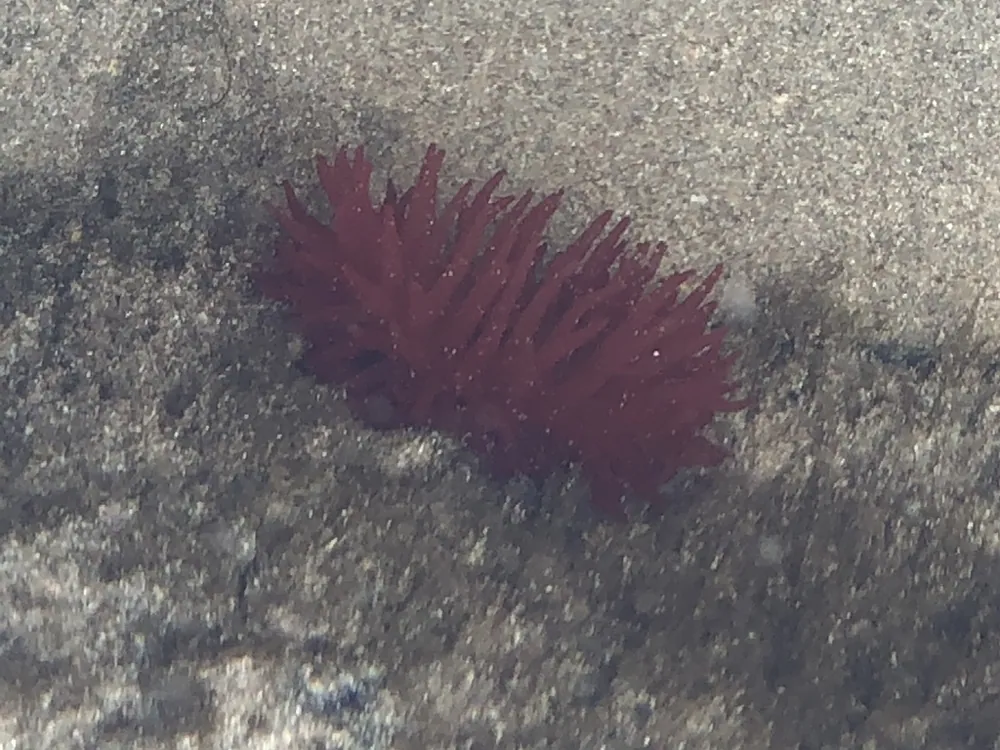
The beadlet anemone is a small sea animal that lives fixed to rocks on the shore. It looks like a blob of jelly when the tide is out, but under water it opens a crown of tentacles. It is common around the coasts of northern and western Europe, the Mediterranean, Africa, Australia and East Asia.1
 Bí o ṣe lè dá a mọ̀
- Under water, it has up to 192 tentacles arranged in six circles.1
- Out of water, the tentacles pull in and it looks like a blob of red, brown, green or orange jelly.1
- It is up to about 5 cm across.1
- It has bright blue beads just beneath the tentacles, at the top of its body.1
A sábà máa ń ṣì í mọ̀ sí: The Waratah anemone of Australia and New Zealand has a similar form. The strawberry anemone is also similar, but the beadlet anemone is a single uniform colour and is usually smaller.1
Agbára oró
Ẹgbẹẹgbẹ̀rún sẹ́ẹ̀lì ìtani kékeré máa ń ta jáde nígbà tí nǹkan bá fọwọ́ kàn wọ́n.
Báwo ló ṣe léwu tó fún ènìyàn?
Ewu fún ènìyàn: Fúyẹ́Bí ìtani oyin tàbí kò tó bẹ́ẹ̀. Kò fẹ́rẹ̀ẹ́ léwu fún ènìyàn.Kí ni ó máa ń ṣe nígbà tí ẹ̀rù bá bà á?
It uses its blue beads, which contain stinging cells, to fight other anemones over territory, and it pulls its tentacles in when out of water.1
 Bí ó bá ta ni
- Jáde kúrò nínú omi kí o sì yọ gbogbo okùn-ọwọ́ rẹ̀ (tentacles) kúrò (pẹ̀lú ìbọ̀wọ́ tàbí aṣọ).
- Fún box jellyfish ilẹ̀ olóoru: da ọtí kíkan (vinegar) sí ibi tí ó ti ta ni fún ó kéré tán ìṣẹ́jú-àáyá 30, pe fún ìrànlọ́wọ́ kí o sì múra láti ṣe CPR (ìmúsọjí ọkàn àti èémí). Fún bluebottles àti ọ̀pọ̀ àwọn yòókù: fi omi òkun fọ̀ ọ́, lẹ́yìn náà omi gbígbóná fún ìrora náà.
Máa kọ́kọ́ pe nọ́ńbà pàjáwìrì rẹ nígbà gbogbo (112, 000, 911). Èyí jẹ́ ìtọ́sọ́nà ìtọ́jú àkọ́kọ́ gbogbogbò, kì í ṣe ìmọ̀ràn ìṣègùn. Ìpìlẹ̀ ìtọ́jú àkọ́kọ́
 Wà láìléwu
- Má ṣe fọwọ́ kan, mú tàbí yọ ẹranko igbó lẹ́nu láéláé, kódà bí ó bá kéré, kódà bí ó bá dà bí ẹni pé ó ń sùn tàbí ó ti kú.
- Fún un ní àyè. Bí o bá pàdé ọ̀kan, farabalẹ̀, sẹ́yìn díẹ̀díẹ̀ kí o sì jẹ́ kí ó máa bá ọ̀nà rẹ̀ lọ.
- Bí ọ̀kan bá ta ọ́: farabalẹ̀, má ṣe mira, pe nọ́ńbà pàjáwìrì rẹ (112, 000, 911) tàbí lọ sí ilé ìwòsàn kíákíá. Rántí bí ó ṣe rí, fọ́tò máa ń ṣèrànwọ́.
Kò wá ọ kiri láti ṣe ọ́ léṣe. Ó ń lo oró rẹ̀ láti mú oúnjẹ tàbí láti dáàbò bo ara rẹ̀, ó sì fẹ́ràn láti farapamọ́ jù. Sí i nípa wíwà láìléwu
Níbo ní ayé?
Báwo ló ṣe tóbi tó?
Báwo ló ṣe gùn tó?
 ó kúrú ju ọmọdínrín ìka rẹ lọ
 ó lọ́ra ju ìgbín inú ọgbà lọ
Báwo ni Beadlet anemone ṣe tóbi tó tí a bá fi wé ÌWỌ?
Ìṣirò nìkan nínú bráwúsà rẹ. A kò fi ohunkóhun pamọ́, a kò sì fi ránṣẹ́ sí ibikíbi.
Báwo ló ṣe yára tó?

Òtítọ́
A famous individual called "Granny" was found on Scotland's east coast in 1828 and produced several hundred offspring before it died in 1887.1
The only known predator of the beadlet anemone is the grey sea slug.1
They can tolerate high temperatures and drying out, which helps them survive on the shore.1
Beadlet anemones can live alone or in clusters, and solitary ones tend to grow larger.1
Fún àwọn amòye oró
- Orúkọ sáyẹ́ǹsì
- Actinia equina
- Ẹgbẹ́
- Jellyfish àti àwọn ẹ̀dá òkun tó ń ta ni
- Ìdílé
- Actiniidae2
- Ètò
- Actiniaria
- Àwọn kọ́ńtínẹ́ńtì
- Òkun Àtìláńtíìkì, Òkun Mẹditaréníà, Òkun Àríwá, Àwọn òkun ńlá
- Àwọn ọmọ
- It gives birth to live young. Up to one hundred embryos develop inside its body before being released into the water as juveniles.1
- Ewu fún ènìyàn
- 1 / 5: Fúyẹ́3
Ibi tí àwọn òtítọ́ ti wá
- Beadlet anemone (Wikipedia (CC BY-SA 4.0))
- Actinia equina (iNaturalist): orúkọ àti ìpínsísọ̀rí.
- Venom Wiki: ìpele ewu, ìtóbi déédé àti àfojúbù ìyára jẹ́ tiwa. Wo bí a ṣe ń ṣírò wọn: Bí a ṣe ń díwọ̀n ewu.
Gbogbo òtítọ́ ojú-ìwé yìí ní nọ́ńbà tó tọ́ka sí orísun rẹ̀. Bí a bá ṣe àṣìṣe, má bínú, olólùfẹ́ ẹranko ni wá, kì í ṣe ìwé ìròyìn sáyẹ́ǹsì. Sọ fún wa ní [email protected] a ó sì tún un ṣe.
 Ebi ń pa àkekèé! Iṣẹ́ akanṣe ẹnì kan ṣoṣo ni Venom Wiki: ọ̀fẹ́ ni, kò sí ìpolówó, kò sì sí olùtọpinpin. Ẹ̀bùn kékeré ń ràn án lọ́wọ́ láti wà lórí íńtánẹ́ẹ̀tì.Bọ́ àkekèé
Sí i láti inú ẹgbẹ́ kan náà: Jellyfish àti àwọn ẹ̀dá òkun tó ń ta ni
 Australian box jellyfishJellyfish àti àwọn ẹ̀dá òkun tó ń ta niApaniMá ṣe fọwọ́ kàn án
 Irukandji jellyfishJellyfish àti àwọn ẹ̀dá òkun tó ń ta niÓ lè paniMá ṣe fọwọ́ kàn án
 Portuguese man o' warJellyfish àti àwọn ẹ̀dá òkun tó ń ta niÓ nílò dókítàMá ṣe fọwọ́ kàn án
 Lion's mane jellyfishJellyfish àti àwọn ẹ̀dá òkun tó ń ta niÓ kàn ń dunniMá ṣe fọwọ́ kàn án
 Moon jellyfishJellyfish àti àwọn ẹ̀dá òkun tó ń ta niAláìléwu
 Common kingslayerJellyfish àti àwọn ẹ̀dá òkun tó ń ta niÓ lè paniMá ṣe fọwọ́ kàn án
 Hawksbill sea turtle
 Blue sea dragon
 Greenland shark
 Common octopus
 Common stingray
 Greater weever