
 Áfíríkà
 Éṣíà
Éṣíà Yúróòpù
 Gúúsù Amẹ́ríkà
 Ọsirélíà àti Òṣéáníà
 Antáktíkà
 Òkun Pàsífíìkì
 Òkun Àtìláńtíìkì
 Òkun Íńdíà
 Òkun Áktíkì
 Òkun Mẹditaréníà
 Òkun Pupa
 Òkun Káríbíànù
 Òkun Coral
 Òkun Gúúsù Ṣáínà
 Òkun Fílípínì
 Òkun Andaman
 Òkun Àríwá
 Òkun Tímọ̀ àti Òkun Àráfúrà
 Ìyawọlẹ̀ Òkun Bẹ̀ngál
 Ìyawọlẹ̀ Òkun Kalifọ́níà
Common cuttlefish
 Ìbùjẹ
ÌbùjẹThe common cuttlefish is a sea creature related to squid and octopuses. It is one of the largest and best-known cuttlefish species. It lives on sand and mud seabeds in the Mediterranean, North Sea and Baltic Sea.1
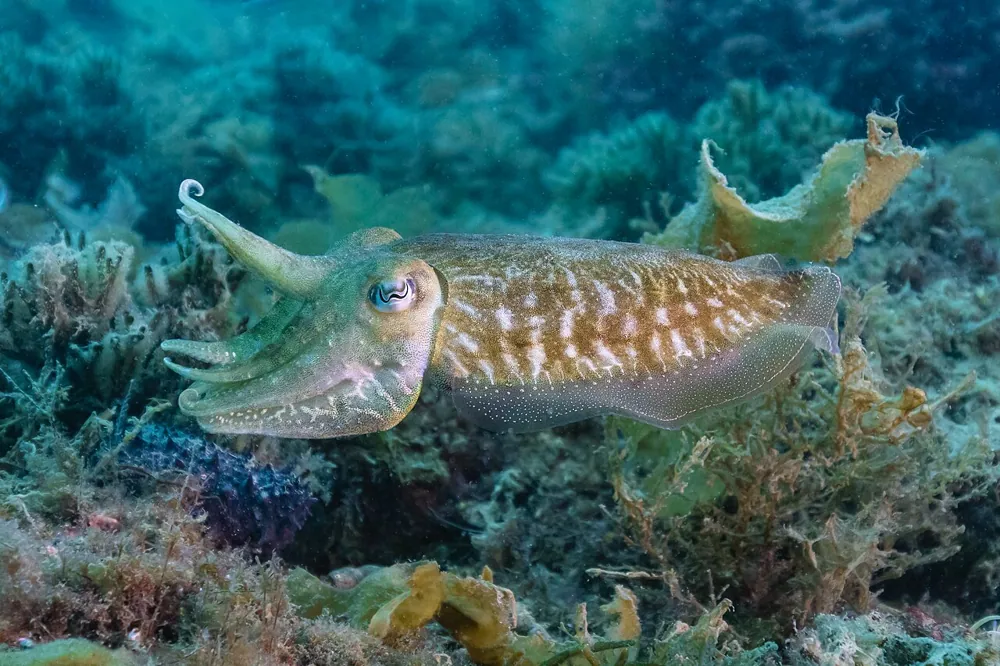
 Bí o ṣe lè dá a mọ̀
- Two highly developed eyes and eight arms around the mouth, plus two longer feeding tentacles1
- An internal shell, the cuttlebone, on the back of the body1
- Males in breeding season show a bold black and white zebra pattern on the mantle1
- Females in breeding season show a uniform grey colour1
- Can change colour and skin texture to blend into its surroundings1
Agbára oró
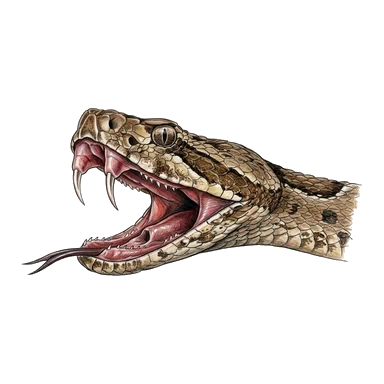
Oró ń jáde láti inú eyín oró tàbí eyín rẹ̀ nígbà tí ó bá bùjẹ.
Báwo ló ṣe léwu tó fún ènìyàn?
Ewu fún ènìyàn: Fúyẹ́Bí ìtani oyin tàbí kò tó bẹ́ẹ̀. Kò fẹ́rẹ̀ẹ́ léwu fún ènìyàn.Kí ni ó máa ń ṣe nígbà tí ẹ̀rù bá bà á?
It hides by camouflage, sitting still while a predator passes. If found, it jets away using its siphon and often releases ink.1
 Bí ó bá bùjẹ
- Dídì pẹ̀lú ìfúnpá láìmira (pressure immobilisation): fi bándéèjì rọ́bà (elastic) tó le wé ibi ìbùjẹ náà, lẹ́yìn náà wé e sókè títí bo gbogbo apá tàbí ẹsẹ̀ náà, fi igi ìdábùú (splint) dì í, kí o sì jẹ́ kí ẹni náà wà láìmira rárá títí ìrànlọ́wọ́ yóò fi dé.
- Octopus olórùka búlúù tàbí ìgbín cone lè dá èémí ènìyàn dúró nígbà tí ó ṣì wà lójúfò: pe fún ìrànlọ́wọ́, kí o sì múra láti fún un ní èémí ìgbàlà (fífẹ́ atẹ́gùn sí ẹnu rẹ̀) títí ọkọ̀ aláìsàn yóò fi dé tí wọn yóò sì gba iṣẹ́ náà.
Máa kọ́kọ́ pe nọ́ńbà pàjáwìrì rẹ nígbà gbogbo (112, 000, 911). Èyí jẹ́ ìtọ́sọ́nà ìtọ́jú àkọ́kọ́ gbogbogbò, kì í ṣe ìmọ̀ràn ìṣègùn. Ìpìlẹ̀ ìtọ́jú àkọ́kọ́
 Wà láìléwu
- Má ṣe fọwọ́ kan, mú tàbí yọ ẹranko igbó lẹ́nu láéláé, kódà bí ó bá kéré, kódà bí ó bá dà bí ẹni pé ó ń sùn tàbí ó ti kú.
- Fún un ní àyè. Bí o bá pàdé ọ̀kan, farabalẹ̀, sẹ́yìn díẹ̀díẹ̀ kí o sì jẹ́ kí ó máa bá ọ̀nà rẹ̀ lọ.
- Bí ọ̀kan bá bù ọ́ jẹ: farabalẹ̀, má ṣe mira, pe nọ́ńbà pàjáwìrì rẹ (112, 000, 911) tàbí lọ sí ilé ìwòsàn kíákíá. Rántí bí ó ṣe rí, fọ́tò máa ń ṣèrànwọ́.
Kò wá ọ kiri láti ṣe ọ́ léṣe. Ó ń lo oró rẹ̀ láti mú oúnjẹ tàbí láti dáàbò bo ara rẹ̀, ó sì fẹ́ràn láti farapamọ́ jù. Sí i nípa wíwà láìléwu
Níbo ní ayé?
Báwo ló ṣe tóbi tó?
Báwo ló ṣe gùn tó?
Báwo ló ṣe wúwo tó?
 ó gùn tó ọ̀gẹ̀dẹ̀ 2.5 tí a tò tẹ̀léra
 ó gùn tó bíríkì ìṣeré 15 tí a tò sí ìlà kan
 ó wúwo tó ológbò ilé
 lè lúwẹ̀ẹ́ gígùn adágún ìwẹ̀ ńlá (50 m) ní ìṣẹ́jú-àáyá 12
Báwo ni Common cuttlefish ṣe tóbi tó tí a bá fi wé ÌWỌ?
Ìṣirò nìkan nínú bráwúsà rẹ. A kò fi ohunkóhun pamọ́, a kò sì fi ránṣẹ́ sí ibikíbi.
Báwo ló ṣe yára tó?

Òtítọ́
Cuttlefish can change colour and skin texture within seconds, and this camouflage ability is present before they hatch, as young can change their pattern from inside the egg.1
Young cuttlefish learn prey preferences before hatching. Embryos that see crabs later hunt crabs more often than shrimp.1
The colour sepia, a deep brown, is named after this cuttlefish and is extracted from its ink sac.1
Cuttlebones are sold as a source of calcium for pet parrots, and they help keep the bird's beak trimmed.1
Cuttlefish ink is used as a food ingredient that stains dishes deep black.1
Large numbers of cuttlefish die after spawning, and they usually live only up to 2 years.1
Fún àwọn amòye oró
- Orúkọ sáyẹ́ǹsì
- Sepia officinalis
- Ẹgbẹ́
- Ìgbín cone àti octopus
- Ìdílé
- Sepiidae2
- Ètò
- Sepiida
- Àwọn kọ́ńtínẹ́ńtì
- Òkun Àtìláńtíìkì, Òkun Mẹditaréníà, Òkun Àríwá, Àwọn òkun ńlá
- Àwọn ọmọ
- The female attaches between 150 and 4000 eggs to seaweed, shells or other surfaces. The eggs hatch after 30 to 90 days, depending on temperature, into miniature adults.1
- Ọjọ́ ayé
- nǹkan bí ọdún 21
- Bí ó ṣe ń ṣe nínú igbó
- Least Concern1
- Ewu fún ènìyàn
- 1 / 5: Fúyẹ́3
Ibi tí àwọn òtítọ́ ti wá
- Common cuttlefish (Wikipedia (CC BY-SA 4.0))
- Sepia officinalis (iNaturalist): orúkọ àti ìpínsísọ̀rí.
- Venom Wiki: ìpele ewu, ìtóbi déédé àti àfojúbù ìyára jẹ́ tiwa. Wo bí a ṣe ń ṣírò wọn: Bí a ṣe ń díwọ̀n ewu.
Gbogbo òtítọ́ ojú-ìwé yìí ní nọ́ńbà tó tọ́ka sí orísun rẹ̀. Bí a bá ṣe àṣìṣe, má bínú, olólùfẹ́ ẹranko ni wá, kì í ṣe ìwé ìròyìn sáyẹ́ǹsì. Sọ fún wa ní [email protected] a ó sì tún un ṣe.
 Ebi ń pa àkekèé! Iṣẹ́ akanṣe ẹnì kan ṣoṣo ni Venom Wiki: ọ̀fẹ́ ni, kò sí ìpolówó, kò sì sí olùtọpinpin. Ẹ̀bùn kékeré ń ràn án lọ́wọ́ láti wà lórí íńtánẹ́ẹ̀tì.Bọ́ àkekèé
Sí i láti inú ẹgbẹ́ kan náà: Ìgbín cone àti octopus
 Geography cone
 Greater blue-ringed octopus
 Southern blue-ringed octopus
 Blue sea dragon
 Common octopus
 Giant Pacific octopus
,_Parque_natural_de_la_Arr%C3%A1bida,_Portugal,_2020-07-21,_DD_62.jpg)
Ó tún ń gbé ní: Òkun Àtìláńtíìkì
 Hawksbill sea turtleÀwọn ẹranko onímájèlé mìírànÓ lè pani
 Portuguese man o' warJellyfish àti àwọn ẹ̀dá òkun tó ń ta niÓ nílò dókítàMá ṣe fọwọ́ kàn án
 Greenland sharkÀwọn ẹranko onímájèlé mìírànÓ kàn ń dunni
 Lion's mane jellyfishJellyfish àti àwọn ẹ̀dá òkun tó ń ta niÓ kàn ń dunniMá ṣe fọwọ́ kàn án
 Moon jellyfishJellyfish àti àwọn ẹ̀dá òkun tó ń ta niAláìléwu
 Common stingrayẸja olóróÓ nílò dókítà