
 Áfíríkà
 Éṣíà
Éṣíà Yúróòpù
 Gúúsù Amẹ́ríkà
 Ọsirélíà àti Òṣéáníà
 Antáktíkà
 Òkun Pàsífíìkì
 Òkun Àtìláńtíìkì
 Òkun Íńdíà
 Òkun Áktíkì
 Òkun Mẹditaréníà
 Òkun Pupa
 Òkun Káríbíànù
 Òkun Coral
 Òkun Gúúsù Ṣáínà
 Òkun Fílípínì
 Òkun Andaman
 Òkun Àríwá
 Òkun Tímọ̀ àti Òkun Àráfúrà
 Ìyawọlẹ̀ Òkun Bẹ̀ngál
 Ìyawọlẹ̀ Òkun Kalifọ́níà
Matabele ant
 Ìtani
ÌtaniThe Matabele ant is one of the largest ants in the world, and it hunts termites in raiding columns. It lives across much of sub-Saharan Africa. It is known for its teamwork, including rescuing and caring for injured nestmates.1

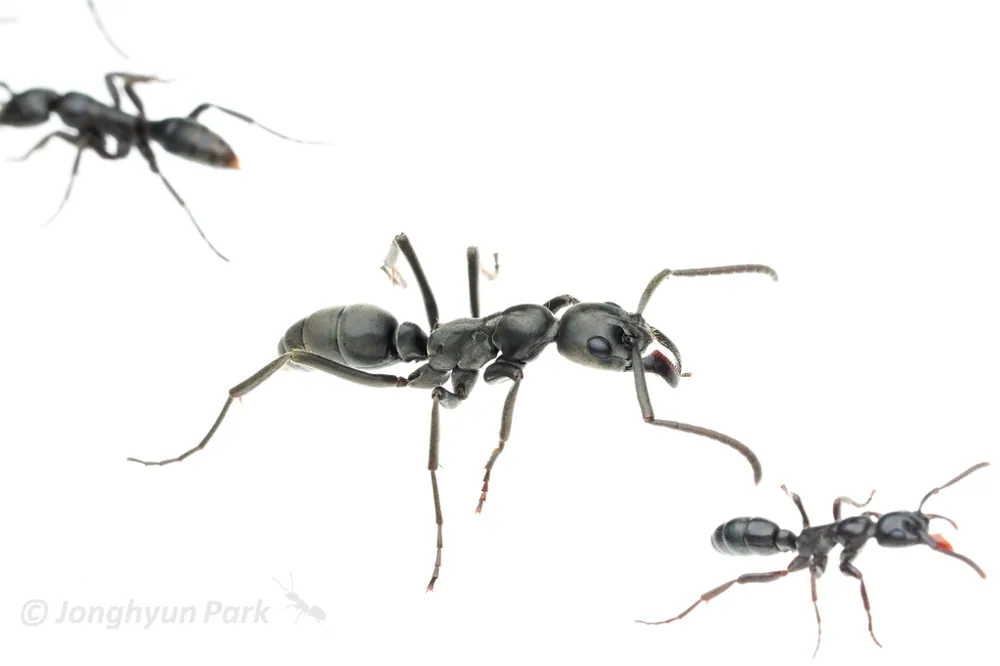
 Bí o ṣe lè dá a mọ̀
- Worker ants are 5 to 18 millimetres long, and some individuals reach up to 25 millimetres.1
- Larger workers make up to half of the colony.1
- Minor workers have less hair and smoother jaws (mandibles) than major workers.1
- They move in a column-like line when raiding termite sites.1
- Their glands release chemicals that smell like human faeces.1
Agbára oró
Oró ń jáde láti inú ohun ìtani.
Báwo ló ṣe léwu tó fún ènìyàn?
Ewu fún ènìyàn: Ó ń dunniÓ lè dunni gan-an, ṣùgbọ́n kì í fẹ́rẹ̀ẹ́ le rárá.Kí ni ó máa ń ṣe nígbà tí ẹ̀rù bá bà á?
When attacked by driver ants outside the nest, they check each other's legs and antennae and remove any enemy ants clinging to them.1
 Bí ó bá ta ni
- Fọ ibi tí ó ti ta ni, kí o sì tù ú.
- Bí ẹni náà bá ń mí pẹ̀lú ìṣòro, tí ojú tàbí ọ̀fun rẹ̀ wú, tàbí tí ó ń fẹ́ dákú, pàjáwìrì àléjì ni: pe nọ́ńbà pàjáwìrì rẹ.
Máa kọ́kọ́ pe nọ́ńbà pàjáwìrì rẹ nígbà gbogbo (112, 000, 911). Èyí jẹ́ ìtọ́sọ́nà ìtọ́jú àkọ́kọ́ gbogbogbò, kì í ṣe ìmọ̀ràn ìṣègùn. Ìpìlẹ̀ ìtọ́jú àkọ́kọ́
 Wà láìléwu
- Má ṣe fọwọ́ kan, mú tàbí yọ ẹranko igbó lẹ́nu láéláé, kódà bí ó bá kéré, kódà bí ó bá dà bí ẹni pé ó ń sùn tàbí ó ti kú.
- Fún un ní àyè. Bí o bá pàdé ọ̀kan, farabalẹ̀, sẹ́yìn díẹ̀díẹ̀ kí o sì jẹ́ kí ó máa bá ọ̀nà rẹ̀ lọ.
- Bí ọ̀kan bá ta ọ́: farabalẹ̀, má ṣe mira, pe nọ́ńbà pàjáwìrì rẹ (112, 000, 911) tàbí lọ sí ilé ìwòsàn kíákíá. Rántí bí ó ṣe rí, fọ́tò máa ń ṣèrànwọ́.
Kò wá ọ kiri láti ṣe ọ́ léṣe. Ó ń lo oró rẹ̀ láti mú oúnjẹ tàbí láti dáàbò bo ara rẹ̀, ó sì fẹ́ràn láti farapamọ́ jù. Sí i nípa wíwà láìléwu
Báwo ló ṣe tóbi tó?
Báwo ló ṣe gùn tó?
 ó gùn tó pínì ìwé (paper clip)
Báwo ni Matabele ant ṣe tóbi tó tí a bá fi wé ÌWỌ?
Ìṣirò nìkan nínú bráwúsà rẹ. A kò fi ohunkóhun pamọ́, a kò sì fi ránṣẹ́ sí ibikíbi.
Báwo ló ṣe yára tó?


Òtítọ́
They are the first recorded non-human species to treat the wounds of other individuals consistently, by licking them for several minutes.1
Injured ants send out a chemical call for help, and nestmates carry them back to the nest. This reduces the mortality rate of injured ants from 32% to close to zero.1
Injured ants that have lost one or two legs adapt to walking on four or five legs and can reach running speeds similar to healthy ants.1
Some individuals reach up to 25 millimetres, which makes this one of the world's largest ants.1
Frogs of the species Phrynomantis microps are sometimes found in their nests, and these frogs produce a skin secretion that calms the ants' aggression.1
Scout ants lead raids from the front and lay pheromone trails, so the other ants can find their way back to the nest.1
Fún àwọn amòye oró
- Orúkọ sáyẹ́ǹsì
- Megaponera analis
- Ẹgbẹ́
- Èèrà
- Ìdílé
- Formicidae2
- Ètò
- Hymenoptera
- Àwọn kọ́ńtínẹ́ńtì
- Áfíríkà
- Àwọn ọmọ
- The nest chamber holds the eggs, larvae, cocoons and the queen. New colonies are thought to form when a new queen leaves with some workers from an established colony.1
- Ewu fún ènìyàn
- 2 / 5: Ó ń dunni3
Ibi tí àwọn òtítọ́ ti wá
- Megaponera (Wikipedia (CC BY-SA 4.0))
- Megaponera analis (iNaturalist): orúkọ àti ìpínsísọ̀rí.
- Venom Wiki: ìpele ewu, ìtóbi déédé àti àfojúbù ìyára jẹ́ tiwa. Wo bí a ṣe ń ṣírò wọn: Bí a ṣe ń díwọ̀n ewu.
Gbogbo òtítọ́ ojú-ìwé yìí ní nọ́ńbà tó tọ́ka sí orísun rẹ̀. Bí a bá ṣe àṣìṣe, má bínú, olólùfẹ́ ẹranko ni wá, kì í ṣe ìwé ìròyìn sáyẹ́ǹsì. Sọ fún wa ní [email protected] a ó sì tún un ṣe.
 Ebi ń pa àkekèé! Iṣẹ́ akanṣe ẹnì kan ṣoṣo ni Venom Wiki: ọ̀fẹ́ ni, kò sí ìpolówó, kò sì sí olùtọpinpin. Ẹ̀bùn kékeré ń ràn án lọ́wọ́ láti wà lórí íńtánẹ́ẹ̀tì.Bọ́ àkekèé
 Siafu driver ant
 African stink ant
 Samsum ant
 Bullet ant
 Red imported fire ant
 Bulldog ant
 Black mamba
 Deathstalker
 Egyptian cobra
 Puff adder
 Boomslang
 Fat-tailed scorpion