
 Áfíríkà
 Éṣíà
Éṣíà Yúróòpù
 Gúúsù Amẹ́ríkà
 Ọsirélíà àti Òṣéáníà
 Antáktíkà
 Òkun Pàsífíìkì
 Òkun Àtìláńtíìkì
 Òkun Íńdíà
 Òkun Áktíkì
 Òkun Mẹditaréníà
 Òkun Pupa
 Òkun Káríbíànù
 Òkun Coral
 Òkun Gúúsù Ṣáínà
 Òkun Fílípínì
 Òkun Andaman
 Òkun Àríwá
 Òkun Tímọ̀ àti Òkun Àráfúrà
 Ìyawọlẹ̀ Òkun Bẹ̀ngál
 Ìyawọlẹ̀ Òkun Kalifọ́níà
Tiger rattlesnake
 Ìbùjẹ
ÌbùjẹThe tiger rattlesnake is a small rattlesnake with a very venomous bite. It lives in the deserts and rocky hills of the southwestern United States and northwestern Mexico. Its venom is among the most toxic of any rattlesnake, so it is important to recognise it and give the right first aid after a bite.1



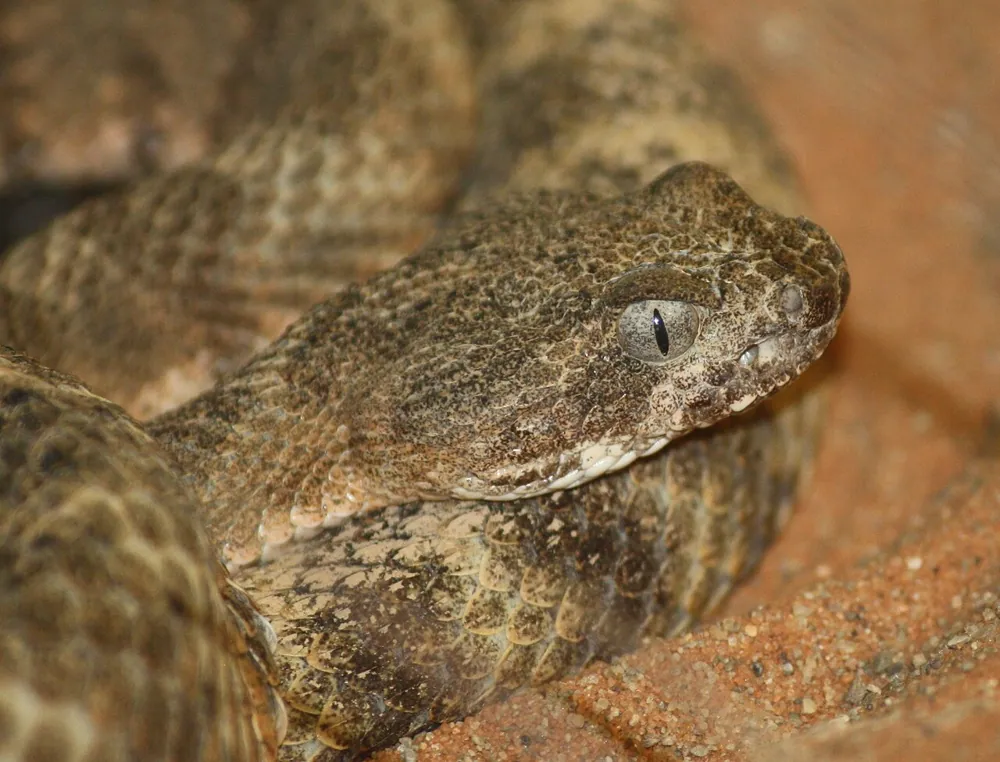
 Bí o ṣe lè dá a mọ̀
- It has a small, spade-shaped head. It is the smallest head of any rattlesnake, and it is about 1/25 of its total body length.1
- It has 35 to 52 narrow gray, olive or brown crossbands along the back. These are the only crossbands on the front part of a rattlesnake's body, and they can look like vertical stripes from the side.1
- The ground colour is gray, lavender, blue-gray, pink or buff, and it often turns pink, pale orange or cream on the sides.1
- A dark cheek strip is the most distinct mark on the head.1
- It has a large rattle.1
Agbára oró
Oró ń jáde láti inú eyín oró tàbí eyín rẹ̀ nígbà tí ó bá bùjẹ.
Kí ni oró rẹ̀ máa ń ṣe?
Its venom contains a myotoxin, which damages muscle tissue and can cause muscle necrosis (death of muscle cells). It also contains a neurotoxin, which attacks the nerves and is similar to Mojave toxin. In recorded human bites, there was little local pain or swelling, and no significant whole-body (systemic) symptoms.1
Báwo ló ṣe léwu tó fún ènìyàn?
Ewu fún ènìyàn: Ó le gan-anÌbùjẹ nílò dókítà. Ikú kò wọ́pọ̀ rárá.Human bites by this snake are infrequent, and few cases have been recorded. Its venom is very toxic, but its low venom yield and short fangs probably prevent severe envenoming in adults. The clinical picture could be much more serious for children or for people of slight build.1
 Ìròyìn ayọ̀: àwọn dókítà ní oògùn (antivenom) tàbí ìtọ́jú fún èyí.1
Kí ni ó máa ń ṣe nígbà tí ẹ̀rù bá bà á?
If disturbed, it rapidly shakes its rattle and may strike in defence, and it has an irascible (easily angered) temperament.1
 Bí ó bá bùjẹ
- Early use of antivenom is important if significant envenoming is suspected. Get medical help straight away after any bite, even if the bite seems mild.1
- Jẹ́ kí ẹni náà wà láìmira kí ó sì farabalẹ̀, jẹ́ kí apá tàbí ẹsẹ̀ tí ó bù jẹ wà ní ìpele ọkàn, yọ òrùka àti àwọn nǹkan tó há, kí ẹ sì lọ sí ilé ìwòsàn kíákíá.
Máa kọ́kọ́ pe nọ́ńbà pàjáwìrì rẹ nígbà gbogbo (112, 000, 911). Èyí jẹ́ ìtọ́sọ́nà ìtọ́jú àkọ́kọ́ gbogbogbò, kì í ṣe ìmọ̀ràn ìṣègùn. Ìpìlẹ̀ ìtọ́jú àkọ́kọ́
 Wà láìléwu
- Má ṣe fọwọ́ kan, mú tàbí yọ ẹranko igbó lẹ́nu láéláé, kódà bí ó bá kéré, kódà bí ó bá dà bí ẹni pé ó ń sùn tàbí ó ti kú.
- Fún un ní àyè. Bí o bá pàdé ọ̀kan, farabalẹ̀, sẹ́yìn díẹ̀díẹ̀ kí o sì jẹ́ kí ó máa bá ọ̀nà rẹ̀ lọ.
- Bí ọ̀kan bá bù ọ́ jẹ: farabalẹ̀, má ṣe mira, pe nọ́ńbà pàjáwìrì rẹ (112, 000, 911) tàbí lọ sí ilé ìwòsàn kíákíá. Rántí bí ó ṣe rí, fọ́tò máa ń ṣèrànwọ́.
Kò wá ọ kiri láti ṣe ọ́ léṣe. Ó ń lo oró rẹ̀ láti mú oúnjẹ tàbí láti dáàbò bo ara rẹ̀, ó sì fẹ́ràn láti farapamọ́ jù. Sí i nípa wíwà láìléwu
Báwo ló ṣe tóbi tó?
Báwo ló ṣe gùn tó?
Báwo ló ṣe wúwo tó?
 ó gùn tó ológbò ilé 2 láti imú dé ìrù
 ó gùn tó ọ̀gẹ̀dẹ̀ 5 tí a tò tẹ̀léra
 lè sáré mítà 100 ní ìṣẹ́jú-àáyá 100 (ènìyàn tó yára jùlọ nílò 9.6)
Báwo ni Tiger rattlesnake ṣe tóbi tó tí a bá fi wé ÌWỌ?
Ìṣirò nìkan nínú bráwúsà rẹ. A kò fi ohunkóhun pamọ́, a kò sì fi ránṣẹ́ sí ibikíbi.
Báwo ló ṣe yára tó?


Òtítọ́
Its venom yield is small, but its toxicity is considered second highest of all rattlesnake venoms, after the Mojave rattlesnake.1
It has the smallest head of any rattlesnake, which helps it reach into small crevices to pull out prey that has crawled into them.1
Although it is a ground-dweller, it swims readily and has been found in bushes about 60 cm above the ground.1
Rattlesnake venom is used in biomedical research into neurological diseases.1
It is nocturnal during the hot summer, but becomes active during the day and at dusk in the autumn.1
Olùfọ́ àròsọ
Àròsọ: Its small head and short fangs mean its bite is harmless.
Òtítọ́: Its venom is very toxic. Its small size and low venom yield probably prevent severe harm in adults, but children and slightly built people could be seriously affected.1
Fún àwọn amòye oró
- Orúkọ sáyẹ́ǹsì
- Crotalus tigris
- Ẹgbẹ́
- Rattlesnake
- Ìdílé
- Viperidae2
- Ètò
- Squamata
- Àwọn kọ́ńtínẹ́ńtì
- Àríwá Amẹ́ríkà
- Àwọn ọmọ
- It gives birth to live young, with an average litter of five. The young develop inside eggs in a thin sac in the mother's body, and they are well developed at birth.1
- Bí ó ṣe ń ṣe nínú igbó
- Least Concern1
- Ewu fún ènìyàn
- 3 / 5: Ó le gan-an3
Ibi tí àwọn òtítọ́ ti wá
- Tiger rattlesnake (Wikipedia (CC BY-SA 4.0))
- Crotalus tigris (iNaturalist): orúkọ àti ìpínsísọ̀rí.
- Venom Wiki: ìpele ewu, ìtóbi déédé àti àfojúbù ìyára jẹ́ tiwa. Wo bí a ṣe ń ṣírò wọn: Bí a ṣe ń díwọ̀n ewu.
Gbogbo òtítọ́ ojú-ìwé yìí ní nọ́ńbà tó tọ́ka sí orísun rẹ̀. Bí a bá ṣe àṣìṣe, má bínú, olólùfẹ́ ẹranko ni wá, kì í ṣe ìwé ìròyìn sáyẹ́ǹsì. Sọ fún wa ní [email protected] a ó sì tún un ṣe.
 Ebi ń pa àkekèé! Iṣẹ́ akanṣe ẹnì kan ṣoṣo ni Venom Wiki: ọ̀fẹ́ ni, kò sí ìpolówó, kò sì sí olùtọpinpin. Ẹ̀bùn kékeré ń ràn án lọ́wọ́ láti wà lórí íńtánẹ́ẹ̀tì.Bọ́ àkekèé
 Eastern diamondback rattlesnake
 Timber rattlesnake
 Western diamondback rattlesnake
 Sidewinder
 Mojave rattlesnake
 Aruba rattlesnake
 Terciopelo
 Eastern coral snake
 Eyelash viper
 Arizona bark scorpion
 Brown recluse
 Cane toad