
 Áfíríkà
 Éṣíà
Éṣíà Yúróòpù
 Gúúsù Amẹ́ríkà
 Ọsirélíà àti Òṣéáníà
 Antáktíkà
 Òkun Pàsífíìkì
 Òkun Àtìláńtíìkì
 Òkun Íńdíà
 Òkun Áktíkì
 Òkun Mẹditaréníà
 Òkun Pupa
 Òkun Káríbíànù
 Òkun Coral
 Òkun Gúúsù Ṣáínà
 Òkun Fílípínì
 Òkun Andaman
 Òkun Àríwá
 Òkun Tímọ̀ àti Òkun Àráfúrà
 Ìyawọlẹ̀ Òkun Bẹ̀ngál
 Ìyawọlẹ̀ Òkun Kalifọ́níà
Sidewinder
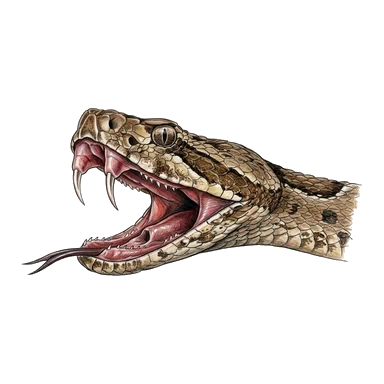 Ìbùjẹ
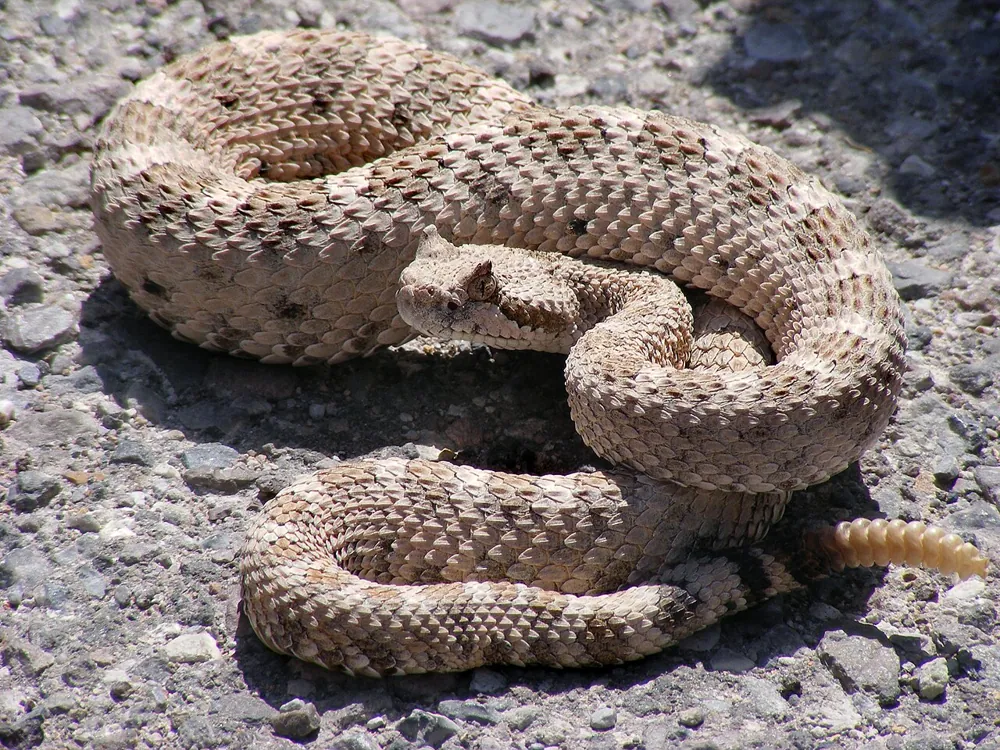
ÌbùjẹThe sidewinder is a small rattlesnake that lives in the deserts of the south-western United States and north-western Mexico. It gets its name from the unusual sideways way it moves over loose sand. It is venomous, but its venom is weaker than that of many other rattlesnakes.1
 Bí o ṣe lè dá a mọ̀
- Small, measuring 43 to 80 cm in total length including the tail.1
- Raised scales above the eyes give it horns.1
- The ground colour may be cream, buff, yellowish-brown, pink or ash grey, with 28 to 47 darker blotches along the back.1
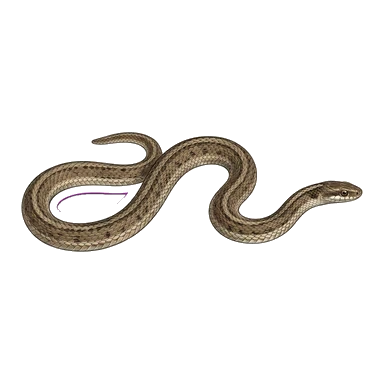
- It moves with a sidewinding motion, leaving a J-shaped track in the sand with the tip of the hook pointing in the direction of travel.1
- Females are larger than males, which is unusual among United States rattlesnakes.1
Agbára oró
Oró ń jáde láti inú eyín oró tàbí eyín rẹ̀ nígbà tí ó bá bùjẹ.
Kí ni oró rẹ̀ máa ń ṣe?
The venom causes pain, swelling and bruising, and can create bleeding blisters. Symptoms can include nausea, dizziness, chills, blood clotting disorders and shock. In one recorded case, a bitten man's whole arm was badly swollen and very painful within about 2.5 hours.1
Báwo ló ṣe léwu tó fún ènìyàn?
Ewu fún ènìyàn: Ó le gan-anÌbùjẹ nílò dókítà. Ikú kò wọ́pọ̀ rárá.Its venom is weaker than that of many other rattlesnakes, and its venom glands are smaller, so it is less dangerous than its larger relatives. Any rattlesnake bite can still be fatal and should be taken seriously.1
 Ìròyìn ayọ̀: àwọn dókítà ní oògùn (antivenom) tàbí ìtọ́jú fún èyí.1
 Bí ó bá bùjẹ
- Seek medical attention immediately after any rattlesnake bite. Consult a local expert or regional poison control centre before giving antivenom.1
- Jẹ́ kí ẹni náà wà láìmira kí ó sì farabalẹ̀, jẹ́ kí apá tàbí ẹsẹ̀ tí ó bù jẹ wà ní ìpele ọkàn, yọ òrùka àti àwọn nǹkan tó há, kí ẹ sì lọ sí ilé ìwòsàn kíákíá.
Máa kọ́kọ́ pe nọ́ńbà pàjáwìrì rẹ nígbà gbogbo (112, 000, 911). Èyí jẹ́ ìtọ́sọ́nà ìtọ́jú àkọ́kọ́ gbogbogbò, kì í ṣe ìmọ̀ràn ìṣègùn. Ìpìlẹ̀ ìtọ́jú àkọ́kọ́
 Wà láìléwu
- Má ṣe fọwọ́ kan, mú tàbí yọ ẹranko igbó lẹ́nu láéláé, kódà bí ó bá kéré, kódà bí ó bá dà bí ẹni pé ó ń sùn tàbí ó ti kú.
- Fún un ní àyè. Bí o bá pàdé ọ̀kan, farabalẹ̀, sẹ́yìn díẹ̀díẹ̀ kí o sì jẹ́ kí ó máa bá ọ̀nà rẹ̀ lọ.
- Bí ọ̀kan bá bù ọ́ jẹ: farabalẹ̀, má ṣe mira, pe nọ́ńbà pàjáwìrì rẹ (112, 000, 911) tàbí lọ sí ilé ìwòsàn kíákíá. Rántí bí ó ṣe rí, fọ́tò máa ń ṣèrànwọ́.
Kò wá ọ kiri láti ṣe ọ́ léṣe. Ó ń lo oró rẹ̀ láti mú oúnjẹ tàbí láti dáàbò bo ara rẹ̀, ó sì fẹ́ràn láti farapamọ́ jù. Sí i nípa wíwà láìléwu
Báwo ló ṣe tóbi tó?
Báwo ló ṣe gùn tó?
 ó gùn tó ológbò ilé 1.5 láti imú dé ìrù
 ó gùn tó ọ̀gẹ̀dẹ̀ 4 tí a tò tẹ̀léra
 lè sáré mítà 100 ní ìṣẹ́jú-àáyá 12 (ènìyàn tó yára jùlọ nílò 9.6)
Báwo ni Sidewinder ṣe tóbi tó tí a bá fi wé ÌWỌ?
Ìṣirò nìkan nínú bráwúsà rẹ. A kò fi ohunkóhun pamọ́, a kò sì fi ránṣẹ́ sí ibikíbi.
Báwo ló ṣe yára tó?

Òtítọ́
The AIM-9 Sidewinder missile was named after this snake, because both use infrared signals to track their targets.1
Juveniles and adults use different hunting methods. Juveniles lure lizards with fast tail movements that look like a moth or slower ones that look like a caterpillar.1
The raised scales above its eyes may shade the eyes or stop sand drifting over them. When the snake strikes against a burrow roof, pressure on these horns folds them down, which is thought to protect the eyes.1
Newborn sidewinders huddle together in a burrow for their first week or so, plugging the entrance during the day. Their combined body heat keeps the group at an average of about 32 °C, which is warm enough for shedding.1
Sidewinding is also used by other desert snakes, such as the horned adder and Peringuey's adder, and by robots that copy this movement.1
Fún àwọn amòye oró
Ibi tí àwọn òtítọ́ ti wá
- Crotalus cerastes (Wikipedia (CC BY-SA 4.0))
- Crotalus cerastes (iNaturalist): orúkọ àti ìpínsísọ̀rí.
- Venom Wiki: ìpele ewu, ìtóbi déédé àti àfojúbù ìyára jẹ́ tiwa. Wo bí a ṣe ń ṣírò wọn: Bí a ṣe ń díwọ̀n ewu.
Gbogbo òtítọ́ ojú-ìwé yìí ní nọ́ńbà tó tọ́ka sí orísun rẹ̀. Bí a bá ṣe àṣìṣe, má bínú, olólùfẹ́ ẹranko ni wá, kì í ṣe ìwé ìròyìn sáyẹ́ǹsì. Sọ fún wa ní [email protected] a ó sì tún un ṣe.
 Ebi ń pa àkekèé! Iṣẹ́ akanṣe ẹnì kan ṣoṣo ni Venom Wiki: ọ̀fẹ́ ni, kò sí ìpolówó, kò sì sí olùtọpinpin. Ẹ̀bùn kékeré ń ràn án lọ́wọ́ láti wà lórí íńtánẹ́ẹ̀tì.Bọ́ àkekèé
 Eastern diamondback rattlesnake
 Timber rattlesnake
 Western diamondback rattlesnake
 Mojave rattlesnake
 Aruba rattlesnake
 Black-tailed rattlesnake
 Terciopelo
 Eastern coral snake
 Eyelash viper
 Arizona bark scorpion
 Brown recluse
 Cane toad