
 Áfíríkà
 Éṣíà
Éṣíà Yúróòpù
 Gúúsù Amẹ́ríkà
 Ọsirélíà àti Òṣéáníà
 Antáktíkà
 Òkun Pàsífíìkì
 Òkun Àtìláńtíìkì
 Òkun Íńdíà
 Òkun Áktíkì
 Òkun Mẹditaréníà
 Òkun Pupa
 Òkun Káríbíànù
 Òkun Coral
 Òkun Gúúsù Ṣáínà
 Òkun Fílípínì
 Òkun Andaman
 Òkun Àríwá
 Òkun Tímọ̀ àti Òkun Àráfúrà
 Ìyawọlẹ̀ Òkun Bẹ̀ngál
 Ìyawọlẹ̀ Òkun Kalifọ́níà
Variable bush viper
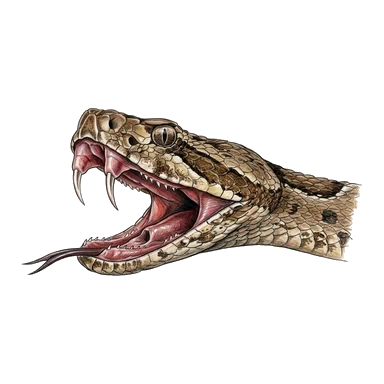 Ìbùjẹ
ÌbùjẹThe variable bush viper is a venomous snake that lives in the rainforests of west and central Africa. It is a tree-dwelling viper that blends in well with the leaves of the bushes it hunts in. Its bite can cause serious harm, so it is important to recognise it.1
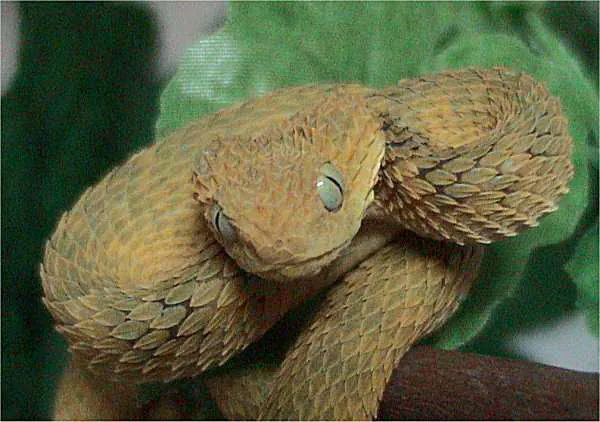
 Bí o ṣe lè dá a mọ̀
- Usually green, but the colour varies from sage or light green to dark green, bluish, olive or dark olive brown.1
- Rare individuals may be yellow, reddish or slate grey.1
- Light-coloured crossbands or chevrons (V-shaped marks) run along the body, usually 30 or more.1
- The tail has a clear ivory white tip.1
Agbára oró
Oró ń jáde láti inú eyín oró tàbí eyín rẹ̀ nígbà tí ó bá bùjẹ.
Kí ni oró rẹ̀ máa ń ṣe?
It has hemotoxic venom, which affects the blood. It is injected through two hollow fangs at the front of the mouth. Bites have caused at least one case of severe haematological (blood) complications. The venom is used to make prey defenceless.1
Báwo ló ṣe léwu tó fún ènìyàn?
Ewu fún ènìyàn: Ó le gan-anÌbùjẹ nílò dókítà. Ikú kò wọ́pọ̀ rárá.Bites have caused at least one case of severe blood complications and two deaths. No specific antivenom is made for this genus, though antivenom for the genus Echis has been shown to be partly effective against its venom.1
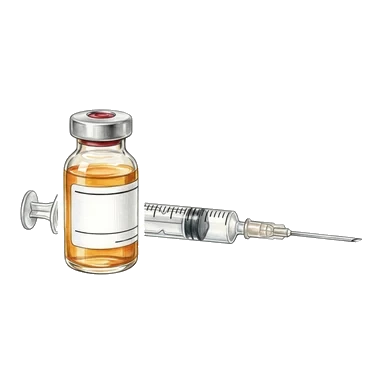 Ìròyìn ayọ̀: àwọn dókítà ní oògùn (antivenom) tàbí ìtọ́jú fún èyí.1
 Bí ó bá bùjẹ
- Jẹ́ kí ẹni náà wà láìmira kí ó sì farabalẹ̀, jẹ́ kí apá tàbí ẹsẹ̀ tí ó bù jẹ wà ní ìpele ọkàn, yọ òrùka àti àwọn nǹkan tó há, kí ẹ sì lọ sí ilé ìwòsàn kíákíá.
Máa kọ́kọ́ pe nọ́ńbà pàjáwìrì rẹ nígbà gbogbo (112, 000, 911). Èyí jẹ́ ìtọ́sọ́nà ìtọ́jú àkọ́kọ́ gbogbogbò, kì í ṣe ìmọ̀ràn ìṣègùn. Ìpìlẹ̀ ìtọ́jú àkọ́kọ́
 Wà láìléwu
- Má ṣe fọwọ́ kan, mú tàbí yọ ẹranko igbó lẹ́nu láéláé, kódà bí ó bá kéré, kódà bí ó bá dà bí ẹni pé ó ń sùn tàbí ó ti kú.
- Fún un ní àyè. Bí o bá pàdé ọ̀kan, farabalẹ̀, sẹ́yìn díẹ̀díẹ̀ kí o sì jẹ́ kí ó máa bá ọ̀nà rẹ̀ lọ.
- Bí ọ̀kan bá bù ọ́ jẹ: farabalẹ̀, má ṣe mira, pe nọ́ńbà pàjáwìrì rẹ (112, 000, 911) tàbí lọ sí ilé ìwòsàn kíákíá. Rántí bí ó ṣe rí, fọ́tò máa ń ṣèrànwọ́.
Kò wá ọ kiri láti ṣe ọ́ léṣe. Ó ń lo oró rẹ̀ láti mú oúnjẹ tàbí láti dáàbò bo ara rẹ̀, ó sì fẹ́ràn láti farapamọ́ jù. Sí i nípa wíwà láìléwu
Báwo ló ṣe tóbi tó?
Báwo ló ṣe gùn tó?
 ó gùn tó ọ̀gẹ̀dẹ̀ 4 tí a tò tẹ̀léra
 lè sáré mítà 100 ní ìṣẹ́jú-àáyá 110 (ènìyàn tó yára jùlọ nílò 9.6)
Báwo ni Variable bush viper ṣe tóbi tó tí a bá fi wé ÌWỌ?
Ìṣirò nìkan nínú bráwúsà rẹ. A kò fi ohunkóhun pamọ́, a kò sì fi ránṣẹ́ sí ibikíbi.
Báwo ló ṣe yára tó?


Òtítọ́
Newborn snakes are already venomous and fully independent, so their mother leaves them as soon as they are born.1
Young snakes have a dark olive colour with wavy bars. Their adult colours develop within 3 to 4 months.1
Breeding in captivity needs very high humidity.1
Captive keepers and breeders often call it simply a "Squam".1
It is the most widely distributed species in its genus, Atheris.1
Fún àwọn amòye oró
- Orúkọ sáyẹ́ǹsì
- Atheris squamigera
- Ẹgbẹ́
- Viper àti paramọ́lẹ̀
- Ìdílé
- Viperidae2
- Ètò
- Squamata
- Àwọn kọ́ńtínẹ́ńtì
- Áfíríkà
- Àwọn ọmọ
- It gives birth to live young. A single litter can have up to 19 young, though the average is 7 to 9. The young are venomous at birth and are left by their mother straight away.1
- Ewu fún ènìyàn
- 3 / 5: Ó le gan-an3
Ibi tí àwọn òtítọ́ ti wá
- Atheris squamigera (Wikipedia (CC BY-SA 4.0))
- Atheris squamigera (iNaturalist): orúkọ àti ìpínsísọ̀rí.
- Venom Wiki: ìpele ewu, ìtóbi déédé àti àfojúbù ìyára jẹ́ tiwa. Wo bí a ṣe ń ṣírò wọn: Bí a ṣe ń díwọ̀n ewu.
Gbogbo òtítọ́ ojú-ìwé yìí ní nọ́ńbà tó tọ́ka sí orísun rẹ̀. Bí a bá ṣe àṣìṣe, má bínú, olólùfẹ́ ẹranko ni wá, kì í ṣe ìwé ìròyìn sáyẹ́ǹsì. Sọ fún wa ní [email protected] a ó sì tún un ṣe.
 Ebi ń pa àkekèé! Iṣẹ́ akanṣe ẹnì kan ṣoṣo ni Venom Wiki: ọ̀fẹ́ ni, kò sí ìpolówó, kò sì sí olùtọpinpin. Ẹ̀bùn kékeré ń ràn án lọ́wọ́ láti wà lórí íńtánẹ́ẹ̀tì.Bọ́ àkekèé
 Puff adder
 Gaboon viper
 Northeast African carpet viper
 West African carpet viper
 Rhinoceros viper
 West African Gaboon viper
 Black mamba
 Deathstalker
 Egyptian cobra
 Boomslang
 Fat-tailed scorpion
 Western honey bee