
 非洲
非洲 亚洲
亚洲 欧洲
欧洲 南美洲
南美洲 澳大利亚和大洋洲
 南极洲
南极洲 太平洋
太平洋 大西洋
大西洋 印度洋
印度洋 北冰洋
北冰洋 地中海
地中海 红海
红海 加勒比海
加勒比海 珊瑚海
珊瑚海 南海
南海 菲律宾海
菲律宾海 安达曼海
安达曼海 北海
北海 帝汶海和阿拉弗拉海
 孟加拉湾
孟加拉湾 加利福尼亚湾
Bluebottle
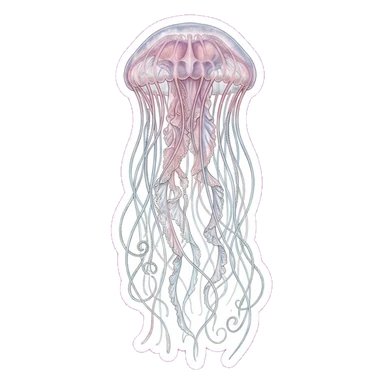 会蜇人的触手
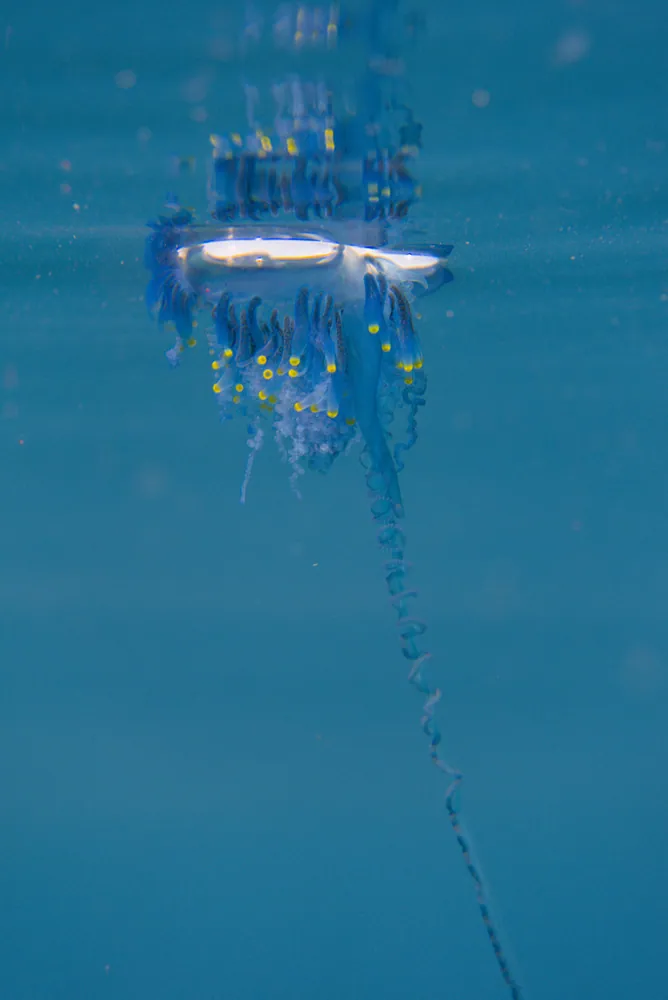
The bluebottle is a floating sea creature that looks like a jellyfish, but it is actually a colony of many linked animals that work together. It drifts on the surface of warm oceans and often washes up on beaches in large numbers. Its long tentacle can cause painful stings, so it is important to know what it looks like.1
 怎样认出它
怎样认出它
- A gas-filled float that sits on the surface, with a sail on top of it1
- A single long tentacle hanging below the float1
- A float about 16 cm across, smaller than the Atlantic Portuguese man o' war, whose float is about 30 cm1
- Often found in large groups called swarms1
- Often washed up in large numbers on beaches after strong winds1
常被误认为: The Atlantic Portuguese man o' war (Physalia physalis) is closely related and looks similar. It has a larger float, about 30 cm across, while the bluebottle's float is about 16 cm. The bluebottle has a single long fishing tentacle.1
毒液之力
一碰到东西,成千上万个小刺细胞就会发射。
它的毒液会造成什么?
Its tentacle is covered in venomous cells called cnidocytes, which fire stinging threads called nematocysts. These toxic stinging cells cause painful injuries when they touch human skin. The stings can cause painful injuries at the beach.1
它对人有多危险?
对人的危险: 很疼可能真的很疼,但几乎从不严重。On Australia's east coast, 10,000 to 30,000 stings per year from animals of the genus Physalia are reported, and most incidents happen on the eastern coast. No deaths have been recorded from stings by this species. The Atlantic Portuguese man o' war has caused at least three deaths.1
 如果它蜇人
如果它蜇人
- 离开水面,取下所有触手(戴手套或用布)。
- 热带箱水母:在蜇伤处倒醋至少 30 秒,呼救,并准备好做心肺复苏。僧帽水母和大多数其他水母:先用海水冲洗,再用热水止痛。
一定先拨打你的急救电话(112、000、911)。这里是一般急救指导,不是医疗建议。 急救基础
 注意安全
注意安全
- 永远不要摸、抓或逗弄野生动物,即使是很小的,即使它看起来在睡觉或已经死了。
- 给它留出空间。如果遇到它,保持冷静,慢慢后退,让它走自己的路。
- 如果被它蜇了:保持冷静,保持不动,拨打你的急救电话(112、000、911)或尽快去医院。记住它长什么样,拍张照片会有帮助。
它不是冲着你来的。它用毒液捕猎或保护自己,而且它更愿意躲起来。 更多安全知识
它有多大?
它有多长?
 和 2 块玩具积木排成一排一样长
 180 秒就能游完一个大泳池(50 米)
Bluebottle和你比起来有多大?
只是在你的浏览器里算一算。什么都不会被保存或发送到任何地方。
它有多快?

事实
It is not a single animal. It is a colony of four separate types of polyps and medusoids that work together.1
Its stinging cells can remain harmful on beaches for weeks or months if the sand stays moist.1
It moves across the sea using the wind, currents and tides, helped by the sail on top of its float.1
事实的来源
- Physalia utriculus (Wikipedia (CC BY-SA 4.0))
- Physalia utriculus (iNaturalist): 名称和分类。
- Venom Wiki: 危险等级、典型大小和速度估计都是我们自己给出的。看看我们是怎么算的: 我们如何评定危险.
本页的每个事实都有一个编号,指向它的来源。如果我们写错了,抱歉,我们是动物爱好者,不是科学期刊。请写信到 [email protected] 告诉我们,我们会改正。
 蝎子饿了! Venom Wiki 是一个人的项目:免费、没有广告、没有追踪器。一点小小的打赏能帮它继续在线。喂蝎子
 Australian box jellyfish
 Irukandji jellyfish
 Portuguese man o' war
 Lion's mane jellyfish
 Moon jellyfish
 Common kingslayer
 Geography cone
 Greater blue-ringed octopus
 Japanese pufferfish
 Southern blue-ringed octopus
 Hawksbill sea turtle
 Reef stonefish