
 I-Afrika
 I-Asia
 I-Yurophu
 INingizimu Melika
 I-Australia ne-Oceania
 I-Antarctica
 ULwandlekazi iPacific
 ULwandlekazi i-Atlantic
 ULwandlekazi i-India
 ULwandlekazi i-Arctic
 Ulwandle iMediterranean
 Ulwandle Olubomvu
 Ulwandle iCaribbean
 Ulwandle iCoral
 Ulwandle lwaseNingizimu China
 Ulwandle lwasePhilippines
 Ulwandle i-Andaman
 Ulwandle i-North Sea
 Ulwandle lwaseTimor ne-Arafura
 Ichweba laseBengal
 Ichweba laseCalifornia
Mottled spinefoot
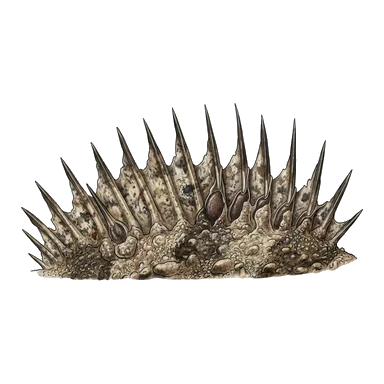 Ameva anobuthi
The mottled spinefoot is a marine fish that lives in warm coastal waters of the Western Pacific and eastern Indian Oceans. It has venomous spines on its fins, so it is best to leave it alone in the water. It is also an important food fish in many places.1
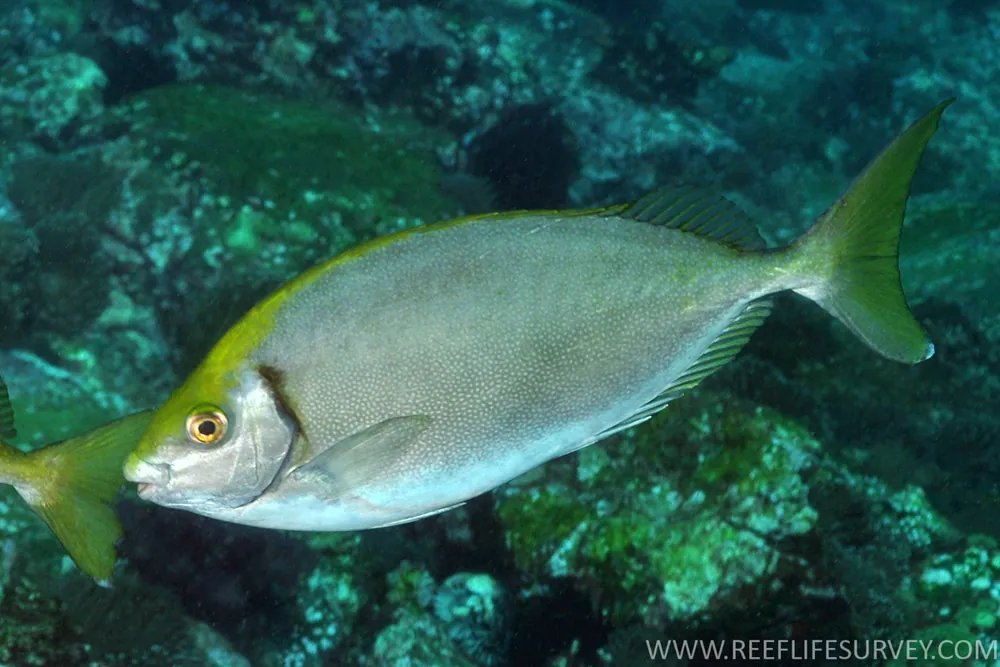

 Indlela yokusibona
- Moderately slender, flattened body1
- Overall colour greenish-grey to brown, fading to silvery on the lower body1
- Many small light-bluish spots on the flanks1
- A slender brown bar along the upper edge of the gill cover1
- Adults show a mottled pattern when asleep or threatened1
Ivamise ukudidaniswa ne: It is very similar in appearance to the white-spotted spinefoot (Siganus canaliculatus), and the two are sometimes confused. They often live in the same areas.1
Amandla obuthi
Ameva abukhali aphethe ubuthi. Ukusinyathela noma ukusibamba kubuhlungu.
Ubuthi baso benzani?
It has venomous spines in its dorsal and pelvic fins. The venom is similar to that of stonefishes. It can cause sharp pain, bleeding and numbness at the puncture site.1
Siyingozi kangakanani ebantwini?
Ingozi ebantwini: KubuhlunguKungaba buhlungu ngempela, kodwa cishe akukaze kube kubi kakhulu.The venom is usually non-lethal.1
Senzani uma sesabile?
When threatened, adults adopt a mottled pattern and may use their venomous spines.1
 Uma ameva aso ekugwaza
- Soaking the affected area in water of around 45°C could help eliminate or ease the pain.1
- Faka inxeba emanzini ashisayo, ashisa ngendlela umuntu angakwazi ukuyibekezelela ngaphandle kokusha (yihlole ngesandla sakho), imizuzu engama-30 kuya kwengama-90. Thola usizo lwezokwelapha, ikakhulukazi kuma-stonefish nama-stingray.
Njalo shayela kuqala inombolo yezimo eziphuthumayo (112, 000, 911). Lokhu kuyiseluleko sosizo lokuqala esijwayelekile, akusona iseluleko sezokwelapha. Izisekelo zosizo lokuqala
 Hlala uphephile
- Ungalokothi uthinte, ubambe noma ugcone isilwane sasendle, ngisho noma sincane, futhi ngisho noma sibukeka silele noma sifile.
- Sinike isikhala. Uma uhlangana naso, hlala uzolile, uhlehle kancane bese usiyeka sihambe ngendlela yaso.
- Uma ameva aso ekugwaza: hlala uzolile, ungashukumi, shayela inombolo yezimo eziphuthumayo (112, 000, 911) noma uye esibhedlela ngokushesha. Khumbula ukuthi besibukeka kanjani, isithombe siyasiza.
Asikuzingeli wena. Sisebenzisa ubuthi baso ukuze sibambe ukudla noma ukuzivikela, futhi singancamela ukucasha. Okwengeziwe mayelana nokuhlala uphephile
Kuphi emhlabeni?
Sikhulu kangakanani?
Side kangakanani?
 side njengobhanana abangu-2 abalandelanayo
 side njengezitini zamathoyizi ezingu-12 ezilandelanayo
 singabhukuda ubude bechibi elikhulu lokubhukuda (50 m) ngemizuzwana engu-33
Mottled spinefoot mkhulu kangakanani uma uqhathanisa NAWE?
Yizibalo nje kusiphequluli sakho. Akukho okulondolozwayo noma okuthunyelwa ndawo.
Sishesha kangakanani?
Amaqiniso
Okongoti bobuthi
- Igama lesayensi
- Siganus fuscescens
- Iqembu
- Izinhlanzi ezinobuthi
- Umndeni
- Siganidae2
- Ukuhleleka
- Acanthuriformes
- Amazwekazi
- ULwandlekazi iPacific, Ulwandle lwasePhilippines, Ulwandle iCoral, Ulwandle lwaseTimor ne-Arafura, Izilwandlekazi
- Izinsana
- Each female lays around 300,000 eggs in a single spawning. Spawning happens near the edge of the reef on the 4th or 5th day of a new moon.1
- Ingozi ebantwini
- 2 / 5: Kubuhlungu3
Lapho amaqiniso evela khona
- Siganus fuscescens (Wikipedia (CC BY-SA 4.0))
- Siganus fuscescens (iNaturalist): amagama nokuhlelwa ngezigaba.
- Venom Wiki: izinga lengozi, usayizi ojwayelekile nesiqagela sejubane kungokwethu. Bona ukuthi sikubala kanjani: Indlela esilinganisa ngayo ingozi.
Iqiniso ngalinye kuleli khasi linenombolo ekhomba umthombo walo. Uma senze iphutha, uxolo, singabathandi bezilwane, hhayi iphephabhuku lesayensi. Sitshele ku-[email protected] futhi sizolilungisa.
 Ufezela ulambile! I-Venom Wiki iwumsebenzi womuntu oyedwa: imahhala, ayinazo izikhangiso noma izilandeli. Isipho esincane sisiza ukuyigcina ku-inthanethi.Phakela ufezela
Okunye okuvela eqenjini elifanayo: Izinhlanzi ezinobuthi
 Reef stonefishIzinhlanzi ezinobuthiKungabulalaUngathinti
 Red lionfishIzinhlanzi ezinobuthiKudinga udokotelaUngathinti
 Estuarine stonefishIzinhlanzi ezinobuthiKungabulalaUngathinti
 Short-tail stingrayIzinhlanzi ezinobuthiKungabulala
 Striped eel catfishIzinhlanzi ezinobuthiKungabulalaUngathinti
 Bluespotted ribbontail rayIzinhlanzi ezinobuthiKudinga udokotela
Futhi ihlala: ULwandlekazi iPacific
 Australian box jellyfishAma-jellyfish nezinye izilwane zasolwandle ezihlabayoKuyabulalaUngathinti
 Geography coneIminenke ye-cone nezingwaneKuyabulala
 Greater blue-ringed octopusIminenke ye-cone nezingwaneKuyabulala
 Japanese pufferfishEzinye izilwane ezinoshevuKuyabulala
 Southern blue-ringed octopusIminenke ye-cone nezingwaneKuyabulala
 Hawksbill sea turtleEzinye izilwane ezinoshevuKungabulala