
 Bitten or stung?
 All animals
 Pick a continent
 Africa
 Asia
 Europe
 South America
 Australia & Oceania
 Antarctica
 Pacific Ocean
 Atlantic Ocean
 Indian Ocean
 Arctic Ocean
 Mediterranean Sea
 Red Sea
 Caribbean Sea
 Coral Sea
 South China Sea
 Philippine Sea
 Andaman Sea
 North Sea
 Timor & Arafura Sea
 Bay of Bengal
 Gulf of California
 Games
 Venom battle
 Animal race
 Field notebook
 Venom TOP lists
 Stay safe
 Surprise me

Blackspotted puffer
 If someone ate itDanger to people: Very dangerousIt can kill a person who gets no treatment.
 Poisonous to eat
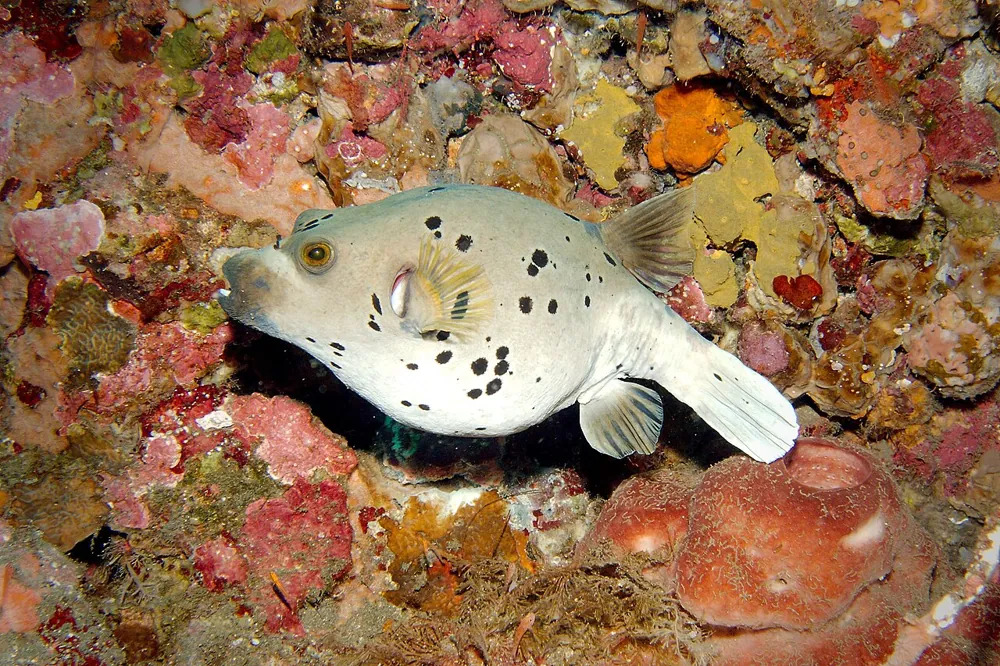
The blackspotted puffer is a small tropical sea fish that lives on coral reefs and in lagoons across the Indian and Pacific Oceans. It is poisonous rather than venomous, so it is dangerous to eat but has no venomous bite or sting.1

 How to recognise it
- Small, oval, rounded body with no scales; the skin is smooth.1
- Short snout with two pairs of nostrils and four strong teeth.1
- Background colour varies: grey, light brown, bluish, bright yellow or orangey yellow, and sometimes two colours such as blue and yellow.1
- Skin covered in dark blotches of varying size and shape.1
- Dark colouring around the eyes and mouth.1
Often confused with: The yellow colour forms are very similar to those of Arothron meleagris, but they can be told apart. The fully yellow form is much rarer in this species (about 1% of individuals, compared with 10% in A. meleagris). It usually keeps dark markings around the mouth, eyes and base of the dorsal fin, while A. meleagris is uniformly yellow with black spots.1
Poison power
It is only harmful if something eats it.
What does its poison do?
It is not venomous. It holds tetrodotoxin, a deadly poison that protects it from predators.1
How dangerous is it to people?
Danger to people: Very dangerousIt can kill a person who gets no treatment.Its tetrodotoxin is deadly. The risk comes from eating the fish.1
What does it do when it is scared?
When threatened, it inflates its body by swallowing air or water.1
If someone ate it
Always call your emergency number first (for example 112 in Europe, 911 in North America, 000 in Australia).
- If someone feels tingling or numbness of the lips, tongue or face after eating this fish, call the emergency number at once. The poison can stop breathing, so give rescue breaths or CPR if needed until help arrives. There is no antidote, but people survive with breathing support in hospital.1
- If someone ate it or has symptoms after eating it: call your emergency number or poison centre straight away.
This is general first aid guidance, not medical advice. Based on the first aid guidelines of the World Health Organization and the Australian Resuscitation Council. Facts come from public sources and may contain mistakes. When in doubt, always get medical help. First aid basics
 Stay safe
- Never touch, catch or tease a wild animal, even a small one, and even if it looks asleep or dead.
- Give it space. If you meet one, stay calm, step back slowly and let it go its own way.
- If someone ate it: call your emergency number or poison centre straight away.
It is not out to get you. Its poison is only there so that nothing eats it. More about staying safe
Where in the world?
How big is it?
How long is it?
 as long as 4 bank cards end to end
 could swim the length of a big swimming pool (50 m) in 45 seconds
How big is Blackspotted puffer compared to you?
Just maths in your browser. Nothing is saved or sent anywhere.
How fast is it?
Facts
Its tetrodotoxin poison is strong enough to protect it from predators.1
It has no scales, and its skin is covered with dark blotches.1
It has no pelvic fins and no lateral line.1
It is active during the day and lives alone, defending its own territory.1
It has four strong teeth set in a terminal mouth.1
For venom experts
- Scientific name
- Arothron nigropunctatus
- Group
- Other poisonous animals
- Also called
- Dog-faced Puffer, Dogface Puffer, Black-spotted Pufferfish1
- Family
- Tetraodontidae2
- Order
- Tetraodontiformes
- Continents
- Pacific Ocean, Indian Ocean, Red Sea, Coral Sea, Philippine Sea, South China Sea, Timor & Arafura Sea, Bay of Bengal, The oceans
- Danger to people
- 4 / 5: Very dangerous3
Where the facts come from
- Blackspotted puffer (Wikipedia (CC BY-SA 4.0))
- Arothron nigropunctatus (iNaturalist): names and classification.
- Venom Wiki: the danger level, the typical size and the speed guess are our own. See how we work them out: How we rate danger.
Every fact on this page has a number that points to its source. If we got something wrong, sorry, we are animal fans, not a science journal. Tell us at [email protected] and we will fix it.
Get the Venom Wiki app
Every creature, every picture and the games in your pocket, even without internet.


 Support Venom Wiki Venom Wiki is a one-man project: free, with no ads and no cookies. A small tip helps keep it online.Feed the scorpion
More from the same group: Other poisonous animals
 Japanese pufferfishOther poisonous animalsDeadly
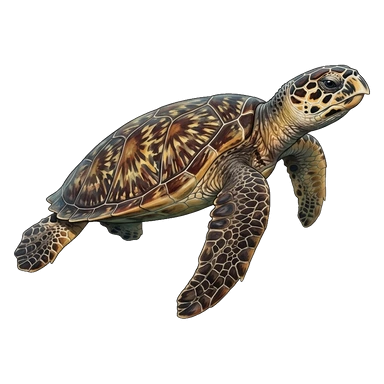 Hawksbill sea turtleOther poisonous animalsCan kill
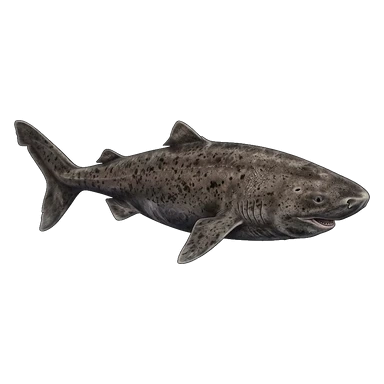 Greenland sharkOther poisonous animalsPainful
 Silver-cheeked toadfishOther poisonous animalsDeadly
 White-spotted pufferOther poisonous animalsCan kill
 Long-spine porcupinefishOther poisonous animalsNeeds a doctor
Also lives in: Pacific Ocean
 Australian box jellyfishJellyfish & sea stingersDeadlyDo not touch
 Geography coneCone snails & octopusesDeadly
 Greater blue-ringed octopusCone snails & octopusesDeadly
 Southern blue-ringed octopusCone snails & octopusesDeadly
 Irukandji jellyfishJellyfish & sea stingersCan killDo not touch
 Reef stonefishVenomous fishCan killDo not touch