
 Bitten or stung?
 All animals
 Pick a continent
 Africa
 Asia
 Europe
 South America
 Australia & Oceania
 Antarctica
 Pacific Ocean
 Atlantic Ocean
 Indian Ocean
 Arctic Ocean
 Mediterranean Sea
 Red Sea
 Caribbean Sea
 Coral Sea
 South China Sea
 Philippine Sea
 Andaman Sea
 North Sea
 Timor & Arafura Sea
 Bay of Bengal
 Gulf of California
 Games
 Venom battle
 Animal race
 Field notebook
 Venom TOP lists
 Stay safe
 Surprise me

California scorpionfish
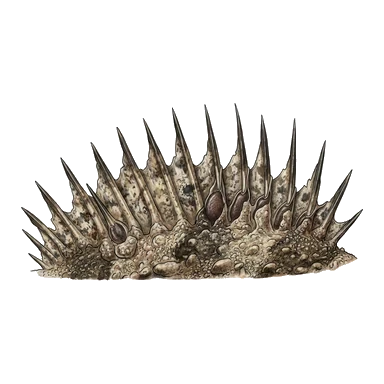 Venomous spines
The California scorpionfish is a spiny fish that lives on the ocean floor along the Pacific coast of California and Baja California. It stays still among rocks and in caves, where its spotted colours help it blend in. Its spines carry venom, so it is one to leave alone.1
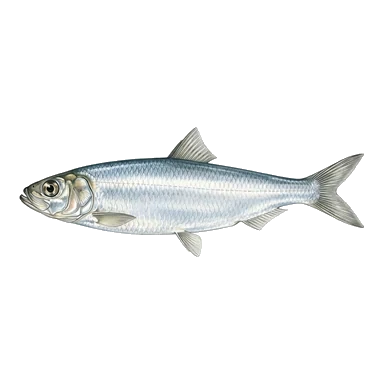
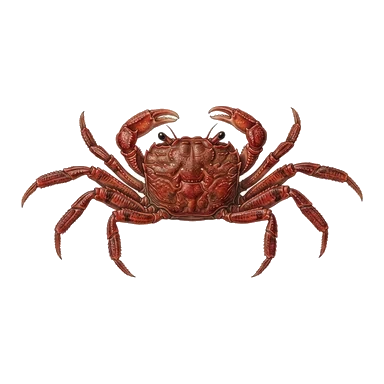
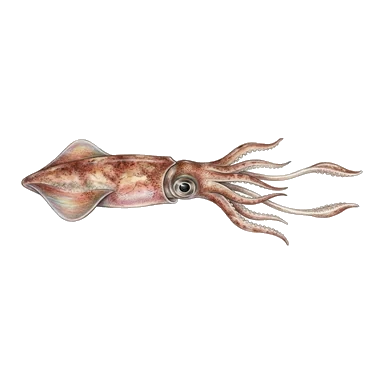
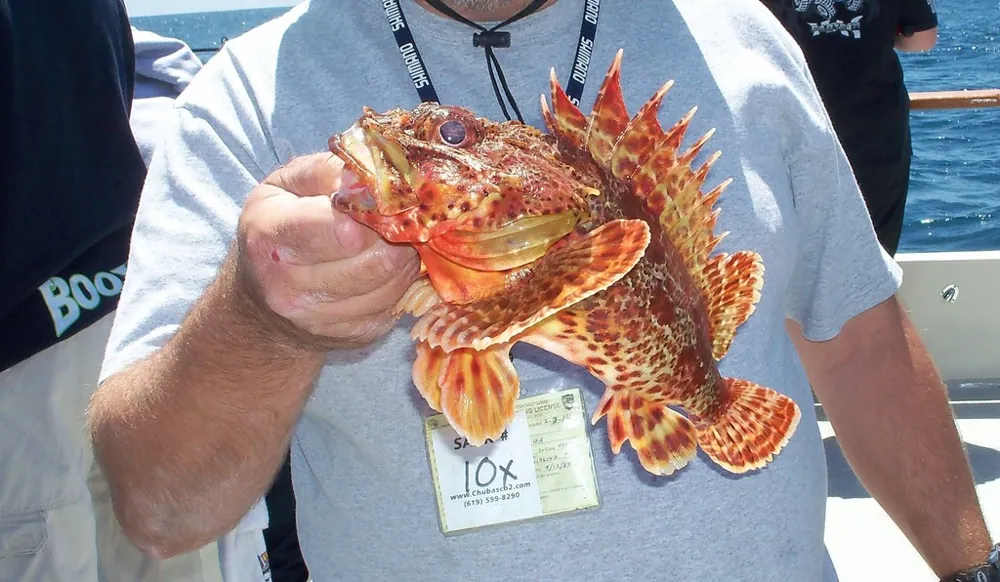
 How to recognise it
Venom power
Sharp spines carry the venom. Stepping on it or grabbing it hurts.
What does its venom do?
Its spines contain venom-producing glands. The venom is cardiotoxic, meaning it affects the heart; in laboratory studies it caused changes in blood pressure and heart rhythm. A spine prick can cause severe, throbbing pain, swelling, numbness and discolouration of the finger, with pain spreading up the arm. Nausea, faintness and pale, clammy skin can also occur.1
How dangerous is it to people?
Danger to people: SeriousIf its spines stab you, see a doctor. Deaths are very rare.It has been responsible for many human injuries and has been called one of the most noxious marine animals in California waters. Fishermen are most often affected when removing the fish from a hook. The effects can feel much like a rattlesnake bite, and one victim developed pericarditis, an inflammation of the lining around the heart. In one reported case, the victim recovered in about two weeks.1
What does it do when it is scared?
When pulled from the water, it flares the spines on its fins and gill covers, which makes it difficult to handle.1
 If its spines stab you
Always call your emergency number first (for example 112 in Europe, 911 in North America, 000 in Australia).
- Put the stung part in hot water, as hot as the person can stand without scalding (about 45 °C), for 30 to 90 minutes to ease the pain. Carefully remove any spine pieces you can see. Get medical help, and call the emergency number if the pain is severe or the person feels faint or unwell.1
- Put the wound in hot water, about 45 °C: as hot as the helper can comfortably hold their own hand in, never hotter, for 30 to 90 minutes. Get medical help, especially for stonefish and stingrays.
This is general first aid guidance, not medical advice. Based on the first aid guidelines of the World Health Organization and the Australian Resuscitation Council. Facts come from public sources and may contain mistakes. When in doubt, always get medical help. First aid basics
 Stay safe
- Never touch, catch or tease a wild animal, even a small one, and even if it looks asleep or dead.
- Give it space. If you meet one, stay calm, step back slowly and let it go its own way.
- If its spines stab you: stay calm, keep still, call your emergency number (for example 112 in Europe, 911 in North America, 000 in Australia) or get to a hospital fast. Remember what it looked like, a photo helps.
It is not out to get you. It uses its venom to catch food or to protect itself, and it would much rather hide. More about staying safe
Where in the world?
How big is it?
How long is it?
 as long as 2.5 bananas end to end
 as long as 5 bank cards end to end
 could swim the length of a big swimming pool (50 m) in 90 seconds
How big is California scorpionfish compared to you?
Just maths in your browser. Nothing is saved or sent anywhere.
How fast is it?

Facts
Its venom is produced in grooves along each spine, and the spine is covered by a thin membrane that is pushed back as it enters the skin, helping to inject the venom.1
It has no swim bladder, which is why it spends most of its time resting on the ocean floor.1
Some individuals have travelled up to 200 km in mark and recapture studies. One fish moved from near Santa Cruz Island to Long Beach over about 14 months.1
The California two-spot octopus preys on it, and the fish will also eat small octopuses of the same kind.1
Its maximum recorded lifespan is 21 years.1
Despite its danger, it is considered a very good food fish once the spines have been avoided, and it is sought after by some Asian communities in Southern California.1
For venom experts
- Scientific name
- Scorpaena guttata
- Group
- Venomous fish
- Also called
- spotted scorpionfish, California sculpin, sculpin1
- Family
- Scorpaenidae2
- Order
- Perciformes
- Continents
- Pacific Ocean, Gulf of California, The oceans
- Babies
- It lays eggs inside a floating, elastic, gelatinous mass about 25 cm long. Each egg is just over 1 mm long, and the mass turns cloudy white as it drifts at the surface.1
- Lifespan
- about 21 years1
- Danger to people
- 3 / 5: Serious3
Where the facts come from
- Scorpaena guttata (Wikipedia (CC BY-SA 4.0))
- Scorpaena guttata (iNaturalist): names and classification.
- Venom Wiki: the danger level, the typical size and the speed guess are our own. See how we work them out: How we rate danger.
Every fact on this page has a number that points to its source. If we got something wrong, sorry, we are animal fans, not a science journal. Tell us at [email protected] and we will fix it.
Get the Venom Wiki app
Every creature, every picture and the games in your pocket, even without internet.


 Support Venom Wiki Venom Wiki is a one-man project: free, with no ads and no cookies. A small tip helps keep it online.Feed the scorpion
More from the same group: Venomous fish
 Reef stonefish
 Red lionfish
 Estuarine stonefish
 Short-tail stingray
 Bluespotted ribbontail ray
 Common stingray
Also lives in: Pacific Ocean
 Australian box jellyfishJellyfish & sea stingersDeadlyDo not touch
 Geography coneCone snails & octopusesDeadly
 Greater blue-ringed octopusCone snails & octopusesDeadly
 Japanese pufferfishOther poisonous animalsDeadly
 Southern blue-ringed octopusCone snails & octopusesDeadly
 Hawksbill sea turtleOther poisonous animalsCan kill