
 Bitten or stung?
 All animals
 Pick a continent
 Africa
 Asia
 Europe
 South America
 Australia & Oceania
 Antarctica
 Pacific Ocean
 Atlantic Ocean
 Indian Ocean
 Arctic Ocean
 Mediterranean Sea
 Red Sea
 Caribbean Sea
 Coral Sea
 South China Sea
 Philippine Sea
 Andaman Sea
 North Sea
 Timor & Arafura Sea
 Bay of Bengal
 Gulf of California
 Games
 Venom battle
 Animal race
 Field notebook
 Venom TOP lists
 Stay safe
 Surprise me

Port Jackson shark
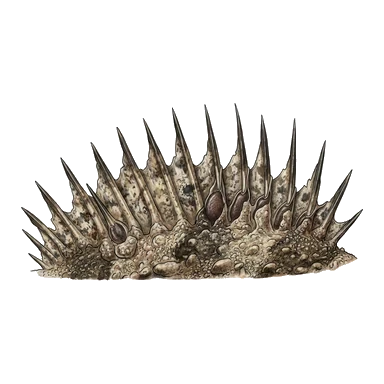 Venomous spines
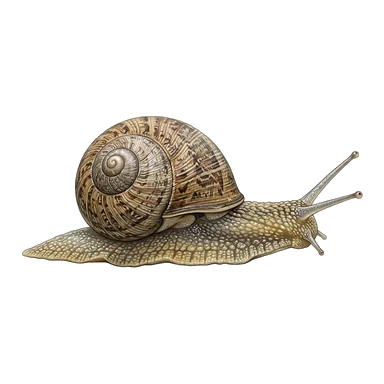
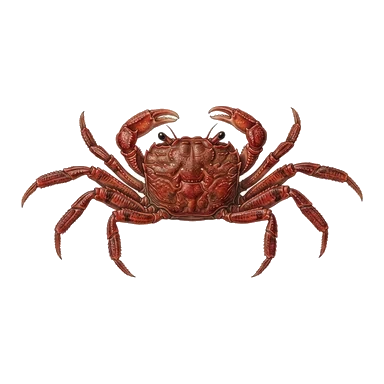
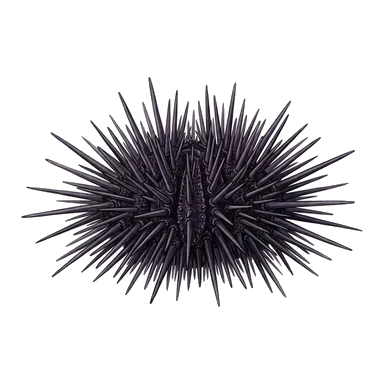
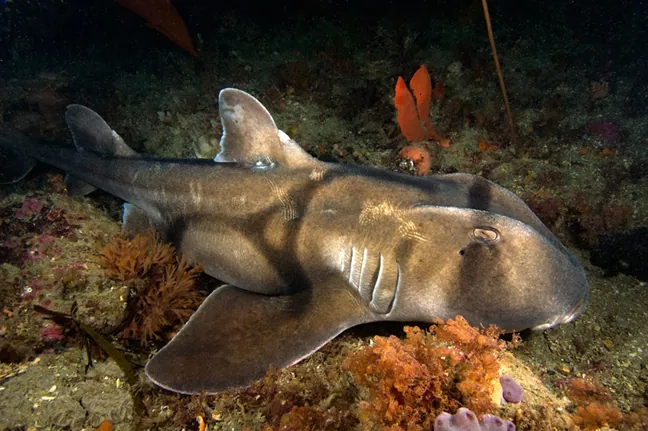
The Port Jackson shark is a bottom-dwelling shark that lives in the cool coastal waters of southern Australia. It is active mostly at night, when it hunts shellfish, sea urchins and fish. It is harmless to people, though its spines have a reputation that is not confirmed.1
 How to recognise it
- Grey-brown body with dark brown, harness-like bands, including one that runs across the eyes.1
- Large, blunt, flat head with raised ridges above the eyes.1
- A spine at the front edge of each of its two dorsal fins, which are nearly equal in size.1
- Front teeth are small and pointed, while back teeth are flat and blunt.1
- Adults can grow up to 1.65 metres long.1
Venom power
Sharp spines carry the venom. Stepping on it or grabbing it hurts.
How dangerous is it to people?
Danger to people: MildLike a bee sting or less. Basically harmless to people, unless the person is allergic.The shark poses no danger to humans. In October 2011, a man was bitten at Elwood Beach near Melbourne, but the bite did not pierce the skin and he was able to swim away while the shark was still attached to his calf.1
 If its spines stab you
Call your emergency number at once if the person has trouble breathing, swelling of the face or throat, or feels faint.
- Put the wound in hot water, about 45 °C: as hot as the helper can comfortably hold their own hand in, never hotter, for 30 to 90 minutes. Get medical help, especially for stonefish and stingrays.
This is general first aid guidance, not medical advice. Based on the first aid guidelines of the World Health Organization and the Australian Resuscitation Council. Facts come from public sources and may contain mistakes. When in doubt, always get medical help. First aid basics
 Stay safe
- Never touch, catch or tease a wild animal, even a small one, and even if it looks asleep or dead.
- Give it space. If you meet one, stay calm, step back slowly and let it go its own way.
- If it hurts you: wash the spot, stay calm and get medical help if the pain is strong or spreads, or the person feels unwell.
It is not out to get you. It uses its venom to catch food or to protect itself, and it would much rather hide. More about staying safe
Where in the world?
How big is it?
How long is it?
 as long as 3 house cats nose to tail
 as long as 9 bananas end to end
 could swim the length of a big swimming pool (50 m) in 8.2 seconds
How big is Port Jackson shark compared to you?
Just maths in your browser. Nothing is saved or sent anywhere.
How fast is it?

Facts
It can turn its stomach inside out and spit out unwanted contents.1
It can breathe while lying still on the bottom. It pumps water in through its first gill slit and out through the others, so it does not need to swim with its mouth open.1
Juveniles have individual personalities. Some are bolder than others when exploring new places, and they respond differently to stress.1
Juveniles can learn to link bubbles, lights or sounds with food, and they can learn by watching other sharks.1
Adults are often seen resting together in caves, but juveniles do not seem to be social.1
Each year it migrates south in summer and returns north to breed in winter.1
Myth buster
Myth: Port Jackson sharks are dangerous to people.
Truth: The shark poses no danger to humans. Its spines are rumoured to be venomous, but this has not been confirmed.1
For venom experts
- Scientific name
- Heterodontus portusjacksoni
- Group
- Venomous fish
- Also called
- Oyster Crusher, Common Port Jackson Shark, Bullhead1
- Family
- Heterodontidae2
- Order
- Heterodontiformes
- Continents
- Indian Ocean, Southern Ocean, The oceans
- Babies
- It lays eggs rather than giving birth to live young. From late August to mid-November, the female lays pairs of eggs every 8 to 17 days, up to eight pairs in total, and the eggs take 10 to 11 months to hatch.1
- How it is doing in the wild
- Least Concern (IUCN Red List)1
- Danger to people
- 1 / 5: Mild3
Where the facts come from
- Port Jackson shark (Wikipedia (CC BY-SA 4.0))
- Heterodontus portusjacksoni (iNaturalist): names and classification.
- Venom Wiki: the danger level, the typical size and the speed guess are our own. See how we work them out: How we rate danger.
Every fact on this page has a number that points to its source. If we got something wrong, sorry, we are animal fans, not a science journal. Tell us at [email protected] and we will fix it.
Get the Venom Wiki app
Every creature, every picture and the games in your pocket, even without internet.


 Support Venom Wiki Venom Wiki is a one-man project: free, with no ads and no cookies. A small tip helps keep it online.Feed the scorpion
More from the same group: Venomous fish
 Reef stonefish
 Red lionfish
 Estuarine stonefish
 Short-tail stingray
 Bluespotted ribbontail ray
 Common stingray

Also lives in: Indian Ocean
 Australian box jellyfishJellyfish & sea stingersDeadlyDo not touch
 Geography coneCone snails & octopusesDeadly
 Greater blue-ringed octopusCone snails & octopusesDeadly
 Southern blue-ringed octopusCone snails & octopusesDeadly
 Hawksbill sea turtleOther poisonous animalsCan kill
 Irukandji jellyfishJellyfish & sea stingersCan killDo not touch