
 África
 Asia
Asia Europa
 Sudamérica
 Australia y Oceanía
 Antártida
 Océano Pacífico
 Océano Atlántico
 Océano Índico
 Océano Ártico
 Mar Mediterráneo
 Mar Rojo
 Mar Caribe
 Mar del Coral
 Mar de China Meridional
 Mar de Filipinas
 Mar de Andamán
 Mar del Norte
 Mar de Timor y de Arafura
 Golfo de Bengala
 Golfo de California
House centipede
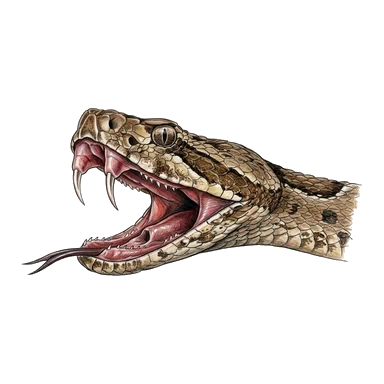 Mordeduras
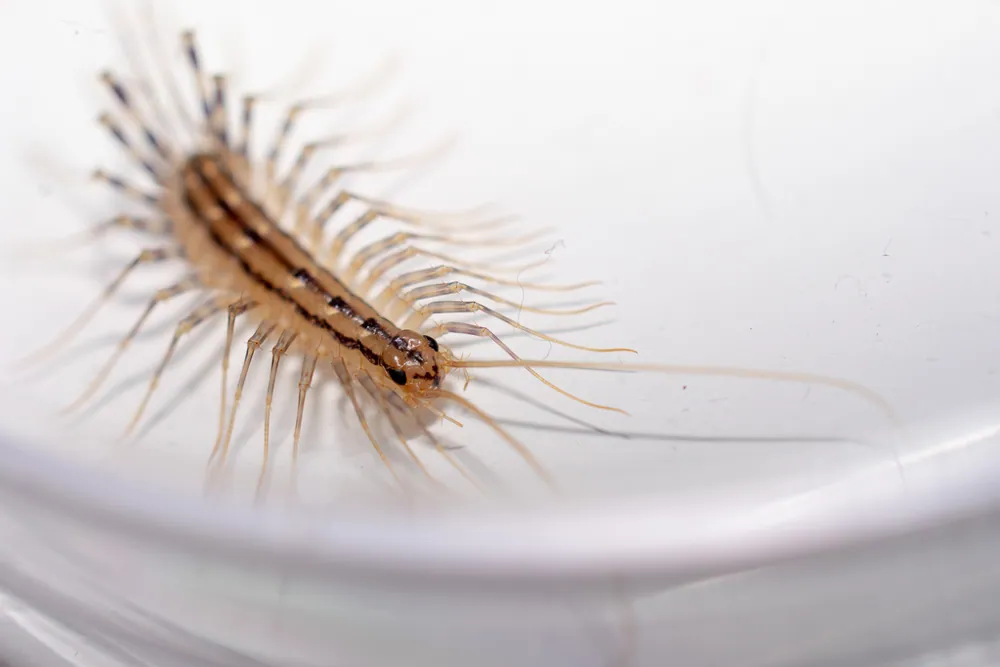
The house centipede is a long-legged, yellowish-grey centipede that often shares homes with people. It comes from the Mediterranean region and has spread across much of the world. It is fast, has very long legs, and eats household pests, so it is useful to have around.1
 Cómo reconocerlo
- Typically yellowish-grey, with three dark stripes running down the length of its body.1
- Up to 15 pairs of long legs, which also have dark stripes.1
- Body is typically 25 to 35 mm long. With its legs and antennae, it looks about 75 to 100 mm long.1
- Runs very quickly across floors, up walls and along ceilings, and can stop suddenly and stay still.1
- Has well-developed eyes, unlike most other centipedes.1
Poder del veneno
El veneno sale por sus colmillos o dientes cuando muerde.
¿Qué hace su veneno?
It has a mild venom, which it injects through small claw-like structures called forcipules. Its venom is used mainly to subdue prey. In a bite on a person, the effect is limited to mild pain and swelling in the local area, similar to a bee sting.1
¿Qué peligro tiene para las personas?
Peligro para las personas: LeveComo una picadura de abeja o menos. Prácticamente inofensivo para las personas.House centipedes pose essentially no threat to people. They are not aggressive and usually flee when disturbed. Stings are rare and usually happen only when the centipede is cornered or handled roughly. Their forcipules have difficulty penetrating human skin. Allergic reactions have been reported but are rare, and nearly all successful bites heal quickly without complications.1
¿Qué hace cuando se asusta?
When disturbed, it usually runs away quickly, and it can detach any legs that have become trapped.1
 Si muerde
- Lava la mordedura, enfríala o ponla en agua templada para el dolor, y busca ayuda médica si empeora.
Llama siempre primero a tu número de emergencias (112, 000, 911). Esto son pautas generales de primeros auxilios, no consejo médico. Primeros auxilios básicos
 Mantente a salvo
- Nunca toques, atrapes ni molestes a un animal salvaje, aunque sea pequeño y aunque parezca dormido o muerto.
- Déjale espacio. Si te encuentras uno, mantén la calma, retrocede despacio y deja que siga su camino.
- Si te muerde: mantén la calma, no te muevas, llama a tu número de emergencias (112, 000, 911) o ve rápido a un hospital. Recuerda cómo era, una foto ayuda.
No va a por ti. Usa su veneno para cazar o defenderse, y prefiere mil veces esconderse. Más sobre cómo protegerte
¿En qué parte del mundo?
¿Qué tamaño tiene?
¿Cuánto mide?
 más o menos lo que mide un clip
 podría recorrer 100 metros en 260 segundos (el humano más rápido necesita 9,6)
¿Qué tamaño tiene House centipede comparado contigo?
Solo cálculos en tu navegador. No se guarda ni se envía nada a ningún sitio.
¿Qué velocidad alcanza?


Datos
It can detach its own legs if they become trapped, which helps it escape danger.1
It can tell harmful prey from safe prey, and it changes how it feeds depending on the danger. With wasps, it retreats after stinging to let the venom take effect.1
Its tail-like hind legs look like antennae, so when it is at rest it is hard to tell its head end from its tail end.1
Unlike most centipedes, it has well-developed faceted eyes, although it hunts mostly by smell and touch through its antennae.1
Its blood contains proteins that carry oxygen, which is unusual among centipedes.1
It can live its whole life inside a building, usually on the ground floor of homes.1
Cazamitos
Mito: House centipedes are dangerous and likely to attack people.
Verdad: They are not aggressive and usually run away. Their stings are rare and cause only mild, local pain and swelling.1
Para expertos en veneno
- Nombre científico
- Scutigera coleoptrata
- Grupo
- Ciempiés
- Familia
- Scutigeridae2
- Orden
- Scutigeromorpha
- Continentes
- Europa, Asia, África
- Crías
- They lay eggs in spring. In a laboratory study of 24 females, the average was 63 eggs and the maximum was 151. The young hatch with four pairs of legs and gain more with each moult until they reach 15 pairs.1
- Esperanza de vida
- unos 7 años1
- Peligro para las personas
- 1 / 5: Leve3
De dónde salen los datos
- Scutigera coleoptrata (Wikipedia (CC BY-SA 4.0))
- Scutigera coleoptrata (iNaturalist): nombres y clasificación.
- Venom Wiki: el nivel de peligro, el tamaño típico y la velocidad estimada son nuestros. Mira cómo los calculamos: Cómo valoramos el peligro.
Cada dato de esta página tiene un número que lleva a su fuente. Si nos hemos equivocado en algo, perdón, somos fans de los animales, no una revista científica. Escríbenos a [email protected] y lo arreglamos.
 ¡El escorpión tiene hambre! Venom Wiki es un proyecto de una sola persona: gratis, sin anuncios y sin rastreadores. Una pequeña propina ayuda a mantenerlo en línea.Alimenta al escorpión
Más del mismo grupo: Ciempiés
 Chinese red-headed centipede
 Giant Australian centipede
 Mediterranean banded centipede
 Vietnamese giant centipede
 African blue-ring centipede
 Indian tiger centipede
También vive en: Europa
 Common European adderVíborasNecesita médico
 Spanish flyOtros animales tóxicosNecesita médicoNo tocar
 Common waspAbejas, avispas y avisponesSolo duele
 European hornetAbejas, avispas y avisponesSolo duele
 Fire salamanderRanas venenosas, sapos y tritonesSolo dueleNo tocar
 Western honey beeAbejas, avispas y avisponesSolo duele