
 Afirik
 Aazi
Aazi Orop
Orop Amerik Sud
 Ostarali e Oseyani
 Antarktik
 Geeci Pasifik
 Geeci Atlantik
 Geeci Enndo
 Geeci Arktik
 Geeci Mediteraane
 Geeci Boɗeewi
 Geeci Karayib
 Geeci Korayl
 Geeci Siin Sud
 Geeci Filipiin
 Geeci Andaman
 Geeci Nord
 Geeci Timor e Arafura
 Gulf Bengal
 Gulf Kaliforni
Eastern massasauga
 Ŋatgol
The eastern massasauga is a small rattlesnake that lives in eastern North America, mainly around the Great Lakes. It is the only venomous snake in Ontario, Canada. It is shy and keeps away from people, but it is a protected species because its numbers have fallen sharply.1



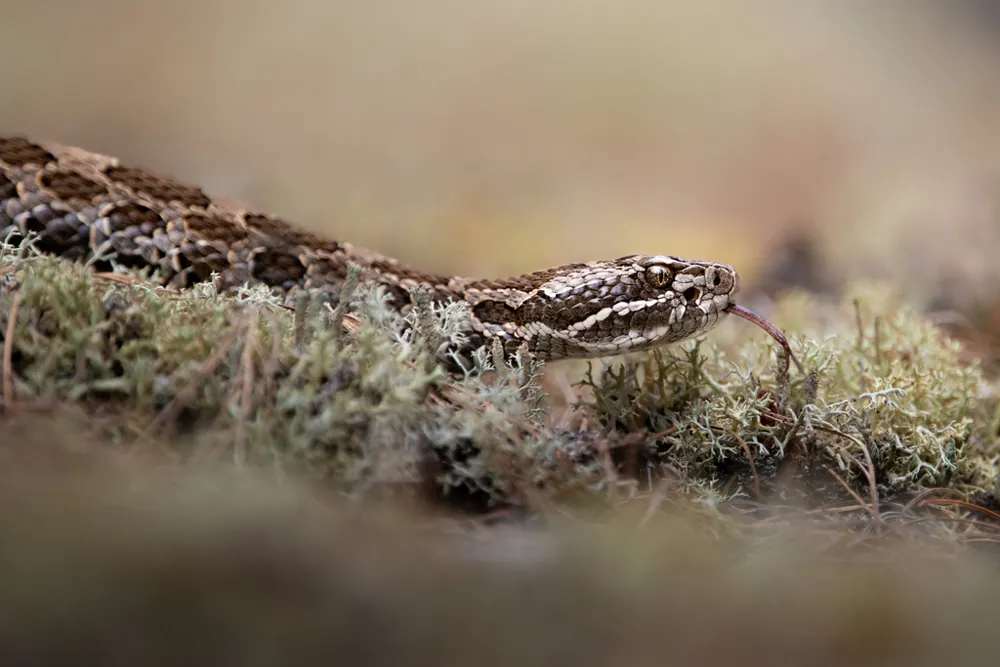
 Hono anndirtee ngal
- Ground colour is grey or tan.1
- A row of large, rounded brown or black blotches runs down the centre of the back.1
- Three smaller rows of alternating spots run down each side.1
- Solid black individuals also occur.1
- Like all rattlesnakes, it has heat-sensing pits on each side of its head, between the eye and the nostril.1
Doole tooke ŋatgol
Tooke no yaltira ñiiƴe mum tuma ngal ŋatata.
Ko honɗun tooke mum waɗata (ŋatgol walla jukkugol)?
Its venom is cytotoxic, which means it destroys tissue. It also contains digestive enzymes that disrupt blood flow and stop blood from clotting. In its prey, these effects cause severe internal bleeding.1
Hono musiiba mum heewiri e yimɓe?
Musiiba e yimɓe: Musiiba mawɗoŊatgol no haani doktoro. Maayde no famɗi sanne.The snake is shy and avoids humans when it can. Most bites in Ontario happened after people handled it or accidentally stepped on it. Only two deaths from its bites have been recorded in Ontario, and in both cases the victims did not receive proper treatment.1
Ko honɗun ngal waɗata si ngal hulii?
It is shy and tends to withdraw from people rather than confront them.1
 Si no ŋata
- Haɗu neɗɗo on dillagol, deeƴnu mo, jogo koyngal walla jungo ŋataaɗo on e toownde ɓernde, ittu baagiiji e ko tiiɗi fow, yahra mo lopitaan law.
Adii fow noddu nimero ballal (112, 000, 911). Ɗum ko anndinal ballal adiingal, wanaa saaraangal doktoro. Ko adii nder ballal adiingal
 Reen hoore maa
- Wota a meem, wota a nanngu, wota a jalnu kullal ladde haa abada, hay si ko tokooso, hay si no yi'ee no ɗaanii walla maayii.
- Accu ngal nokku. Si a fotti e ngal, deeƴu, ruttu ɓaawo seeɗa seeɗa, accu ngal yaha laawol mum.
- Si gooto e majji ŋatii ma: deeƴu, wota a dillu, noddu nimero ballal (112, 000, 911) walla yahu lopitaan law. Jogo e hakkille no ngal nanndi, natal no walla.
Ngal faalaaka gaañugol ma. Ngal no huutora tooke mum ngam nanngugol ñaamdu walla reenugol hoore mum, ngal ɓuri yiɗugol suuɗaade. Ko ɓeydi fii reenugol hoore maa
Hoto nder aduna?
Hono mawniri?
Hono juutiri?
 juuti no banaanaaji 4 jokkondirɗi
 no waawi taccugol meeteruuji 100 nder segonde 110 (neɗɗo ɓurɗo yaawugol sokli 9,6)
Hono Eastern massasauga mawniri, si fooɗondiraama e AN?
Ko limoore tun nder navigateur maa. Alaa ko danndetee walla ko neldetee ka nokku woo.
Hono yaawiri?


Humpito
It is a pit viper, a family that includes all rattlesnakes, and it is the only venomous snake in Ontario.1
Mothers and newborns stay together for a few days, until the young shed their skin for the first time.1
Females often do not breed every year, usually having a two-year breeding cycle.1
Its populations have declined so much that it has disappeared from many of its former areas, and now survives mainly in small, isolated groups.1
Ngam ganduɓe tooke
- Innde ganndal
- Sistrurus catenatus
- Fedde
- Ɓoɗɗi wulloowi
- Ɓesngu
- Viperidae2
- Ordre
- Squamata
- Leyɗe mawɗe
- Amerik Nord
- Ɓiɓɓe tokosɓe
- It gives birth to live young (it is ovoviviparous), usually in August or September. Litters of 5 to 14 have been reported in Illinois and 6 to 19 in Wisconsin, and the newborns are 18.8 to 24.4 cm long from snout to vent.1
- Hono ngal woniri nder ladde
- Threatened in Canada under federal and Ontario law; listed as endangered in several US states; IUCN Red List: least concern (2007, with a note that the assessment needs updating)1
- Musiiba e yimɓe
- 3 / 5: Musiiba mawɗo3
Ɗo humpitooji ɗin iwri
- Eastern massasauga (Wikipedia (CC BY-SA 4.0))
- Sistrurus catenatus (iNaturalist): inɗe e ŋoordingol (classification).
- Venom Wiki: tolno musiiba, mawnugol aadaajo e miijo yaawugol ko amen. Ndaar no min ƴeewtirta ɗum: Hono min tolnirta musiiba.
Kala humpito nder ngoo hello no jogii limoore hollirnde iwdi mum. Si min juumii, yaafo, min ko yiɗɓe kulle, wanaa jaaynde ganndal. Haalan min e [email protected], min feewnitan.
 Yaare nden no weelaa! Venom Wiki ko golle neɗɗo gooto: ko yoɓetaake, alaa piiblisite, alaa reweteeɓe. Kopporde tokooso no walla heddingol ɗum e enternet.Ñaamnu yaare nden
Ko ɓeydi e fedde wootere: Ɓoɗɗi wulloowi
 Eastern diamondback rattlesnakeƁoɗɗi wulloowiNo waawi warugol
 Timber rattlesnakeƁoɗɗi wulloowiNo waawi warugol
 Western diamondback rattlesnakeƁoɗɗi wulloowiNo waawi warugol
 SidewinderƁoɗɗi wulloowiNo sokli doktoro
 Mojave rattlesnakeƁoɗɗi wulloowiNo waawi warugol
 Aruba rattlesnakeƁoɗɗi wulloowiNo sokli doktoro
 Terciopelo
 Eastern coral snake
 Eyelash viper
 Arizona bark scorpion
 Brown recluse
 Cane toad