
 Afirik
 Aazi
Aazi Orop
Orop Amerik Sud
 Ostarali e Oseyani
 Antarktik
 Geeci Pasifik
 Geeci Atlantik
 Geeci Enndo
 Geeci Arktik
 Geeci Mediteraane
 Geeci Boɗeewi
 Geeci Karayib
 Geeci Korayl
 Geeci Siin Sud
 Geeci Filipiin
 Geeci Andaman
 Geeci Nord
 Geeci Timor e Arafura
 Gulf Bengal
 Gulf Kaliforni
Western massasauga
 Ŋatgol
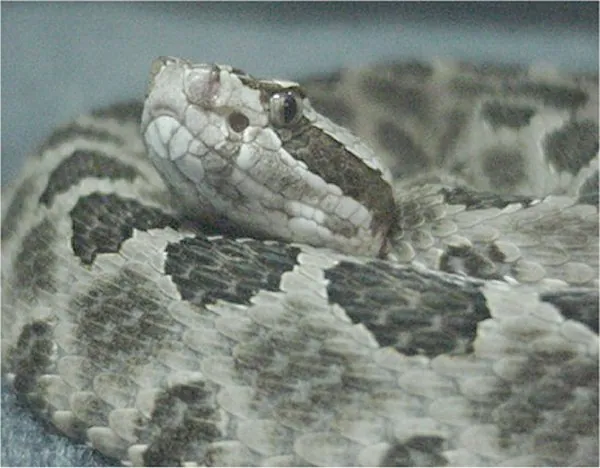
The western massasauga is a small, venomous rattlesnake. It lives on the grassy plains and deserts of the southwestern United States and northern Mexico. Its rattle is higher pitched than those of bigger rattlesnakes, so it can be easy to miss as a warning.1



 Hono anndirtee ngal
- Dark brown blotches stand out strongly against a tan-grey or light grey background.1
- The belly is light, with a few dark markings.1
- Adults range from 35 to 91 cm in total length, tail included.1
- It has a rattle, but it is higher pitched than the rattles of larger rattlesnakes.1
No jiibondiree e: Its colour pattern is similar to that of the eastern massasauga, but paler. The dark brown blotches contrast more strongly with its light ground colour.1
Doole tooke ŋatgol
Tooke no yaltira ñiiƴe mum tuma ngal ŋatata.
Ko honɗun tooke mum waɗata (ŋatgol walla jukkugol)?
Its venom is a powerful hemotoxin, which damages blood and tissue. It can cause swelling, necrosis (death of body tissue) and severe pain. Its yield is low, so each bite delivers less venom than a larger rattlesnake's bite would.1
Hono musiiba mum heewiri e yimɓe?
Musiiba e yimɓe: Musiiba mawɗoŊatgol no haani doktoro. Maayde no famɗi sanne.Its bite is less severe than that of larger rattlesnakes because it delivers less venom. Even so, the bite can be fatal if it is not treated.1
 Kabaaru moƴƴo: doktoroɓe no njogii lekki (sérum antivenimeux) walla safaara ngam ɗum.1
Ko honɗun ngal waɗata si ngal hulii?
Its rattle is not a reliable warning, because its high pitch is easy to miss.1
 Si no ŋata
- Treatment should be sought immediately for any venomous snake bite. The antivenin CroFab is not specific to this snake, but it can be used to treat severe envenomation from massasaugas.1
- Haɗu neɗɗo on dillagol, deeƴnu mo, jogo koyngal walla jungo ŋataaɗo on e toownde ɓernde, ittu baagiiji e ko tiiɗi fow, yahra mo lopitaan law.
Adii fow noddu nimero ballal (112, 000, 911). Ɗum ko anndinal ballal adiingal, wanaa saaraangal doktoro. Ko adii nder ballal adiingal
 Reen hoore maa
- Wota a meem, wota a nanngu, wota a jalnu kullal ladde haa abada, hay si ko tokooso, hay si no yi'ee no ɗaanii walla maayii.
- Accu ngal nokku. Si a fotti e ngal, deeƴu, ruttu ɓaawo seeɗa seeɗa, accu ngal yaha laawol mum.
- Si gooto e majji ŋatii ma: deeƴu, wota a dillu, noddu nimero ballal (112, 000, 911) walla yahu lopitaan law. Jogo e hakkille no ngal nanndi, natal no walla.
Ngal faalaaka gaañugol ma. Ngal no huutora tooke mum ngam nanngugol ñaamdu walla reenugol hoore mum, ngal ɓuri yiɗugol suuɗaade. Ko ɓeydi fii reenugol hoore maa
Hoto nder aduna?
Hono mawniri?
Hono juutiri?
 juuti no ulluuɗi suudu 2, hinere haa lawol
 juuti no banaanaaji 5 jokkondirɗi
 no waawi taccugol meeteruuji 100 nder segonde 110 (neɗɗo ɓurɗo yaawugol sokli 9,6)
Hono Western massasauga mawniri, si fooɗondiraama e AN?
Ko limoore tun nder navigateur maa. Alaa ko danndetee walla ko neldetee ka nokku woo.
Hono yaawiri?


Humpito
Its venom is as potent as that of larger rattlesnakes, but its low yield greatly reduces the harm it can do.1
It is nicknamed the buzztail because of its high-pitched rattle.1
It is mainly active at night and is considered mild-mannered and sluggish, especially in summer, when it is sometimes found basking.1
It was once considered a subspecies of the eastern massasauga.1
Bonnoowo fenaandeeji
Fenaande: A rattle always gives a clear warning before a rattlesnake bites.
Goonga: The western massasauga's rattle is higher pitched than those of larger rattlesnakes, so it should not be relied on as a warning.1
Ɗo humpitooji ɗin iwri
- Sistrurus tergeminus (Wikipedia (CC BY-SA 4.0))
- Sistrurus tergeminus (iNaturalist): inɗe e ŋoordingol (classification).
- Venom Wiki: tolno musiiba, mawnugol aadaajo e miijo yaawugol ko amen. Ndaar no min ƴeewtirta ɗum: Hono min tolnirta musiiba.
Kala humpito nder ngoo hello no jogii limoore hollirnde iwdi mum. Si min juumii, yaafo, min ko yiɗɓe kulle, wanaa jaaynde ganndal. Haalan min e [email protected], min feewnitan.
 Yaare nden no weelaa! Venom Wiki ko golle neɗɗo gooto: ko yoɓetaake, alaa piiblisite, alaa reweteeɓe. Kopporde tokooso no walla heddingol ɗum e enternet.Ñaamnu yaare nden
Ko ɓeydi e fedde wootere: Ɓoɗɗi wulloowi
 Eastern diamondback rattlesnakeƁoɗɗi wulloowiNo waawi warugol
 Timber rattlesnakeƁoɗɗi wulloowiNo waawi warugol
 Western diamondback rattlesnakeƁoɗɗi wulloowiNo waawi warugol
 SidewinderƁoɗɗi wulloowiNo sokli doktoro
 Mojave rattlesnakeƁoɗɗi wulloowiNo waawi warugol
 Aruba rattlesnakeƁoɗɗi wulloowiNo sokli doktoro
 Terciopelo
 Eastern coral snake
 Eyelash viper
 Arizona bark scorpion
 Brown recluse
 Cane toad