
 Afirik
 Asiya
Asiya Turai
Turai Amerik Worgo
 Australiya e Oseaniya
 Antarktika
 Baharu Pasifik
 Baharu Atlantik
 Baharu Indiya
 Baharu Arktik
 Baharu Mediterane
 Baharu Boɗeeru
 Baharu Karibiya
 Baharu Koral
 Baharu Ciina Worgo
 Baharu Filipin
 Baharu Andaman
 Baharu Rewo
 Baharu Timor e Arafura
 Baharu Bengal
 Baharu Kaliforniya
Ringed caecilian
 Ina ŋata
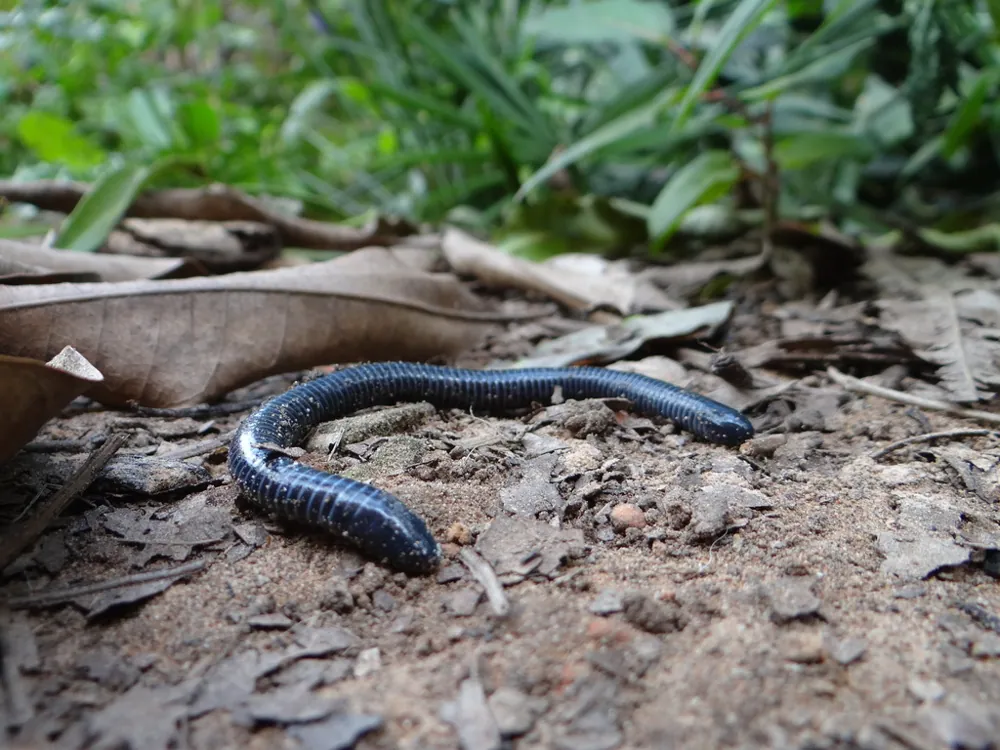
The ringed caecilian is a legless-looking amphibian that lives mostly underground in South America. It is one of the few amphibians known to feed its young with a milk-like liquid, which makes it a remarkable animal to learn about. It is also one of the caecilians with the widest known spread across the continent.1
 No anndirto nde
Doole tooke
Tooke ina yalta e ñiiƴe mum si nde ŋatii.
Hol ko tooke mum (ŋatol walla fiɗol) waɗata?
This animal is not venomous. Glands in the tail region are packed with noxious chemicals, similar to the poison glands of toads and newts.1
Hol no nde woni bone e yimɓe?
Bone e yimɓe: HoyɗoNo fiɗol nyaaku walla ɓuri famɗude. Ɓadii alaa bone e yimɓe. Si nde ŋatii
- Si neɗɗo memii gooto: lootu juuɗe moƴƴa, taa memu gite walla hunnduko. Si ɓiɗɗo walla dabbaare galle memii gooto e ɗemngal walla ñaamii nde: noddu nokku ballal tooke walla lamba ballal yaawngal.
Sahaa fof, noddu lamba ballal yaawngal (112, 000, 911) ko adii. Ɗum ko ballal arano kuuɓal, wonaa wasiyya doktaa. Aslu ballal arano
 Reen hoore maa
- Taa memu, taa nanngu, taa aaɓnu dabbaare ladde abada, hay pamaro, hay si ina wayi no ɗaanii walla maayii.
- Accu nde nokku. Si a fottii e gooto, deeƴu, ruttu caggal seeɗa seeɗa, accu nde yaha laawol mum.
- Si gooto e majji ŋatii ma: deeƴu, taa dillu, noddu lamba ballal yaawngal (112, 000, 911) walla yah asibiti law. Siftor no nde wayri, foto ina walla.
Nde ɗaɓɓaaki ma. Nde huutora tooke mum ngam nanngude ñaamdu walla reende hoore mum, nde ɓuri yiɗde suuɗaade. Ɓeydu anndude no reentorto
Hol to e aduna?
Hol no nde mawni?
Hol no nde juuti?
 juuti no ayaba 2,5 jokkondiraaɗi
 juuti no bulok fijo 14 jokkondiraaɗi
Hol no Ringed caecilian mawni, fottindaade e AAN?
Hiisa tan nder browser maa. Alaa ko mooftetee walla ko neletee.
Hol no nde yaawi?


Anndal
Mothers and young share an unusual feeding habit: the young scrape off the mother's outer skin in one feeding session of about seven minutes, then the mother rests for three days while she grows a new skin layer.1
Hatchlings make high-pitched clicking sounds when they approach their mothers for milk, a behaviour unique among amphibians.1
Glands on its head produce a slippery mucus that may help it burrow.1
Ngam ganduɓe tooke
Ɗo anndal iwi
- Siphonops annulatus (Wikipedia (CC BY-SA 4.0))
- Siphonops annulatus (iNaturalist): inɗe e tolnugol.
- Venom Wiki: darja bone, mawnude woowaaɗo e miijo yaawre ko amen. Ndaar no min hiisirta ɗum: No min betiri bone.
Kala anndal e ngoo hello ina jogii limre hollirnde iwdi mum. Si min juumii, accu min, min yiɗɓe dabbaaji, wonaa jaridaa ganndal. Wiy min e [email protected] min feewnitay.
 Yaare nden ina heege! Venom Wiki ko golle neɗɗo gooto: meere, tawa tallaaji alaa, trackers alaa. Ballal pamarngal ina walla heddinde ɗum e internet.Ñaamnu yaare nden
Goɗɗi e fedde wootere: Kwaɗoji tooke, kwaɗoji mawɗi e newt
 Paaɓi tooke kaŋŋeKwaɗoji tooke, kwaɗoji mawɗi e newtWarooɗoTaa memu
 Cane toadKwaɗoji tooke, kwaɗoji mawɗi e newtIna haani doktaaTaa memu
 Dyeing poison dart frogKwaɗoji tooke, kwaɗoji mawɗi e newtIna muusa tanTaa memu
 Black-legged poison frogKwaɗoji tooke, kwaɗoji mawɗi e newtIna waawi wardeTaa memu
 Bruno's casque-headed frogKwaɗoji tooke, kwaɗoji mawɗi e newtIna haani doktaaTaa memu
 Harlequin poison frogKwaɗoji tooke, kwaɗoji mawɗi e newtIna haani doktaaTaa memu
 Terciopelo
 Brazilian wandering spider
 Eyelash viper
 Golden lancehead
 South American bushmaster
 Peruvian giant centipede