
 Afrik
Afrik Aazi
Aazi Orop
Orop Amerik Worgo
 Ostaraali e Oseyaani
 Antarktik
 Geec Pasifik
 Geec Atlantik
 Geec Enndo
 Geec Arktik
 Geec Mediteraane
 Geec Boɗeejo
 Geec Karayib
 Geec Korayl
 Geec Siin Worgo
 Geec Filipiin
 Geec Andaman
 Geec Rewo
 Geec Timor e Arafura
 Gulf Bengal
 Gulf Kaliforni
Darevsky's viper
 Ŋatgol
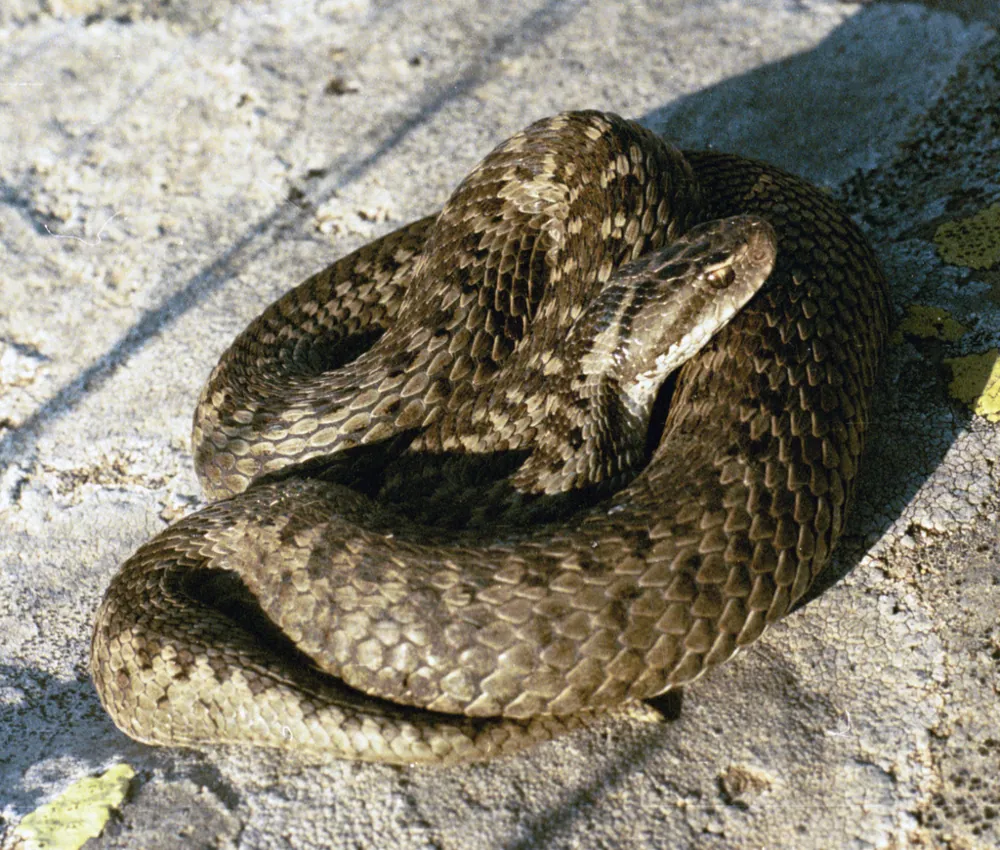
Darevsky's viper is a small venomous snake that lives high in the mountains of northwestern Armenia, northeastern Turkey and southern Georgia. Its bite is painful and causes swelling, but it does not appear to be life-threatening to adults. It is a rare animal, classed as critically endangered.1



 No anndirte ngal
- Light brown to grey background colour with a dark brown to black zigzag pattern along the back, often broken into pieces.1
- A single row of small dark blotches on each side of the body.1
- Belly with many grey or black dots. Females have a greyer belly, while males' bellies are almost black.1
- Chin shields and lip scales are white, with a few dark fang-shaped marks on the lip scales.1
- Adult males are brighter, with a yellow tint and a dark, often black, pattern. Females are browner, with a fainter pattern. Females reach up to 42.1 cm in total length.1
Ina heewi waylondireede e: It is often compared with Vipera eriwanensis. That species has a pinkish tint on its lip scales, while Darevsky's viper has white lip scales with dark fang-shaped marks.1
Doole tooke
Tooke ngal ina yaltira ñiiƴe mum so ina ŋata.
Hol ko tooke ŋatgol mum waɗata?
Its venom is potent, and it is a relatively small venomous snake. A bite causes pain and local swelling around the wound. The bite does not appear to be life-threatening to adult humans.1
Hol no bone mum heewiri e yimɓe?
Bone e yimɓe: MuusɗoIna waawi muusde sanne, kono hertaani wonde huunde mawnde.The bite is painful and causes local swelling, but it appears not to be life-threatening to adult humans.1
 So ina ŋata
- Haɗ neɗɗo oo dillaade, deƴƴin mo, jogo terɗe ŋataaɗe ɗee e toownde ɓernde, ittu jabbe e kala ko tiiɗi, yahra mo opitaal law.
Adii fof noddu nimero urgence (112, 000, 911). Ɗum ko anndinal ballal adiingal, wonaa saaraangal doktoor. Ko adii e ballal adiingal
 Reen hoore maa
- Wota a meem, wota a nanngu, wota a ñiŋŋu kullal ladde haa abada, hay so ngal ina famɗi, hay so ina nanndi e ɗaaniingal walla maayngal.
- Accu ngal nokku. So a fotti e ngal, deƴƴu, ruttu ɓaawo seeɗa seeɗa, accu ngal yaha laawol mum.
- So gooto ŋatii ma: deƴƴu, wota a dillu, noddu nimero urgence (112, 000, 911) walla yahu opitaal law. Jogo e hakkille no ngal nanndi, natal ina walla.
Ngal faalaaka gaañde ma. Ina huutoroo tooke mum ngam nanngude ñaamdu walla reenaade, ina ɓuri yiɗde suuɗaade. Ɓeydu anndude no reentortoo
Hol to e aduna?
Hol no mawniri?
Hol no juutiri?
Hol no teddiri?
 juutde no banaanaaji 2,5 sammondiraaɗi
 juutde no kaaɗe mahirɗe 13 ɗaɓɓondiraaɗe
 hoyɗo haa a ŋaccataa ngal e jungo maa
 ina waawi taƴde 100 meeteer e segonde 120 (neɗɗo ɓurɗo yaawde ina sokli 9,6)
Hol no Darevsky's viper mawniri, so fooɗondiraama e AN?
Limgal tan e navigatoor maa. Alaa ko danndetee walla ko neldetee.
Hol no yaawiri?


Humpito
Its digestion is very fast. In captive tests at 4 to 7 °C, a meal of fuzzy rat was digested in only 3 days.1
Remains of this snake have been found in the droppings of a beech marten, although little is known about its natural enemies.1
Newborns feed on the yolk left inside them for their first two weeks, and they grow without eating before their first shed.1
It is active during the day and moves into rocky deposits to keep its body at about 26 to 28 °C.1
Ngam ganduɓe tooke
- Innde ganndal
- Vipera darevskii
- Fedde
- Ɓoɗɗi wipeer
- Ɓesngu
- Viperidae2
- Ordre
- Squamata
- Leyɗe mawɗe
- Aazi
- Ɓiɓɓe tokooso
- It is ovoviviparous, meaning the eggs hatch inside the mother and she gives birth to live young. She has 4 to 8 babies between September and early October.1
- Hol no ngal woniri e ladde
- Critically endangered (IUCN Red List)1
- Bone e yimɓe
- 2 / 5: Muusɗo3
Ɗo humpito iwri
- Vipera darevskii (Wikipedia (CC BY-SA 4.0))
- Vipera darevskii (iNaturalist): inɗe e ceergal.
- Venom Wiki: tolno bone, mawnude heewnde e miijo yaawde ko amen. Yiy no men keɓirta ɗum: No men tolnirta bone.
Kala humpito e ngoo hello ina jogii limoore hollirnde iwdi mum. So men juumii, yaafo, men ko yiɗɓe kulle, wonaa jaaynde ganndal. Wiy men e [email protected], men feewnita.
 Yaare nden ina weelaa! Venom Wiki ko golle neɗɗo gooto: yoɓetaake, alaa ko jeeyetee, alaa rewɓe. Ndokkal seeɗa ina walla ngam heddude e enternet.Ñaam yaare nden
 Wipeer cerkeeje siy Enndo
 Mbaa-ndiyam (Puff adder)
 Ladde Russell
 Common European adder
 Eastern Russell's viper
 Northeast African carpet viper
 Yaare oolnde maayde
 Kobra Enndo
 Kobra laamɗo
 Asian giant hornet
 Komodo dragon
 Spanish fly