
 Afurika
 Aziya
Aziya Uburayi
 Amerika y'Amajyepfo
 Ositaraliya na Oseyaniya
 Antaragitika
 Inyanja ya Pasifika
 Inyanja ya Atalantika
 Inyanja y'Abahinde
 Inyanja ya Arigitika
 Inyanja ya Mediterane
 Inyanja Itukura
 Inyanja ya Karayibe
 Inyanja ya Korali
 Inyanja y'Amajyepfo y'u Bushinwa
 Inyanja ya Filipine
 Inyanja ya Andamani
 Inyanja y'Amajyaruguru
 Inyanja ya Timor na Arafura
 Ikigobe cya Bengali
 Ikigobe cya Kaliforuniya
Katipo
 Iraruma
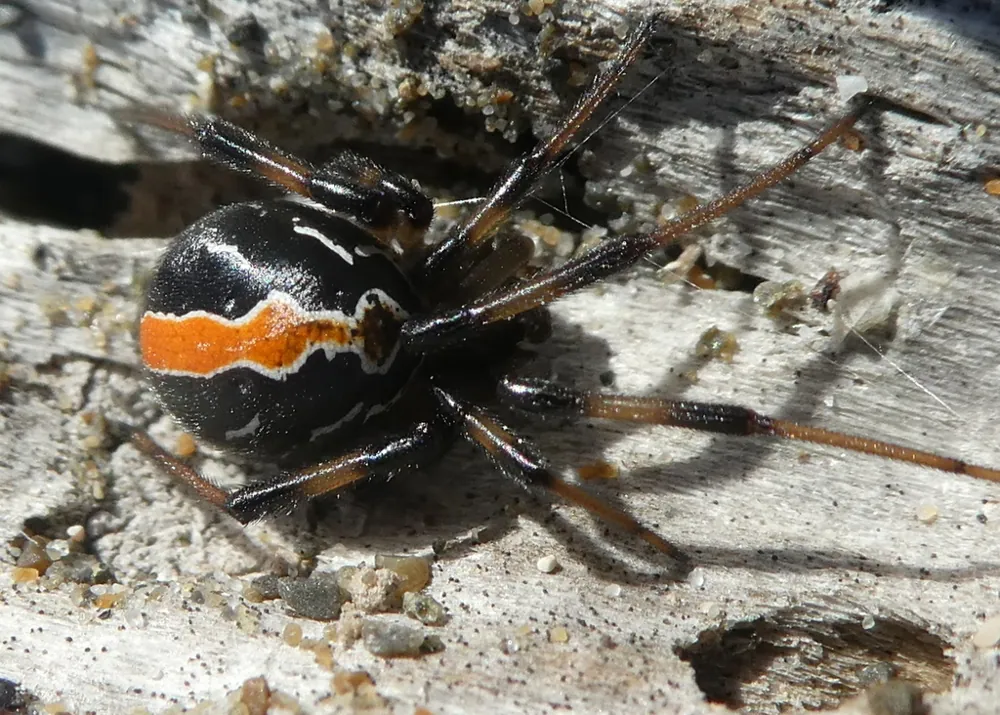
The katipō is a cobweb spider found only in New Zealand, where it lives in coastal sand dunes. It is closely related to the Australian redback spider. Its bite is venomous to people, but bites are rare.1
 Uko wayimenya
- Adult females have a body length of 8–10 mm (about 0.3–0.4 in).1
- The red katipō, found in the South Island and lower North Island, has a large black, shiny abdomen with a white-bordered orange or red stripe on top, and a red hourglass-shaped marking underneath.1
- The black katipō, found in the upper North Island, has no upper red or orange stripe and is somewhat lighter in colour.1
- Males are 4–5 mm long, white with black stripes and red hourglass-shaped markings.1
Ikunze kwitiranywa na: Steatoda species, which share the same habitat, are very similar and are called "false katipō" in New Zealand. The katipō has a less shiny, more tapered abdomen, and its side eyes are further apart. It is also similar to the redback, but the katipō has only short hair-like spines on its abdomen, while the redback has a mix of long and short ones.1
Imbaraga z'ubumara
Ubumara busohokera mu menyo yayo y'ubumara cyangwa mu yandi menyo iyo iriye.
Ubumara bwayo bukora iki?
The bite can cause latrodectism, a toxic syndrome that affects the nerves and body. Symptoms include extreme pain and, potentially, high blood pressure (hypertension) or seizures.1
Iteje akaga kangana iki ku bantu?
Akaga ku bantu: IkomeyeKurumwa na yo bisaba kujya kwa muganga. Abapfa ni bake cyane.Katipō are venomous to humans, but bites are described as rare. Serious symptoms are possible, including extreme pain, high blood pressure and seizures.1
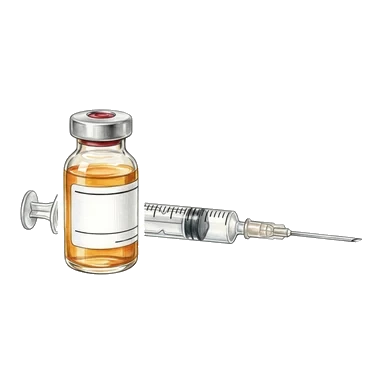 Inkuru nziza: abaganga bafite umuti (umuti urwanya ubumara, antivenom) cyangwa uburyo bwo kuvura ibi.1
 Niba iruma
- Oza aho yarumye kandi uhashyire agapaki k'urubura kubera ububabare. Shaka ubufasha bwa muganga niba ububabare bukabije, bukwirakwira cyangwa umuntu yumva atameze neza.
Buri gihe banza uhamagare nimero y'ubutabazi (112, 000, 911). Izi ni inama rusange z'ubutabazi bw'ibanze, si inama za muganga. Ibanze by'ubutabazi bw'ibanze
 Irinde akaga
- Ntuzigere ukora, ufata cyangwa ushotora inyamaswa yo mu gasozi, nubwo yaba ntoya, kandi nubwo yasa n'isinziriye cyangwa yapfuye.
- Yihe umwanya. Niba uhuye n'imwe, tuza, usubire inyuma buhoro buhoro kandi uyireke yigendere.
- Niba imwe ikurumye: tuza, ntunyeganyege, hamagara nimero y'ubutabazi (112, 000, 911) cyangwa ujye ku bitaro vuba. Ibuka uko yasaga, ifoto irafasha.
Ntigushakisha ngo ikugirire nabi. Ikoresha ubumara bwayo kugira ngo ifate ibyo kurya cyangwa yirinde, kandi ikunda cyane kwihisha. Ibindi ku kwirinda
Ingana gute?
Ireshya ite?
 ntoya ku buryo yakwicara ku nzara yawe
Katipo ingana ite ugereranyije NAWE?
Ni imibare gusa ikorerwa muri mudasobwa yawe. Nta kintu kibikwa cyangwa cyoherezwa ahandi.
Yihuta gute?


Ibintu by'ukuri
In one 24-hour study of young spiders, 28% left the web by ballooning, carried by air currents.1
Katipō is one of the few Māori words that refers to a specific species of spider.1
The female does not usually eat the male after mating, unlike some other widow spiders.1
Females cover their egg sacs with silk and sand, which partly hides them in the web.1
The katipō is found only in New Zealand.1
Usenya ibinyoma
Ikinyoma: The katipō is just a form of the redback spider.
Ukuri: The katipō is genetically and physically distinct from the redback, even though the two are closely related. It was once thought to be a subspecies of the redback.1
Ku bahanga mu by'ubumara
- Izina rya siyansi
- Latrodectus katipo
- Itsinda
- Ibitagangurirwa
- Umuryango
- Theridiidae2
- Itsinda rinini (order)
- Araneae
- Imigabane
- Ositaraliya na Oseyaniya
- Abana bato
- The female lays five or six egg sacs in November or December, with about 70 to 90 eggs in each. The young hatch after 20–25 days and leave the egg sac in January and February.1
- Uko imeze mu gasozi
- In serious decline (New Zealand Threat Classification System)1
- Akaga ku bantu
- 3 / 5: Ikomeye3
Aho ibintu bivugwa bituruka
- Katipō (Wikipedia (CC BY-SA 4.0))
- Latrodectus katipo (iNaturalist): amazina n'ibyiciro.
- Venom Wiki: urwego rw'akaga, ingano isanzwe n'ikigereranyo cy'umuvuduko ni ibyacu bwite. Reba uko tubibara: Uko tugena akaga.
Buri kintu kivugwa kuri iyi paji gifite nimero yerekana aho cyavuye. Niba twibeshye, tubabarire, turi abakunzi b'inyamaswa, ntituri ikinyamakuru cya siyansi. Tubwire kuri [email protected] tuzabikosora.
 Sikorupiyo irashonje! Venom Wiki ni umushinga w'umuntu umwe: ni ubuntu, nta matangazo kandi nta bikurikirana abantu. Impano ntoya ifasha kugira ngo ikomeze kuboneka kuri interineti.Gaburira sikorupiyo
 Redback spider
 White-tailed spider
 Peacock spider
 Badge huntsman spider
 Black house spider
 Eastern white-tailed spider
 Coastal taipan
 Common death adder
 Eastern brown snake
 Tayipani yo mu gihugu imbere
 Sydney funnel-web spider
 Inzoka y'ingwe