
 Afrika
 Asia
Asia Yuropu
 Amerika yeKumaodzanyemba
 Australia neOceania
 Antarctica
 Gungwa rePacific
 Gungwa reAtlantic
 Gungwa reIndia
 Gungwa reArctic
 Gungwa reMediterranean
 Gungwa Dzvuku
 Gungwa reCaribbean
 Gungwa reCoral
 Gungwa reChina yeKumaodzanyemba
 Gungwa rePhilippines
 Gungwa reAndaman
 Gungwa reKuchamhembe
 Gungwa reTimor neArafura
 Gungwa reBengal
 Gulf yeCalifornia
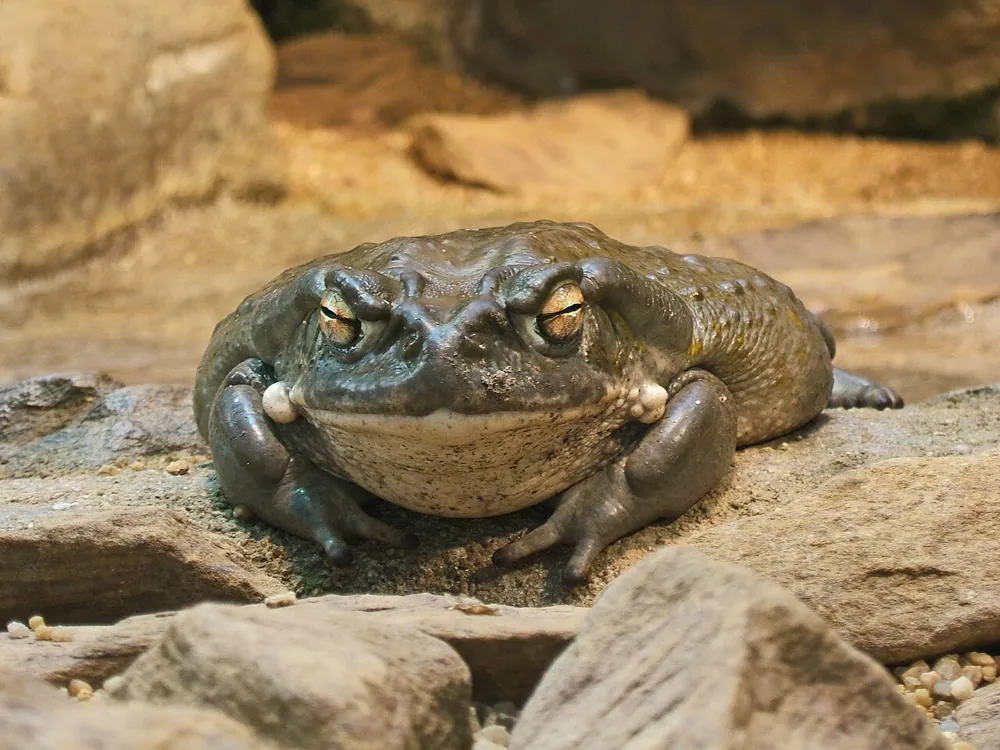
Colorado River toad
 Chepfu muganda rayoInodya: NyamaIne chepfu, haina uturu hwekuruma kana kubaya
The Colorado River toad is a large toad of the deserts of the southwestern United States and northwestern Mexico. It is famous for the toxic, mind-altering secretions it releases from glands in its skin when threatened. These secretions can be deadly if swallowed, so it should be left alone.1


 Maziviro ayo
Simba rechepfu
Ganda rayo rine chepfu. Ine ngozi kubata, kunanzva kana kudya.
Chepfu yayo inoitei?
The toad releases poison from glands in its skin, including the large parotoid glands behind the eyes. The poison contains psychoactive compounds, including 5-MeO-DMT and bufotenin, which affect the brain. It also contains digoxin-like cardiac glycosides, which act on the heart, and ingesting the poison can be fatal. In one reported case, a young woman who drank a tea made from toad preparation began vomiting and had difficulty breathing soon after, and died about two and a half hours later.1
Ine ngozi yakadii kuvanhu?
Ngozi kuvanhu: YakakombaKana munhu akaibata kana kuidya, enda kuna chiremba. Kufa hakuwanzoitiki zvachose.The poison is potent enough to kill a grown dog, and dogs that attack toads have been paralysed or killed. Several cases of human poisoning from swallowing toad secretions or eggs have been reported, and at least one death from the ch'an su preparation has been recorded. The toad has also been linked to poisoning and at least one death from the use of related toad preparations as street drugs.1
Inoitei kana yatya?
When threatened, it releases toxins from glands in its skin.1
 Kana munhu akaibata kana kuidya
- Kana munhu akabata imwe: geza maoko zvakanaka uye usabata maziso kana muromo. Kana mwana kana chipfuwo chakananzva kana kudya imwe: fonera nzvimbo yeruzivo rwechepfu kana nhamba yechimbichimbi.
Gara uchitanga wafonera nhamba yechimbichimbi (112, 000, 911). Iri izano rakajairika rerubatsiro rwekutanga, kwete zano rechiremba. Zvakakosha zverubatsiro rwekutanga
 Gara wakachengeteka
- Usambobata mhuka yesango, kuedza kuitora kana kuinetsa, kunyange iri diki, uye kunyange ichiita seyakarara kana yakafa.
- Ipa nzvimbo. Kana ukasangana nayo, dzikama, dzokera shure zvishoma nezvishoma uirege iende nenzira yayo.
- Kana wakaibata kana kuidya: usakwesha maziso kana muromo wako, geza maoko ako uye wana rubatsiro rwechiremba.
Haisi kukutsvaga. Chepfu yayo iripo chete kuti pasava nechinhu chinoidya. Zvimwe pamusoro pekugara wakachengeteka
Yakakura sei?
Yakareba zvakadii?
 yakareba sezvidhinha zvematoyi 6 zvakateedzana
 inogona kumhanya mamita 100 mumasekondi 180 (munhu anomhanyisa kupfuura vose anoda 9.6)
Colorado River toad yakakura sei kana yaenzaniswa NEWE?
Masvomhu chete mubrowser yako. Hapana chinochengetwa kana kutumirwa kupi zvako.
Inomhanya zvakadii?


Chokwadi
It is the only toad species in which bufotenin is present in large enough amounts to have a psychoactive effect.1
Raccoons have learned to pull a toad away from water by its back leg, turn it over and feed on its belly, which keeps them away from the poison glands.1
Unlike most vertebrates, it gets most of its water by absorbing it across its belly through a special area of skin called the seat patch.1
A female can lay up to 8,000 eggs.1
It is the largest toad in the United States, apart from the non-native cane toad.1
Kuputsa ngano
Ngano: Licking or smoking the toad's secretions is a safe way to get high or to treat illness.
Chokwadi: Swallowing the secretions has caused poisonings and deaths. Claims about its therapeutic use are unverified, and the US National Park Service has warned people not to handle or lick the toad.1
Kune nyanzvi dzeuturu
- Zita resainzi
- Incilius alvarius
- Boka
- Matatya ane chepfu, matoad nemanewt
- Mhuri
- Bufonidae2
- Odha
- Anura
- Makondinendi
- Amerika yeKuchamhembe
- Vacheche
- Females lay eggs in ponds, slow-moving streams, temporary pools or man-made structures that hold water, and can lay up to 8,000 eggs in a long tube of jelly.1
- Iri kurarama sei musango
- Listed as threatened in New Mexico and California. A June 2025 study found that persistent trapping in Mexico has decimated several populations and put the species at risk of extinction.1
- Ngozi kuvanhu
- 3 / 5: Yakakomba3
Kwakabva chokwadi
- Colorado River toad (Wikipedia (CC BY-SA 4.0))
- Incilius alvarius (iNaturalist): mazita nekurongwa kwemhuka.
- Venom Wiki: danho rengozi, saizi yakajairika nekufungidzira kwekumhanya ndezvedu. Ona kuti tinozviwana sei: Matinoyera ngozi.
Chokwadi chimwe nechimwe pane peji rino chine nhamba inoratidza kwachakabva. Kana takakanganisa, ruregerero, tiri vanoda mhuka, kwete magazini yesainzi. Tiudze pa[email protected] tichazvigadzirisa.
 Chinyavada chine nzara! Venom Wiki iprojekiti yemunhu mumwe: yemahara, isina kushambadza uye isina zvinokuteedzera. Chipo chidiki chinobatsira kuti irambe iri paindaneti.Fudza chinyavada
Zvimwe kubva muboka rimwe chete: Matatya ane chepfu, matoad nemanewt
 Cane toadMatatya ane chepfu, matoad nemanewtInoda chirembaUsabata
 Strawberry poison-dart frogMatatya ane chepfu, matoad nemanewtInongorwadzaUsabata
 California newtMatatya ane chepfu, matoad nemanewtInogona kuurayaUsabata
 Rough-skinned newtMatatya ane chepfu, matoad nemanewtInogona kuurayaUsabata
 Panamanian golden frogMatatya ane chepfu, matoad nemanewtInoda chirembaUsabata
 Eastern newtMatatya ane chepfu, matoad nemanewtInongorwadzaUsabata
 Terciopelo
 Eastern coral snake
 Eastern diamondback rattlesnake
 Eyelash viper
 Timber rattlesnake
 Western diamondback rattlesnake