
 Afrika
 Asia
Asia Yuropu
 Amerika yeKumaodzanyemba
 Australia neOceania
 Antarctica
 Gungwa rePacific
 Gungwa reAtlantic
 Gungwa reIndia
 Gungwa reArctic
 Gungwa reMediterranean
 Gungwa Dzvuku
 Gungwa reCaribbean
 Gungwa reCoral
 Gungwa reChina yeKumaodzanyemba
 Gungwa rePhilippines
 Gungwa reAndaman
 Gungwa reKuchamhembe
 Gungwa reTimor neArafura
 Gungwa reBengal
 Gulf yeCalifornia
Israeli mole viper
 Inoruma
The Israeli mole viper is a small, dark, venomous snake that lives in deserts in the Middle East. It spends most of its time underground or hidden under rocks, and it is active mainly at night. It is one of the most venomous snakes in its region, but bites to people are rare.1



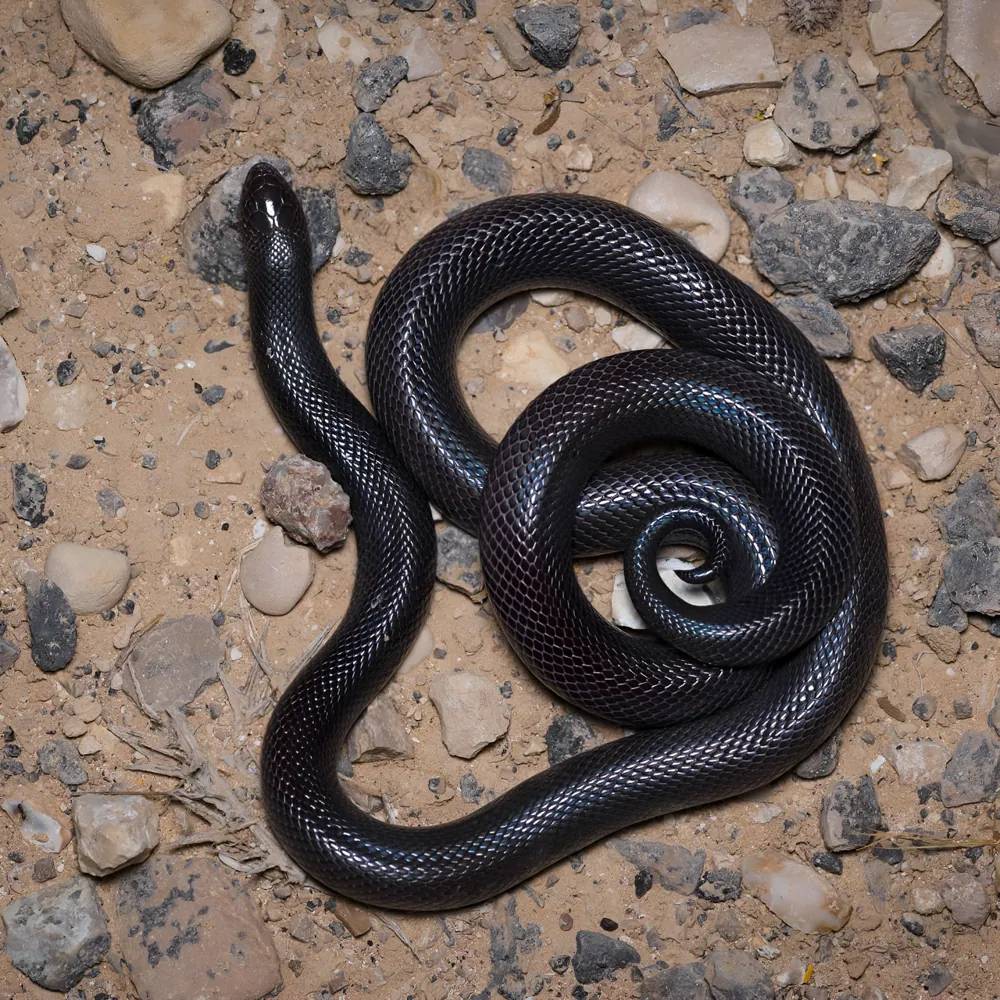
 Maziviro ayo
Simba reuturu
Uturu hunobuda nemeno ayo painoruma.
Uturu hwayo hunoitei?
Its venom contains three toxins called sarafotoxins, which act strongly on the heart. The venom affects the heart's electrical rhythm, causing an A-V block, which means the signal between the upper and lower chambers of the heart is interrupted. Death from very high doses is rapid and seems to result from effects on the nerves.1
Ine ngozi yakadii kuvanhu?
Ngozi kuvanhu: Ine ngozi zvikuruInogona kuuraya munhu asina kurapwa.It is an extremely venomous snake. Bites are rare because it lives mostly in deserts and underground and is slow to react. Most people survive a bite with little or no lasting damage, even small children with proper treatment. Only 2 to 3 fatal cases have been recorded since its discovery in 1950, the most recent in 2002, when a man tried to capture a snake near his house.1
Inoitei kana yatya?
When threatened, it rolls up with its tail raised and its head hidden under its body.1
 Kana ikaruma
- Geza parumwa, chengeta munhu akadzikama uye wana rubatsiro rwechiremba. Dzimwe mhando (dzakaita seboomslang) dzinogona kuuraya mushure memaawa.
Gara uchitanga wafonera nhamba yechimbichimbi (112, 000, 911). Iri izano rakajairika rerubatsiro rwekutanga, kwete zano rechiremba. Zvakakosha zverubatsiro rwekutanga
 Gara wakachengeteka
- Usambobata mhuka yesango, kuedza kuitora kana kuinetsa, kunyange iri diki, uye kunyange ichiita seyakarara kana yakafa.
- Ipa nzvimbo. Kana ukasangana nayo, dzikama, dzokera shure zvishoma nezvishoma uirege iende nenzira yayo.
- Kana imwe ikakuruma: dzikama, gara wakanyarara, fonera nhamba yechimbichimbi (112, 000, 911) kana kuti enda kuchipatara nokukurumidza. Rangarira kuti yaitaridzika sei, mufananidzo unobatsira.
Haisi kukutsvaga. Inoshandisa uturu hwayo kubata chikafu kana kuzvidzivirira, uye inotonyanya kuda kuhwanda. Zvimwe pamusoro pekugara wakachengeteka
Yakakura sei?
Yakareba zvakadii?
 yakareba sekatsi dzepamba 1,5 kubva pamhuno kusvika kumuswe
 yakareba semabhanana 4 akateedzana
 inogona kumhanya mamita 100 mumasekondi 75 (munhu anomhanyisa kupfuura vose anoda 9.6)
Israeli mole viper yakakura sei kana yaenzaniswa NEWE?
Masvomhu chete mubrowser yako. Hapana chinochengetwa kana kutumirwa kupi zvako.
Inomhanya zvakadii?


Chokwadi
Its fangs can be turned to point outside its mouth, so it can stab sideways even with its mouth closed.1
Capturing this snake is dangerous, because it can bite sideways even when held by the head. Zoologist Heinrich Mendelssohn was bitten this way when he first captured one in 1944.1
There is currently no antivenom available for this snake.1
Its eggs are large compared with its body size and with snakes in general.1
It mates in July and August, which is late compared with other snakes and may point to a tropical origin.1
It is relatively non-aggressive and slow to react, even when disturbed.1
Kune nyanzvi dzeuturu
- Zita resainzi
- Atractaspis engaddensis
- Boka
- Nyoka dzine meno ekumashure
- Mhuri
- Atractaspididae2
- Odha
- Squamata
- Makondinendi
- Asia
- Vacheche
- Between the end of September and November, the female lays 2 to 3 large, elongated eggs, about 7.5 cm long, in humid conditions. The young hatch after about 3 months already equipped with venom.1
- Ngozi kuvanhu
- 4 / 5: Ine ngozi zvikuru3
Kwakabva chokwadi
- Atractaspis engaddensis (Wikipedia (CC BY-SA 4.0))
- Atractaspis engaddensis (iNaturalist): mazita nekurongwa kwemhuka.
- Venom Wiki: danho rengozi, saizi yakajairika nekufungidzira kwekumhanya ndezvedu. Ona kuti tinozviwana sei: Matinoyera ngozi.
Chokwadi chimwe nechimwe pane peji rino chine nhamba inoratidza kwachakabva. Kana takakanganisa, ruregerero, tiri vanoda mhuka, kwete magazini yesainzi. Tiudze pa[email protected] tichazvigadzirisa.
 Chinyavada chine nzara! Venom Wiki iprojekiti yemunhu mumwe: yemahara, isina kushambadza uye isina zvinokuteedzera. Chipo chidiki chinobatsira kuti irambe iri paindaneti.Fudza chinyavada
Zvimwe kubva muboka rimwe chete: Nyoka dzine meno ekumashure
 Brown tree snakeNyoka dzine meno ekumashureInongorwadza
 Tiger keelbackNyoka dzine meno ekumashureInogona kuuraya
 Red-necked keelbackNyoka dzine meno ekumashureInoda chiremba
 Green cat snakeNyoka dzine meno ekumashureInongorwadza
 Mangrove snakeNyoka dzine meno ekumashureInongorwadza
 Asian vine snakeNyoka dzine meno ekumashureIsina ngozi
 Deathstalker
 Indian cobra
 Indian saw-scaled viper
 King cobra
 Puff adder
 Bvumbi raRussell
.png)