
 Afrika
 Asia
Asia Yuropu
 Amerika yeKumaodzanyemba
 Australia neOceania
 Antarctica
 Gungwa rePacific
 Gungwa reAtlantic
 Gungwa reIndia
 Gungwa reArctic
 Gungwa reMediterranean
 Gungwa Dzvuku
 Gungwa reCaribbean
 Gungwa reCoral
 Gungwa reChina yeKumaodzanyemba
 Gungwa rePhilippines
 Gungwa reAndaman
 Gungwa reKuchamhembe
 Gungwa reTimor neArafura
 Gungwa reBengal
 Gulf yeCalifornia
Japanese yellow hornet
 Inobaya
The yellow hornet, Vespa simillima, is a common hornet across much of the Eastern Hemisphere. It is known as the Japanese hornet or Japanese yellow hornet in its yellow colour form. Its nests are some of the largest of any Vespa hornet in Japan.1



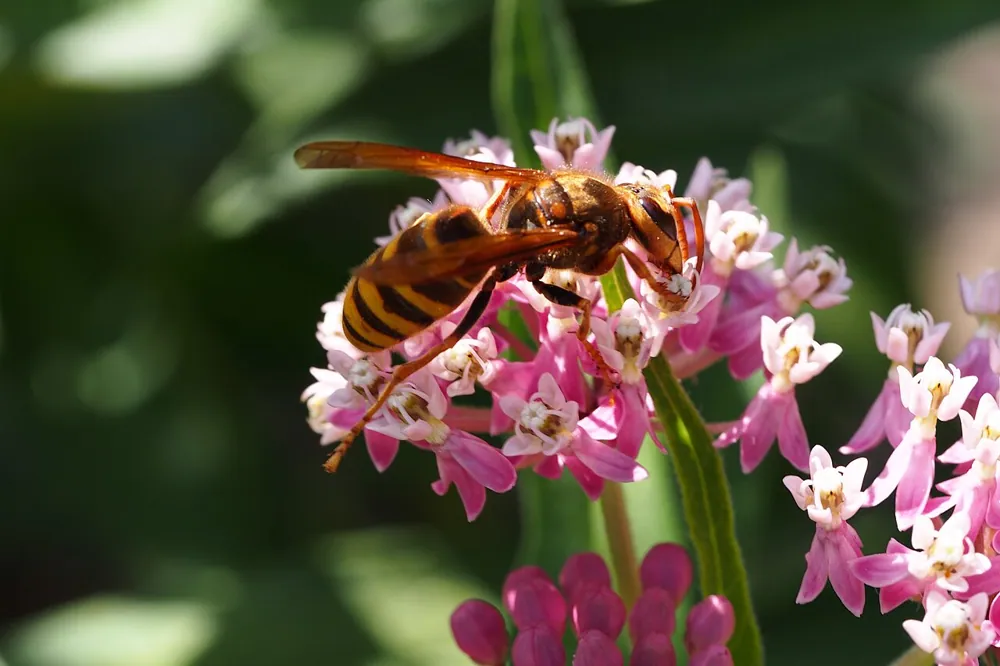
 Maziviro ayo
- The yellow colour form is the one most often seen in Japan.1
- The typical mainland colour form is darker and hairier than the yellow form.1
- Colonies can be very large, with nests commonly holding 1,000 to over 10,000 cells.1
Inowanzovhiringidzwa ne: This hornet should not be confused with the Asian giant hornet (Vespa mandarinia), which has a colour form sometimes called the Japanese giant hornet.1
Simba reuturu
Uturu hunobuda nerumbori.
Ine ngozi yakadii kuvanhu?
Ngozi kuvanhu: InorwadzaInogona kurwadza chaizvo, asi kazhinji haisi njodzi huru. Kana ikabaya
- Bvisa rumbori rwenyuchi nekurikwenya, wotonhodza panzvimbo iyoyo.
- Kana munhu achinetseka kufema, chiso kana huro zvichizvimba, kana achinzwa kunge ofenda, ndiyo njodzi yeallergy: fonera nhamba yechimbichimbi uye shandisa pen yake yeadrenaline kana anayo.
Gara uchitanga wafonera nhamba yechimbichimbi (112, 000, 911). Iri izano rakajairika rerubatsiro rwekutanga, kwete zano rechiremba. Zvakakosha zverubatsiro rwekutanga
 Gara wakachengeteka
- Usambobata mhuka yesango, kuedza kuitora kana kuinetsa, kunyange iri diki, uye kunyange ichiita seyakarara kana yakafa.
- Ipa nzvimbo. Kana ukasangana nayo, dzikama, dzokera shure zvishoma nezvishoma uirege iende nenzira yayo.
- Kana imwe ikakubaya: dzikama, gara wakanyarara, fonera nhamba yechimbichimbi (112, 000, 911) kana kuti enda kuchipatara nokukurumidza. Rangarira kuti yaitaridzika sei, mufananidzo unobatsira.
Haisi kukutsvaga. Inoshandisa uturu hwayo kubata chikafu kana kuzvidzivirira, uye inotonyanya kuda kuhwanda. Zvimwe pamusoro pekugara wakachengeteka
Yakakura sei?
Yakareba zvakadii?
 inenge kureba sechibatanidzo chemapepa
 inogona kubhururuka ichiyambuka nhandare yose yebhora mumasekondi 13
Japanese yellow hornet yakakura sei kana yaenzaniswa NEWE?
Masvomhu chete mubrowser yako. Hapana chinochengetwa kana kutumirwa kupi zvako.
Inomhanya zvakadii?


Chokwadi
Asian giant hornets sometimes raid yellow hornet nests, killing workers and carrying the larvae and pupae back to their own nest as food.1
Black hornet queens sometimes attack yellow hornet nests, take them over and use the original workers to raise their own young.1
Colonies are started by one queen, who does every task at first, including laying eggs, hunting and building the nest.1
Nests can be moved to a new site in the middle of the nesting period, which is unusual for Vespa hornets.1
Adult workers live for an average of 12.9 days, and their death rate rises once they start foraging outside the nest.1
Kuputsa ngano
Ngano: The Japanese yellow hornet is the same as the Asian giant hornet.
Chokwadi: The two are different species. The yellow hornet is Vespa simillima, and the Asian giant hornet is Vespa mandarinia.1
Kwakabva chokwadi
- Vespa simillima (Wikipedia (CC BY-SA 4.0))
- Vespa simillima (iNaturalist): mazita nekurongwa kwemhuka.
- Venom Wiki: danho rengozi, saizi yakajairika nekufungidzira kwekumhanya ndezvedu. Ona kuti tinozviwana sei: Matinoyera ngozi.
Chokwadi chimwe nechimwe pane peji rino chine nhamba inoratidza kwachakabva. Kana takakanganisa, ruregerero, tiri vanoda mhuka, kwete magazini yesainzi. Tiudze pa[email protected] tichazvigadzirisa.
 Chinyavada chine nzara! Venom Wiki iprojekiti yemunhu mumwe: yemahara, isina kushambadza uye isina zvinokuteedzera. Chipo chidiki chinobatsira kuti irambe iri paindaneti.Fudza chinyavada
Zvimwe kubva muboka rimwe chete: Nyuchi, mago nemahornet
 Asian giant hornetNyuchi, mago nemahornetInogona kuuraya
 Common waspNyuchi, mago nemahornetInongorwadza
 European hornetNyuchi, mago nemahornetInongorwadza
 Western honey beeNyuchi, mago nemahornetInongorwadza
 Giant honey beeNyuchi, mago nemahornetInoda chiremba
 Asian hornetNyuchi, mago nemahornetInongorwadza
 Deathstalker
 Indian cobra
 Indian saw-scaled viper
 King cobra
 Puff adder
 Bvumbi raRussell
.jpg)