
 Afrika
 Asia
Asia Yuropu
 Amerika yeKumaodzanyemba
 Australia neOceania
 Antarctica
 Gungwa rePacific
 Gungwa reAtlantic
 Gungwa reIndia
 Gungwa reArctic
 Gungwa reMediterranean
 Gungwa Dzvuku
 Gungwa reCaribbean
 Gungwa reCoral
 Gungwa reChina yeKumaodzanyemba
 Gungwa rePhilippines
 Gungwa reAndaman
 Gungwa reKuchamhembe
 Gungwa reTimor neArafura
 Gungwa reBengal
 Gulf yeCalifornia
Samar cobra
 Inoruma
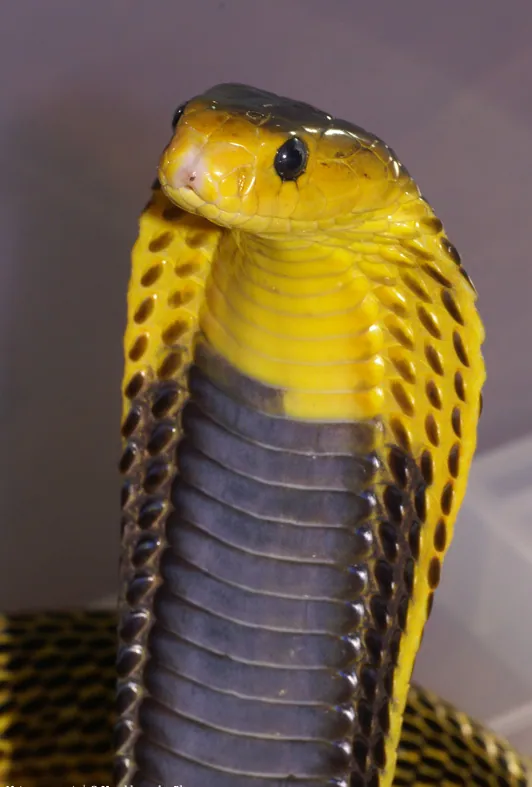
The Samar cobra is a highly venomous spitting cobra from the Visayas and Mindanao island groups of the Philippines. It can grow up to 1.4 metres long. It often lives close to people, where it hunts rats and mice around rice fields.1



 Maziviro ayo
- Colour varies from black and yellow to green.1
- Can grow up to 1.4 metres (4.6 ft) long.1
- Has 17 to 25 scale rows around the hood.1
- Is quick to strike and to spray venom, usually aiming for the face and eyes.1
Inowanzovhiringidzwa ne: It is often compared with its northern relative, the Northern Philippines cobra. The Samar cobra is more reluctant to spit venom than that species.1
Simba reuturu
Uturu hunobuda nemeno ayo painoruma.
Uturu hwayo hunoitei?
Its venom is dominated by three-finger toxins, which make up about 90% of the venom proteins. This is the highest three-finger toxin level recorded in any snake venom. The venom also contains snake venom metalloproteinases and phospholipases A2, which damage tissue. If venom gets in the eyes, it causes extreme pain and mechanical damage to the eyeball, and can cause permanent blindness if not properly flushed out.1
Ine ngozi yakadii kuvanhu?
Ngozi kuvanhu: Ine ngozi zvikuruInogona kuuraya munhu asina kurapwa.It is described as highly venomous. Its bite and spitting venom are both dangerous, and its habit of living near people means it often comes into conflict with them.1
Inoitei kana yatya?
It is nervous and quick to strike, and it sprays venom at the face and eyes when threatened.1
 Kana ikaruma kana kupfira
- If venom gets in the eyes, it must be flushed out thoroughly with lots of clean water, as incomplete flushing can lead to permanent blindness. Any bite needs urgent hospital care.1
- Chengeta munhu asingafambe uye akadzikama, bvisa mhete nezvinhu zvakasunga, uende kuchipatara nokukurumidza: antivenom ndiwo mushonga wacho.
- Kana uturu hwakapfirwa mumaziso, asuke nemvura yakachena yakawanda ipapo ipapo.
Gara uchitanga wafonera nhamba yechimbichimbi (112, 000, 911). Iri izano rakajairika rerubatsiro rwekutanga, kwete zano rechiremba. Zvakakosha zverubatsiro rwekutanga
 Gara wakachengeteka
- Usambobata mhuka yesango, kuedza kuitora kana kuinetsa, kunyange iri diki, uye kunyange ichiita seyakarara kana yakafa.
- Ipa nzvimbo. Kana ukasangana nayo, dzikama, dzokera shure zvishoma nezvishoma uirege iende nenzira yayo.
- Kana imwe ikakuruma kana kukupfira uturu mumaziso: dzikama, gara wakanyarara, fonera nhamba yechimbichimbi (112, 000, 911) kana kuti enda kuchipatara nokukurumidza. Rangarira kuti yaitaridzika sei, mufananidzo unobatsira.
Haisi kukutsvaga. Inoshandisa uturu hwayo kubata chikafu kana kuzvidzivirira, uye inotonyanya kuda kuhwanda. Zvimwe pamusoro pekugara wakachengeteka
Yakakura sei?
Yakareba zvakadii?
 yakareba sekatsi dzepamba 3 kubva pamhuno kusvika kumuswe
 yakareba semabhanana 8 akateedzana
 inogona kumhanya mamita 100 mumasekondi 52 (munhu anomhanyisa kupfuura vose anoda 9.6)
Samar cobra yakakura sei kana yaenzaniswa NEWE?
Masvomhu chete mubrowser yako. Hapana chinochengetwa kana kutumirwa kupi zvako.
Inomhanya zvakadii?


Chokwadi
Three-finger toxins make up about 90% of its venom, the highest such level recorded in snake venom.1
It often comes into conflict with people because the rodents it hunts are drawn to rice paddies and human settlements.1
Its venom has a unique makeup, and it is the easternmost known spread of Naja cobras.1
Kwakabva chokwadi
- Samar cobra (Wikipedia (CC BY-SA 4.0))
- Naja samarensis (iNaturalist): mazita nekurongwa kwemhuka.
- Venom Wiki: danho rengozi, saizi yakajairika nekufungidzira kwekumhanya ndezvedu. Ona kuti tinozviwana sei: Matinoyera ngozi.
Chokwadi chimwe nechimwe pane peji rino chine nhamba inoratidza kwachakabva. Kana takakanganisa, ruregerero, tiri vanoda mhuka, kwete magazini yesainzi. Tiudze pa[email protected] tichazvigadzirisa.
 Chinyavada chine nzara! Venom Wiki iprojekiti yemunhu mumwe: yemahara, isina kushambadza uye isina zvinokuteedzera. Chipo chidiki chinobatsira kuti irambe iri paindaneti.Fudza chinyavada
 Indian cobra
 King cobra
 Caspian cobra
 Common krait
 Malayan krait
 Many-banded krait
 Deathstalker
 Indian saw-scaled viper
 Puff adder
 Bvumbi raRussell
 Asian giant hornet
 Komodo dragon