
 Afrika
 Asia
Asia Yuropu
 Amerika yeKumaodzanyemba
 Australia neOceania
 Antarctica
 Gungwa rePacific
 Gungwa reAtlantic
 Gungwa reIndia
 Gungwa reArctic
 Gungwa reMediterranean
 Gungwa Dzvuku
 Gungwa reCaribbean
 Gungwa reCoral
 Gungwa reChina yeKumaodzanyemba
 Gungwa rePhilippines
 Gungwa reAndaman
 Gungwa reKuchamhembe
 Gungwa reTimor neArafura
 Gungwa reBengal
 Gulf yeCalifornia
Western rattlesnake
 Inoruma
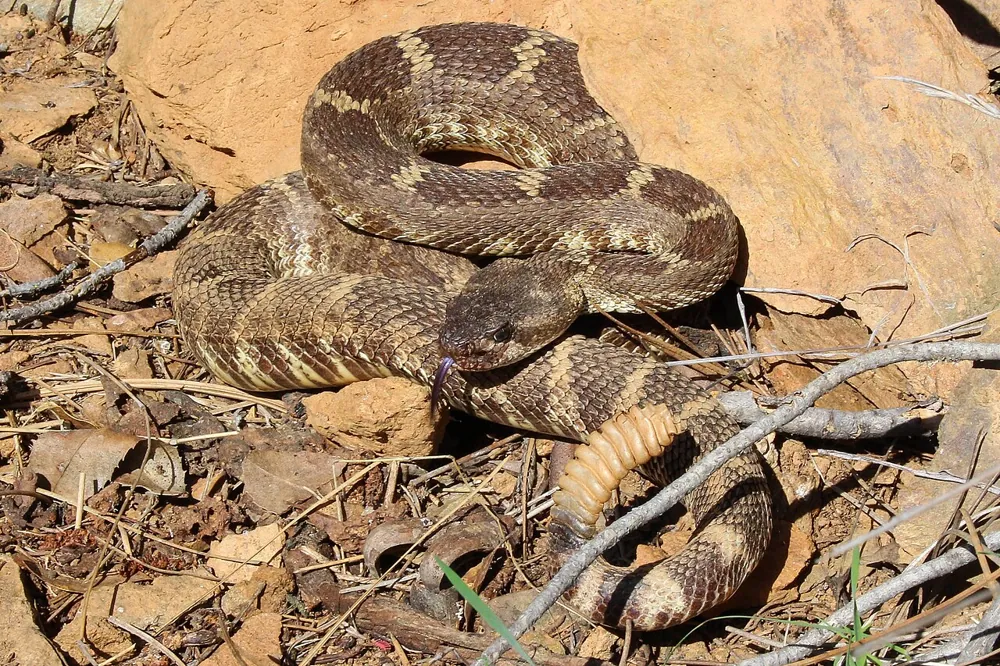
The Western rattlesnake is a venomous pit viper that lives across western North America, from the Baja California Peninsula in Mexico to the southern interior of British Columbia in Canada. It is one of only three rattlesnake species still found in Canada, which is why its populations there matter.1



 Maziviro ayo
- Ground colour is dark brown, dark grey, olive-brown, or sometimes black or pale yellowish.1
- Large dark blotches run along the back, with uneven white edges, and are wider than the gaps between them.1
- A dark brown stripe with a white border runs from the eye to the angle of the jaw.1
- The belly is pale yellow, usually with brown spots.1
- Juveniles have clearer patterns that fade as the snake matures. The last two tail rings, at the base of the tail, are usually black.1
Simba reuturu
Uturu hunobuda nemeno ayo painoruma.
Uturu hwayo hunoitei?
Its venom is both hemotoxic, meaning it damages blood and tissue, and neurotoxic, meaning it affects the nerves. In prey, it can cause paralysis, which stops the animal escaping. In people it is linked with cardiovascular effects, internal bleeding and headaches.1
Ine ngozi yakadii kuvanhu?
Ngozi kuvanhu: YakakombaKurumwa kunoda chiremba. Kufa hakuwanzoitiki zvachose. Kana ikaruma
- Chengeta munhu asingafambe uye akadzikama, chengeta nhengo yakarumwa yakaenzana nemwoyo, bvisa mhete nezvinhu zvakasunga, uende kuchipatara nokukurumidza.
Gara uchitanga wafonera nhamba yechimbichimbi (112, 000, 911). Iri izano rakajairika rerubatsiro rwekutanga, kwete zano rechiremba. Zvakakosha zverubatsiro rwekutanga
 Gara wakachengeteka
- Usambobata mhuka yesango, kuedza kuitora kana kuinetsa, kunyange iri diki, uye kunyange ichiita seyakarara kana yakafa.
- Ipa nzvimbo. Kana ukasangana nayo, dzikama, dzokera shure zvishoma nezvishoma uirege iende nenzira yayo.
- Kana imwe ikakuruma: dzikama, gara wakanyarara, fonera nhamba yechimbichimbi (112, 000, 911) kana kuti enda kuchipatara nokukurumidza. Rangarira kuti yaitaridzika sei, mufananidzo unobatsira.
Haisi kukutsvaga. Inoshandisa uturu hwayo kubata chikafu kana kuzvidzivirira, uye inotonyanya kuda kuhwanda. Zvimwe pamusoro pekugara wakachengeteka
Yakakura sei?
Yakareba zvakadii?
 yakareba sekatsi dzepamba 3 kubva pamhuno kusvika kumuswe
 yakareba semabhanana 9 akateedzana
 inogona kumhanya mamita 100 mumasekondi 97 (munhu anomhanyisa kupfuura vose anoda 9.6)
Western rattlesnake yakakura sei kana yaenzaniswa NEWE?
Masvomhu chete mubrowser yako. Hapana chinochengetwa kana kutumirwa kupi zvako.
Inomhanya zvakadii?


Chokwadi
Its size depends on where it lives and on its diet. Snakes that eat lizards are much smaller than those that eat birds and mammals.1
The largest recorded Western rattlesnake measured 162.6 cm, but mainland adults often reach about 100 cm.1
It makes seasonal migrations between winter and summer habitats to follow its prey.1
Mating snakes are very sensitive to disturbance and quickly separate.1
Most females breed every two years, although about 10% breed in two years in a row.1
Kune nyanzvi dzeuturu
- Zita resainzi
- Crotalus oreganus
- Boka
- Marattlesnake
- Mhuri
- Viperidae2
- Odha
- Squamata
- Makondinendi
- Amerika yeKuchamhembe
- Vacheche
- It gives birth to live young, usually 3 to 8 per litter (1 to 15 is the range), in August or September. Newborns are about 19 to 28 cm long.1
- Iri kurarama sei musango
- Threatened in Canada (Schedule 1 federally threatened under Canada's Species at Risk Act). Previously listed as Least Concern on the IUCN Red List.1
- Ngozi kuvanhu
- 3 / 5: Yakakomba3
Kwakabva chokwadi
- Crotalus oreganus (Wikipedia (CC BY-SA 4.0))
- Crotalus oreganus (iNaturalist): mazita nekurongwa kwemhuka.
- Venom Wiki: danho rengozi, saizi yakajairika nekufungidzira kwekumhanya ndezvedu. Ona kuti tinozviwana sei: Matinoyera ngozi.
Chokwadi chimwe nechimwe pane peji rino chine nhamba inoratidza kwachakabva. Kana takakanganisa, ruregerero, tiri vanoda mhuka, kwete magazini yesainzi. Tiudze pa[email protected] tichazvigadzirisa.
 Chinyavada chine nzara! Venom Wiki iprojekiti yemunhu mumwe: yemahara, isina kushambadza uye isina zvinokuteedzera. Chipo chidiki chinobatsira kuti irambe iri paindaneti.Fudza chinyavada
 Eastern diamondback rattlesnake
 Timber rattlesnake
 Western diamondback rattlesnake
 Sidewinder
 Mojave rattlesnake
 Aruba rattlesnake
 Terciopelo
 Eastern coral snake
 Eyelash viper
 Arizona bark scorpion
 Brown recluse
 Cane toad