
 ኣፍሪቃ
ኣፍሪቃ እስያ
እስያ ኤውሮጳ
ኤውሮጳ ደቡብ ኣመሪካ
 ኣውስትራልያን ኦሽያንያን
 ኣንታርክቲካ
 ውቅያኖስ ፓሲፊክ
 ውቅያኖስ ኣትላንቲክ
 ህንዳዊ ውቅያኖስ
 ውቅያኖስ ኣርክቲክ
 ባሕሪ ሜዲተራንያን
 ቀይሕ ባሕሪ
 ባሕሪ ካሪብያን
 ባሕሪ ኮራል
 ባሕሪ ደቡብ ቻይና
 ባሕሪ ፊሊፒንስ
 ባሕሪ ኣንዳማን
 ባሕሪ ሰሜን
 ባሕሪ ቲሞርን ኣራፉራን
 ወሽመጥ ቤንጋል
 ወሽመጥ ካሊፎርንያ
Pine processionary
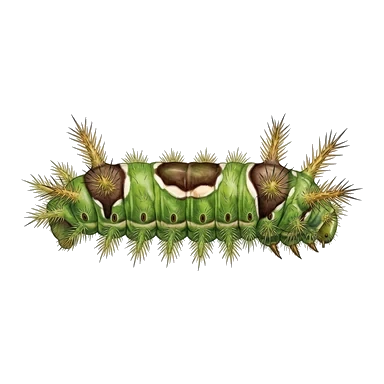 ዝነድፍ ጸጉሪ
The pine processionary is a moth whose caterpillars are famous for marching in long, nose-to-tail lines through pine woods. Their hairs cause painful rashes and eye irritation, and they can strip the needles from whole trees. It lives around the Mediterranean and is spreading north.1
 ብኸመይ ትፈልጦ
- Caterpillars are orange-brown and hairy, with blue bands.1
- Large silken nests in pine trees, often with several in one tree and signs of stripped needles.1
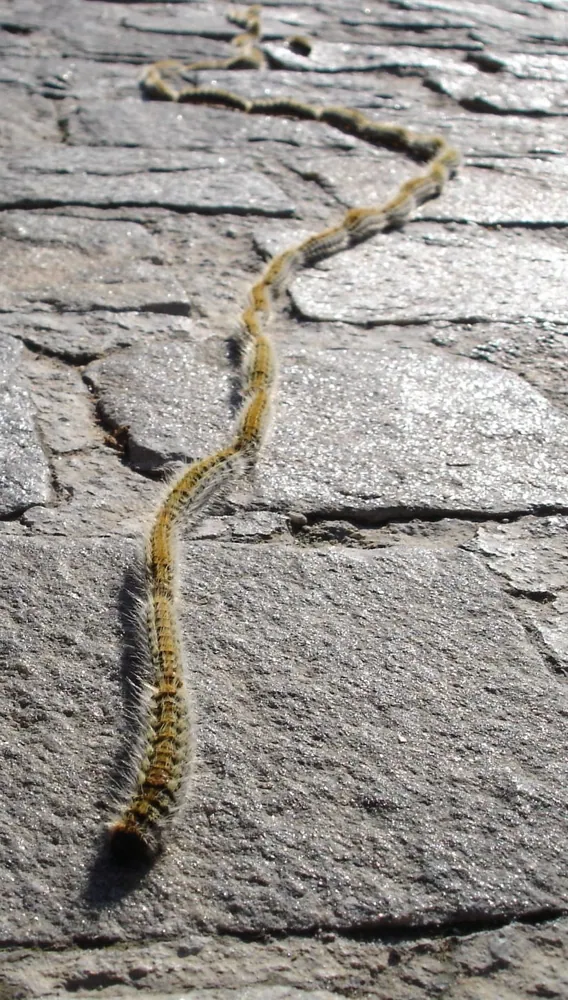
- Caterpillars move in single-file processions, usually at night and when leaving the tree to pupate.1
- Adults have predominantly light brown forewings with brown markings and white hindwings.1
- Adult males have a crescent marking on the wings and are larger than the oak processionary.1
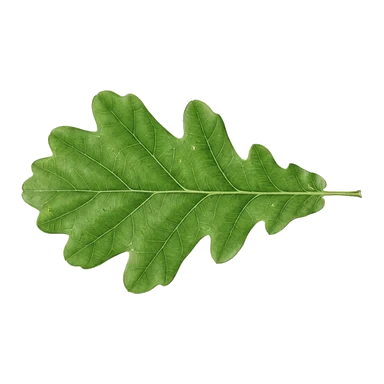
ብዙሕ ግዜ ዝደናገረሉ፦ The oak processionary (Thaumetopoea processionea) is smaller as an adult, has an indistinct wing marking rather than a crescent, and lives in broad-leaved rather than coniferous forests. The pale eggar moth has no crescent marking on its wings.1
ሓይሊ መርዚ
ንኣሽቱ ጸጉርታት ወይ ብሩሽ ኣብ ቆርበት ተሰይሮም ይነድፉ።
መርዙ (ክነኽስ ወይ ክነድፍ ከሎ) እንታይ ይገብር?
The species is not venomous. Its caterpillars have hairs containing an irritant chemical called thaumetopoein, which causes skin rashes (urticaria) and eye irritation on contact. Some people may have an allergic reaction. The hairs of fifth-stage larvae can also break off and spread across nearby exposed skin.1
ንሰባት ክንደይ ሓደገኛ እዩ?
ሓደጋ ንሰባት: ዘቐንዚብኣዝዩ ከቐንዚ ይኽእል፣ ግን ዳርጋ ፈጺሙ ከቢድ ኣይኮነን።Simple contact with the caterpillar hairs can cause severe rashes and eye irritation in humans and other mammals. Some individuals may have an allergic reaction.1
ምስ ፈርሀ እንታይ ይገብር?
When stressed or threatened, fifth-stage caterpillars eject harpoon-shaped hairs that irritate any exposed skin nearby.1
 ጸጉሩ እንተ ተንኪፍካ
- ንዝነድፍ ጸጉሪ ኣባጨጓሬ፦ ብዝጠብቕ ቴፕ ኣልዕሎ፣ ድሕሪኡ ነቲ ቆርበት ሕጸቦ። ኣይትደርዞ።
- ንንኽሳታት፦ ሕጸብን ኣዝሕልን። እቲ ሰብ ጥዕና እንተ ዘይተሰምዖ ወይ ደሙ ብቐሊሉ እንተ ፈሰሰ ሕክምናዊ ሓገዝ ርኸብ።
ኩሉ ግዜ ቀዳምነት ናብ ቁጽሪ ህጹጽ ረድኤት ደውል (112፣ 000፣ 911)። እዚ ሓፈሻዊ መምርሒ ቀዳማይ ረድኤት እዩ፣ ሕክምናዊ ምኽሪ ኣይኮነን። መሰረታት ቀዳማይ ረድኤት
 ብድሕንነት ጽናሕ
- ንዘገዳም እንስሳ ፈጺምካ ኣይትተንክፎ፣ ኣይትሓዞ ወይ ኣይተሕርቖ፣ ንእሽቶ እንተ ኾነ እውን፣ ደቂሱ ወይ ሞይቱ እንተ መሰለ እውን።
- ቦታ ሃቦ። እንተ ረኺብካዮ፣ ህዱእ ኹን፣ ቀስ ኢልካ ንድሕሪት ተመለስ፣ ናብ መገዱ ድማ ይኺድ ሕደጎ።
- ጸጉሩ እንተ ተንኪፍካ፦ ህዱእ ኹን፣ ከይተንቀሳቐስካ ጽናሕ፣ ናብ ቁጽሪ ህጹጽ ረድኤት (112፣ 000፣ 911) ደውል ወይ ብቕልጡፍ ናብ ሆስፒታል ኪድ። ከመይ ከም ዝመስል ዘክር፣ ስእሊ ይሕግዝ።
ንዓኻ ከጥቅዕ ኣይደልን እዩ። መርዙ ዝጥቀመሉ መግቢ ንምሓዝ ወይ ንርእሱ ንምክልኻል እዩ፣ ምሕባእ ድማ ኣዝዩ ይመርጽ። ብዛዕባ ድሕንነት ተወሳኺ
ክንደይ ዓቢ እዩ?
ክንደይ ይነውሕ?
 ኣስታት ከም መሓዝ ወረቐት ይነውሕ
 ካብ ቀንዲ-ኣውጣ ጀርዲን ዝደንጒ
Pine processionary ምሳኻ ክወዳደር ከሎ ክንደይ ዓቢ እዩ?
ኣብ ብራውዘርካ ዝስራሕ ሕሳብ ጥራይ። ዋላ ሓደ ነገር ኣይዕቀብን ናብ ዝኾነ ቦታ ድማ ኣይለኣኽን።
ክንደይ ቅልጡፍ እዩ?

ሓቅታት
Caterpillars in a procession hold together through touch from the caterpillar in front, which takes priority over the trail pheromone or silk.1
The caterpillars are one of the few temperate-zone insects whose larvae develop through the winter, living in silk nests high in pine trees.1
Adults live for only a single day, during which they mate and lay eggs.1
The Greek physician Dioscorides described the itching caused by this caterpillar in the 1st century AD, and Pliny the Elder recorded a treatment for it.1
Outbreaks are somewhat cyclical, with a period of 7 to 9 years.1
ጽውጽዋይ ዝሰብር
ጽውጽዋይ፦ Fabre's caterpillars marched in a circle around a flower pot only because they were trapped on its rim.
ሓቂ፦ Young caterpillars' circular trails continue for as long as 12 hours even when they are free on a flat surface.1
ንክኢላታት መርዚ
ሓቅታት ካበይ ይመጹ
- Pine processionary (Wikipedia (CC BY-SA 4.0))
- Thaumetopoea pityocampa (iNaturalist): ኣስማትን ምምዳብን።
- Venom Wiki: ደረጃ ሓደጋ፣ ልሙድ ዓቐንን ግምት ቅልጣፈን ናትና እዮም። ብኸመይ ከም እነውጽኦም ርአ፦ ሓደጋ ብኸመይ ንግምግም.
ኣብዚ ገጽ ዘሎ ነፍሲ ወከፍ ሓቂ ናብ ምንጩ ዘመልክት ቁጽሪ ኣለዎ። ገለ ነገር እንተ ተጋጊና፣ ይቕሬታ፣ ንሕና ፈተውቲ እንስሳታት ኢና፣ መጽሔት ሳይንስ ኣይኮንናን። ብ[email protected] ንገረና፣ ክነስተኻኽሎ ኢና።
 እቲ ዕንቅርቢ ጠምዩ! Venom Wiki ናይ ሓደ ሰብ ፕሮጀክት እዩ፦ ናጻ፣ ብዘይ ረኽላምን ብዘይ ሰዓብትን። ንእሽቶ ወፈያ ኣብ መስመር ክጸንሕ ይሕግዞ።ንዕንቅርቢ ኣብልዖ
 Oak processionary
 White-spotted assassin bug
 Common bombardier beetle
 Asian giant water bug
 Blue-striped nettle grub
 Brown-tail moth
 Common European adder
 Spanish fly
 Common wasp
 European hornet
 Fire salamander
 Western honey bee