
 Aforika
 Asia
Asia Yuropa
 Amerika Borwa
 Australia le Oceania
 Antarctica
 Lewatle la Pacific
 Lewatle la Atlantic
 Lewatle la India
 Lewatle la Arctic
 Lewatle la Mediterranean
 Lewatle le Lehibidu
 Lewatle la Caribbean
 Lewatle la Coral
 Lewatle la China Borwa
 Lewatle la Philippines
 Lewatle la Andaman
 Lewatle la Bokone
 Lewatle la Timor le la Arafura
 Kou ya Bengal
 Gulf ya California
Lesser weever
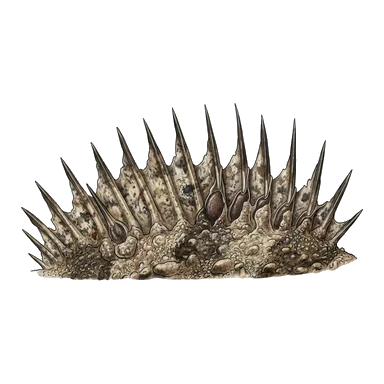 Mitlwa ya botlhole
The lesser weever is a small, venomous fish that lies buried in sand on the sea floor, often close to the shore. Its venom is strong, and it is considered one of Europe's most dangerous weever species because it lives near beaches where people swim.1
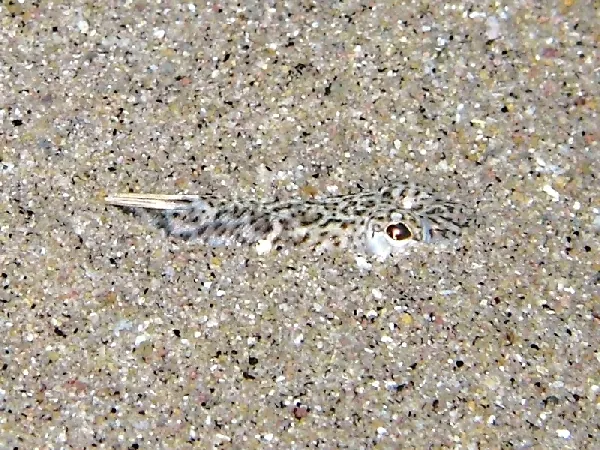
 Tsela ya go e lemoga
Maatla a botlhole
Mitlwa e e bogale e rwala botlhole. Go e gata kgotsa go e tshwara go a utlwisa botlhoko.
Botlhole jo e bo tsenyang bo dira eng?
The venom contains trachinine, a cytolysin (a substance that breaks down cells), along with serotonin, histamine-releasing substances and various enzymes. The sting causes acute and intense pain that often spreads to the area around the limb, and it peaks about 30 minutes after the sting. Swelling, redness, numbness, tingling, nausea and vomiting are common, and rare severe effects include abnormal heart rhythms, seizures, decreased blood pressure and unconsciousness.1
E kotsi go le kae go batho?
Kotsi go batho: E masisiFa mitlwa ya yone e go tlhaba, ya kwa ngakeng. Go swa go seoka thata.The lesser weever can sting swimmers badly if they disturb it in the water, and fishermen can be stung when cleaning their nets. Because of its venom and its occurrence near beaches, it is considered one of Europe's most dangerous weever species. Some pain may continue for up to 24 hours.1
E dira eng fa e tshogile?
It rests buried in the sand with only its eyes and the tip of its first dorsal fin exposed, and it stings when disturbed.1
 Fa mitlwa ya yone e go tlhaba
- Wash the wound, then immerse it in very hot water for at least an hour to ease the pain and help destroy the protein-based venom. The water should be 40 °C (104 °F) or as hot as the patient can tolerate. Reassure the patient that the sting is relatively harmless.1
- Tsenya ntho mo metsing a a mogote, a a bollo jo motho a ka bo itshokang a sa fiswe (a leke ka seatla sa gago pele), metsotso e le 30 go ya go 90. Batla thuso ya bongaka, bogolo jang go ditlhapi tsa lefika le distingrei.
Ka gale leletsa nomoro ya gago ya tshoganyetso pele (112, 000, 911). Se ke kaelo e e akaretsang ya thuso ya ntlha, ga se kgakololo ya bongaka. Motheo wa thuso ya ntlha
 Nna o babalesegile
- O se ka wa ama, wa tshwara kgotsa wa tshwenya phologolo ya naga, le fa e le e nnye, le fa e lebega e robetse kgotsa e sule.
- E fe sebaka. Fa o kopana le yone, ritibala, boela morago ka bonya mme o e tlogele e tsamaye ka tsela ya yone.
- Fa mitlwa ya yone e go tlhaba: ritibala, o se ka wa tshikinyega, leletsa nomoro ya gago ya tshoganyetso (112, 000, 911) kgotsa o ye bookelong ka bonako. Gopola gore e ne e lebega jang, setshwantsho se a thusa.
Ga e go batle. E dirisa botlhole jwa yone go tshwara dijo kgotsa go itshireletsa, mme e rata go iphitlha go feta. Go le gontsi ka go nna o babalesegile
Kae mo lefatsheng?
E kgolo go le kae?
E telele go le kae?
 boleele jo bo lekanang le diboloko tsa go aga tsa ditshamekisi di le 9 mo moleng
 e ka thuma boleele jwa bodiba jo bogolo jwa go thuma (50 m) ka metsotswana e le 43
Lesser weever e kgolo go le kae fa e bapisiwa le WENA?
Ke dipalo fela mo sefetleng sa gago (browser). Ga go sepe se se bolokwang kgotsa se se romelwang gope.
E bonako go le kae?
Dintlha
It has the most potent toxin of all the weevers.1
Pain from its sting usually peaks about 30 minutes after the sting.1
Its venom contains trachinine, a cytolysin that breaks down cells.1
Very rarely, sting pain spreads to the lymph nodes in the groin or armpit.1
Its venom glands are on the first dorsal fin and on the gill cover.1
Kwa dintlha di tswang teng
- Lesser weever (Wikipedia (CC BY-SA 4.0))
- Echiichthys vipera (iNaturalist): maina le thulaganyo ya mefuta.
- Venom Wiki: seelo sa kotsi, bogolo jo bo tlwaelegileng le kakanyo ya lebelo ke tsa rona. Bona kafa re di balang ka teng: Kafa re lekanyang kotsi ka teng.
Ntlha nngwe le nngwe mo tsebeng e e na le nomoro e e supang motswedi wa yone. Fa re dirile phoso, maitshwarelo, re barati ba diphologolo, e seng kgatiso ya saense. Re bolelele kwa [email protected] mme re tla e baakanya.
 Phepheng e tshwerwe ke tlala! Venom Wiki ke porojeke ya motho a le mongwe: ke mahala, ga e na dipapatso le ditraka. Mpho e nnye e thusa go e tshegetsa mo inthaneteng.Fepa phepheng
Tse dingwe tsa setlhopha se se tshwanang: Ditlhapi tse di tsenyang botlhole
 Reef stonefishDitlhapi tse di tsenyang botlholeE ka bolayaO se ka wa ama
 Red lionfishDitlhapi tse di tsenyang botlholeE tlhoka ngakaO se ka wa ama
 Estuarine stonefishDitlhapi tse di tsenyang botlholeE ka bolayaO se ka wa ama
 Short-tail stingrayDitlhapi tse di tsenyang botlholeE ka bolaya
 Striped eel catfishDitlhapi tse di tsenyang botlholeE ka bolayaO se ka wa ama
 Bluespotted ribbontail rayDitlhapi tse di tsenyang botlholeE tlhoka ngaka
E tshela gape kwa: Lewatle la Atlantic
 Hawksbill sea turtleDiphologolo tse dingwe tse di botlhole go di ama kgotsa go di jaE ka bolaya
 Portuguese man o' warDijelifishi le dibopiwa tsa lewatle tse di tlhabangE tlhoka ngakaO se ka wa ama
 Blue sea dragonDikgopa tsa khouno le diokotopaseE utlwisa botlhoko fela
 Greenland sharkDiphologolo tse dingwe tse di botlhole go di ama kgotsa go di jaE utlwisa botlhoko fela
 Lion's mane jellyfishDijelifishi le dibopiwa tsa lewatle tse di tlhabangE utlwisa botlhoko felaO se ka wa ama
 Common octopusDikgopa tsa khouno le diokotopaseGa e na kotsi