
 Áfíríkà
 Éṣíà
Éṣíà Yúróòpù
 Gúúsù Amẹ́ríkà
 Ọsirélíà àti Òṣéáníà
 Antáktíkà
 Òkun Pàsífíìkì
 Òkun Àtìláńtíìkì
 Òkun Íńdíà
 Òkun Áktíkì
 Òkun Mẹditaréníà
 Òkun Pupa
 Òkun Káríbíànù
 Òkun Coral
 Òkun Gúúsù Ṣáínà
 Òkun Fílípínì
 Òkun Andaman
 Òkun Àríwá
 Òkun Tímọ̀ àti Òkun Àráfúrà
 Ìyawọlẹ̀ Òkun Bẹ̀ngál
 Ìyawọlẹ̀ Òkun Kalifọ́níà
Desert death adder
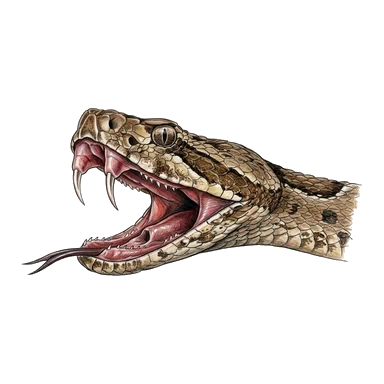 Ìbùjẹ
ÌbùjẹThe desert death adder is a venomous snake that lives in remote parts of Australia. It is one of the most venomous land snakes in the world. It hunts lizards and small mammals, and it gives birth to live young.1
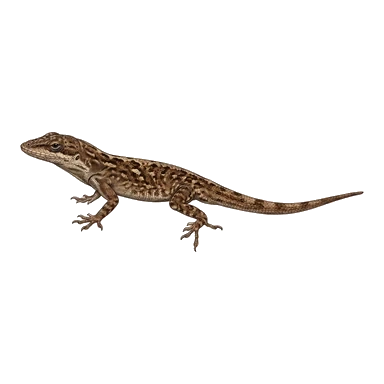
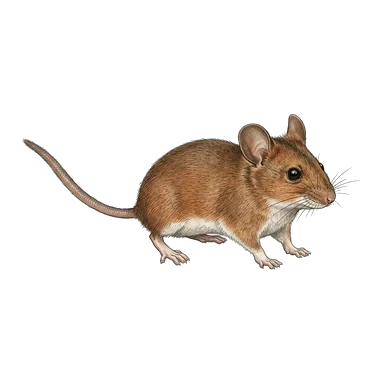
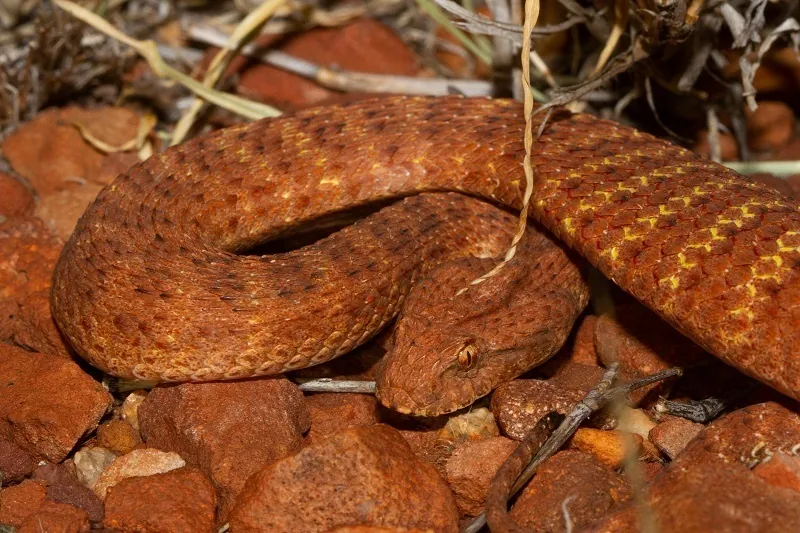
 Bí o ṣe lè dá a mọ̀
- Coloured brick-red or yellow-reddish, with strong or inconspicuous yellow bands that blend in with the surroundings1
- Short, thick body with a triangular head and a thin, tapering tail1
- Flattened appearance1
- The tail tip is distinctly darker in colour1
- Grows to lengths up to 70 cm1
A sábà máa ń ṣì í mọ̀ sí: The desert death adder is closely related to the common or southern death adder, which is found in a different range.1
Agbára oró
Oró ń jáde láti inú eyín oró tàbí eyín rẹ̀ nígbà tí ó bá bùjẹ.
Kí ni oró rẹ̀ máa ń ṣe?
Desert death adders have large fangs and produce a considerable quantity of toxic venom. The venom is mainly neurotoxic, which means it attacks the nerves. It once had a 50% mortality rate.1
Báwo ló ṣe léwu tó fún ènìyàn?
Ewu fún ènìyàn: Ó léwu gan-anÓ lè pa ènìyàn tí kò bá rí ìtọ́jú.The desert death adder is one of the most venomous land snakes in the world and is regarded as very dangerous. Its venom rarely causes snake bites in Australia today. Its fangs are longer than those of most of Australia's venomous snakes.1
Kí ni ó máa ń ṣe nígbà tí ẹ̀rù bá bà á?
The desert death adder bites only when a threat or prey is very close. Its colours help it blend in with its surroundings.1
 Bí ó bá bùjẹ
- Dídì pẹ̀lú ìfúnpá láìmira (pressure immobilisation): fi bándéèjì rọ́bà (elastic) tó le wé ibi ìbùjẹ náà, lẹ́yìn náà wé e sókè títí bo gbogbo apá tàbí ẹsẹ̀ náà, fi igi ìdábùú (splint) dì í, kí o sì jẹ́ kí ẹni náà wà láìmira rárá títí ìrànlọ́wọ́ yóò fi dé.
- Má ṣe fọ ibi ìbùjẹ náà: ilé ìwòsàn lè ṣàyẹ̀wò oró tó kù lára awọ láti yan oògùn apa-oró (antivenom) tó tọ́.
Máa kọ́kọ́ pe nọ́ńbà pàjáwìrì rẹ nígbà gbogbo (112, 000, 911). Èyí jẹ́ ìtọ́sọ́nà ìtọ́jú àkọ́kọ́ gbogbogbò, kì í ṣe ìmọ̀ràn ìṣègùn. Ìpìlẹ̀ ìtọ́jú àkọ́kọ́
 Wà láìléwu
- Má ṣe fọwọ́ kan, mú tàbí yọ ẹranko igbó lẹ́nu láéláé, kódà bí ó bá kéré, kódà bí ó bá dà bí ẹni pé ó ń sùn tàbí ó ti kú.
- Fún un ní àyè. Bí o bá pàdé ọ̀kan, farabalẹ̀, sẹ́yìn díẹ̀díẹ̀ kí o sì jẹ́ kí ó máa bá ọ̀nà rẹ̀ lọ.
- Bí ọ̀kan bá bù ọ́ jẹ: farabalẹ̀, má ṣe mira, pe nọ́ńbà pàjáwìrì rẹ (112, 000, 911) tàbí lọ sí ilé ìwòsàn kíákíá. Rántí bí ó ṣe rí, fọ́tò máa ń ṣèrànwọ́.
Kò wá ọ kiri láti ṣe ọ́ léṣe. Ó ń lo oró rẹ̀ láti mú oúnjẹ tàbí láti dáàbò bo ara rẹ̀, ó sì fẹ́ràn láti farapamọ́ jù. Sí i nípa wíwà láìléwu
Báwo ló ṣe tóbi tó?
Báwo ló ṣe gùn tó?
 ó gùn tó ọ̀gẹ̀dẹ̀ 4 tí a tò tẹ̀léra
 lè sáré mítà 100 ní ìṣẹ́jú-àáyá 58 (ènìyàn tó yára jùlọ nílò 9.6)
Báwo ni Desert death adder ṣe tóbi tó tí a bá fi wé ÌWỌ?
Ìṣirò nìkan nínú bráwúsà rẹ. A kò fi ohunkóhun pamọ́, a kò sì fi ránṣẹ́ sí ibikíbi.
Báwo ló ṣe yára tó?


Òtítọ́
The tip of its tail works as a lure. It looks like a worm or caterpillar, which tempts passing lizards.1
Its fangs are longer than those of most of Australia's venomous snakes.1
Unlike most other snakes, it gives birth to live young.1
It is most active after dark and is only occasionally seen during the day.1
Fún àwọn amòye oró
- Orúkọ sáyẹ́ǹsì
- Acanthophis pyrrhus
- Ẹgbẹ́
- Àwọn ejò Ọsirélíà
- Ìdílé
- Elapidae2
- Ètò
- Squamata
- Àwọn kọ́ńtínẹ́ńtì
- Ọsirélíà àti Òṣéáníà
- Àwọn ọmọ
- It gives birth to live young, up to 13 in each litter. Mating happens in spring or early summer, and the young are born in late summer or early autumn.1
- Bí ó ṣe ń ṣe nínú igbó
- Under threat, mainly due to habitat destruction1
- Ewu fún ènìyàn
- 4 / 5: Ó léwu gan-an3
Ibi tí àwọn òtítọ́ ti wá
- Desert death adder (Wikipedia (CC BY-SA 4.0))
- Acanthophis pyrrhus (iNaturalist): orúkọ àti ìpínsísọ̀rí.
- Venom Wiki: ìpele ewu, ìtóbi déédé àti àfojúbù ìyára jẹ́ tiwa. Wo bí a ṣe ń ṣírò wọn: Bí a ṣe ń díwọ̀n ewu.
Gbogbo òtítọ́ ojú-ìwé yìí ní nọ́ńbà tó tọ́ka sí orísun rẹ̀. Bí a bá ṣe àṣìṣe, má bínú, olólùfẹ́ ẹranko ni wá, kì í ṣe ìwé ìròyìn sáyẹ́ǹsì. Sọ fún wa ní [email protected] a ó sì tún un ṣe.
 Ebi ń pa àkekèé! Iṣẹ́ akanṣe ẹnì kan ṣoṣo ni Venom Wiki: ọ̀fẹ́ ni, kò sí ìpolówó, kò sì sí olùtọpinpin. Ẹ̀bùn kékeré ń ràn án lọ́wọ́ láti wà lórí íńtánẹ́ẹ̀tì.Bọ́ àkekèé
Sí i láti inú ẹgbẹ́ kan náà: Àwọn ejò Ọsirélíà
 Coastal taipan
 Common death adder
 Eastern brown snake
 Ejò taipan inú ilẹ̀
 Ejò ẹkùn
 Collett's snake
Ó tún ń gbé ní: Ọsirélíà àti Òṣéáníà
 Sydney funnel-web spiderTarantula àti funnel-webApani
 Redback spiderAlántakùnÓ nílò dókítà
 Brown tree snakeEjò oníyín ẹ̀yìnÓ kàn ń dunni
 Hooded pitohuiÀwọn ẹranko onímájèlé mìírànÓ kàn ń dunniMá ṣe fọwọ́ kàn án
 PlatypusẸranko afọmúbọ́mọ olóróÓ kàn ń dunni
 Northern tree-dwelling funnel-web spiderTarantula àti funnel-webApani