
 Áfíríkà
 Éṣíà
Éṣíà Yúróòpù
 Gúúsù Amẹ́ríkà
 Ọsirélíà àti Òṣéáníà
 Antáktíkà
 Òkun Pàsífíìkì
 Òkun Àtìláńtíìkì
 Òkun Íńdíà
 Òkun Áktíkì
 Òkun Mẹditaréníà
 Òkun Pupa
 Òkun Káríbíànù
 Òkun Coral
 Òkun Gúúsù Ṣáínà
 Òkun Fílípínì
 Òkun Andaman
 Òkun Àríwá
 Òkun Tímọ̀ àti Òkun Àráfúrà
 Ìyawọlẹ̀ Òkun Bẹ̀ngál
 Ìyawọlẹ̀ Òkun Kalifọ́níà
Hardhead catfish
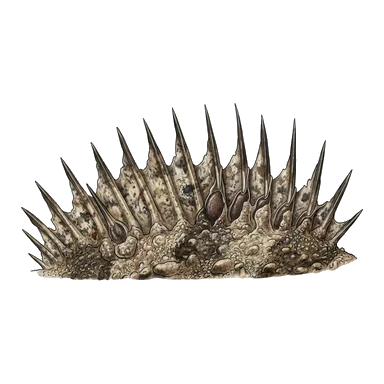 Ẹ̀gún olóró
The hardhead catfish is a sea catfish that lives in shallow coastal waters of the northwest Atlantic and the Gulf of Mexico. It has sharp spines on its fins that can be venomous, so it is one to admire from a distance. Male hardhead catfish also carry their eggs in their mouths until they hatch.1
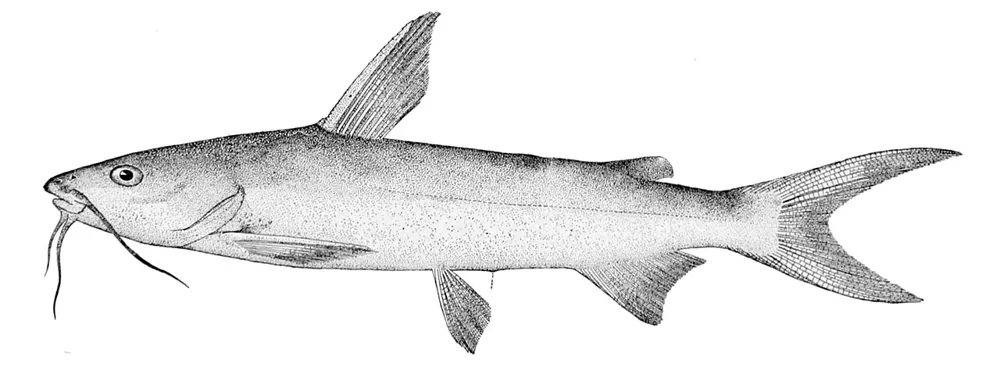
 Bí o ṣe lè dá a mọ̀
- Often dirty grey on top with white underneath.1
- Four barbels (whisker-like feelers) under the chin and two more at the corners of the mouth.1
- A hard, bony plate between the eyes and the dorsal fin.1
- Sharp, barbed, slime-covered spines on the dorsal and pectoral fins. The dorsal spine stands upright when the fish is excited.1
- Typically 25 to 30 cm long, and elongated in shape.1
A sábà máa ń ṣì í mọ̀ sí: The gafftopsail catfish looks very similar. The difference is that its dorsal and pectoral spines have a fleshy extension, like the fore-and-aft topsail of a ship.1
Agbára oró
Ẹ̀gún mímú ló ń gbé oró náà. Títẹ̀ ẹ́ mọ́lẹ̀ tàbí dídì í mú máa ń dunni.
Báwo ló ṣe léwu tó fún ènìyàn?
Ewu fún ènìyàn: Ó ń dunniÓ lè dunni gan-an, ṣùgbọ́n kì í fẹ́rẹ̀ẹ́ le rárá.No bite or death figures are given. Anglers generally avoid catching it because of the risk from handling the fish and its spines, and because its flesh tastes fishy compared with popular game fish.1
Kí ni ó máa ń ṣe nígbà tí ẹ̀rù bá bà á?
When it feels threatened or excited, its dorsal spine stands upright, and its sharp, slime-covered spines are its main defence.1
 Bí ẹ̀gún rẹ̀ bá gún ọ
- Fi ọgbẹ́ náà sínú omi gbígbóná, tó gbóná tó bí ẹni náà ṣe lè fara dà á láìjóná (fi ọwọ́ ara rẹ dán an wò), fún ìṣẹ́jú 30 sí 90. Wá ìrànlọ́wọ́ ìṣègùn, pàápàá fún ẹja òkúta àti stingray.
Máa kọ́kọ́ pe nọ́ńbà pàjáwìrì rẹ nígbà gbogbo (112, 000, 911). Èyí jẹ́ ìtọ́sọ́nà ìtọ́jú àkọ́kọ́ gbogbogbò, kì í ṣe ìmọ̀ràn ìṣègùn. Ìpìlẹ̀ ìtọ́jú àkọ́kọ́
 Wà láìléwu
- Má ṣe fọwọ́ kan, mú tàbí yọ ẹranko igbó lẹ́nu láéláé, kódà bí ó bá kéré, kódà bí ó bá dà bí ẹni pé ó ń sùn tàbí ó ti kú.
- Fún un ní àyè. Bí o bá pàdé ọ̀kan, farabalẹ̀, sẹ́yìn díẹ̀díẹ̀ kí o sì jẹ́ kí ó máa bá ọ̀nà rẹ̀ lọ.
- Bí ẹ̀gún rẹ̀ bá gún ọ: farabalẹ̀, má ṣe mira, pe nọ́ńbà pàjáwìrì rẹ (112, 000, 911) tàbí lọ sí ilé ìwòsàn kíákíá. Rántí bí ó ṣe rí, fọ́tò máa ń ṣèrànwọ́.
Kò wá ọ kiri láti ṣe ọ́ léṣe. Ó ń lo oró rẹ̀ láti mú oúnjẹ tàbí láti dáàbò bo ara rẹ̀, ó sì fẹ́ràn láti farapamọ́ jù. Sí i nípa wíwà láìléwu
Níbo ní ayé?
Báwo ló ṣe tóbi tó?
Báwo ló ṣe gùn tó?
Báwo ló ṣe wúwo tó?
 ó gùn tó ọ̀gẹ̀dẹ̀ 4 tí a tò tẹ̀léra
 ó wúwo tó ológbò ilé
 lè lúwẹ̀ẹ́ gígùn adágún ìwẹ̀ ńlá (50 m) ní ìṣẹ́jú-àáyá 30
Báwo ni Hardhead catfish ṣe tóbi tó tí a bá fi wé ÌWỌ?
Ìṣirò nìkan nínú bráwúsà rẹ. A kò fi ohunkóhun pamọ́, a kò sì fi ránṣẹ́ sí ibikíbi.
Báwo ló ṣe yára tó?
Òtítọ́
Male hardhead catfish are paternal mouthbrooders: they keep the eggs and young in their mouths, and do not feed while doing so.1
Some researchers suggest they may use low-frequency sounds to detect and avoid close obstacles, which is an unusual ability for a fish.1
They can make sounds by vibrating thin bones near the swim bladder, and by grinding their throat teeth or rubbing their pectoral spines. These sounds appear to be a fright response.1
Hardhead catfish respond to chemical alarm signals released by injured members of their own species, with their activity increasing right after the signal. They are the first marine catfish found to show this type of alarm reaction.1
They can live for over 24 years.1
Fún àwọn amòye oró
- Orúkọ sáyẹ́ǹsì
- Ariopsis felis
- Ẹgbẹ́
- Ẹja olóró
- Ìdílé
- Ariidae2
- Ètò
- Siluriformes
- Àwọn kọ́ńtínẹ́ńtì
- Òkun Àtìláńtíìkì, Ìyawọlẹ̀ Òkun Mẹ́síkò, Òkun Káríbíànù, Àwọn òkun ńlá
- Àwọn ọmọ
- The male carries the eggs in his mouth until they hatch, which takes roughly 8 to 11 weeks in total. Females have 20 to 65 eggs per spawning.1
- Ọjọ́ ayé
- nǹkan bí ọdún 241
- Ewu fún ènìyàn
- 2 / 5: Ó ń dunni3
Ibi tí àwọn òtítọ́ ti wá
- Hardhead catfish (Wikipedia (CC BY-SA 4.0))
- Ariopsis felis (iNaturalist): orúkọ àti ìpínsísọ̀rí.
- Venom Wiki: ìpele ewu, ìtóbi déédé àti àfojúbù ìyára jẹ́ tiwa. Wo bí a ṣe ń ṣírò wọn: Bí a ṣe ń díwọ̀n ewu.
Gbogbo òtítọ́ ojú-ìwé yìí ní nọ́ńbà tó tọ́ka sí orísun rẹ̀. Bí a bá ṣe àṣìṣe, má bínú, olólùfẹ́ ẹranko ni wá, kì í ṣe ìwé ìròyìn sáyẹ́ǹsì. Sọ fún wa ní [email protected] a ó sì tún un ṣe.
 Ebi ń pa àkekèé! Iṣẹ́ akanṣe ẹnì kan ṣoṣo ni Venom Wiki: ọ̀fẹ́ ni, kò sí ìpolówó, kò sì sí olùtọpinpin. Ẹ̀bùn kékeré ń ràn án lọ́wọ́ láti wà lórí íńtánẹ́ẹ̀tì.Bọ́ àkekèé
Sí i láti inú ẹgbẹ́ kan náà: Ẹja olóró
 Reef stonefish
 Red lionfish
 Estuarine stonefish
 Short-tail stingray
 Striped eel catfish
 Bluespotted ribbontail ray
Ó tún ń gbé ní: Òkun Àtìláńtíìkì
 Hawksbill sea turtleÀwọn ẹranko onímájèlé mìírànÓ lè pani
 Portuguese man o' warJellyfish àti àwọn ẹ̀dá òkun tó ń ta niÓ nílò dókítàMá ṣe fọwọ́ kàn án
 Blue sea dragonÌgbín cone àti octopusÓ kàn ń dunni
 Greenland sharkÀwọn ẹranko onímájèlé mìírànÓ kàn ń dunni
 Lion's mane jellyfishJellyfish àti àwọn ẹ̀dá òkun tó ń ta niÓ kàn ń dunniMá ṣe fọwọ́ kàn án
 Common octopusÌgbín cone àti octopusAláìléwu