
 Áfíríkà
 Éṣíà
Éṣíà Yúróòpù
 Gúúsù Amẹ́ríkà
 Ọsirélíà àti Òṣéáníà
 Antáktíkà
 Òkun Pàsífíìkì
 Òkun Àtìláńtíìkì
 Òkun Íńdíà
 Òkun Áktíkì
 Òkun Mẹditaréníà
 Òkun Pupa
 Òkun Káríbíànù
 Òkun Coral
 Òkun Gúúsù Ṣáínà
 Òkun Fílípínì
 Òkun Andaman
 Òkun Àríwá
 Òkun Tímọ̀ àti Òkun Àráfúrà
 Ìyawọlẹ̀ Òkun Bẹ̀ngál
 Ìyawọlẹ̀ Òkun Kalifọ́níà
Malayan krait
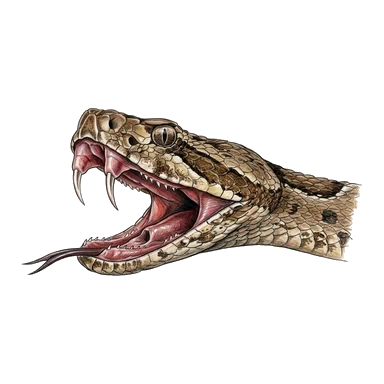 Ìbùjẹ
ÌbùjẹThe Malayan krait is a snake with dark bands on a pale body. It lives in Southeast Asia, from Indochina south to the Indonesian islands of Java and Bali. It is one of the most venomous snakes in its region, so it is important to know what it looks like.1
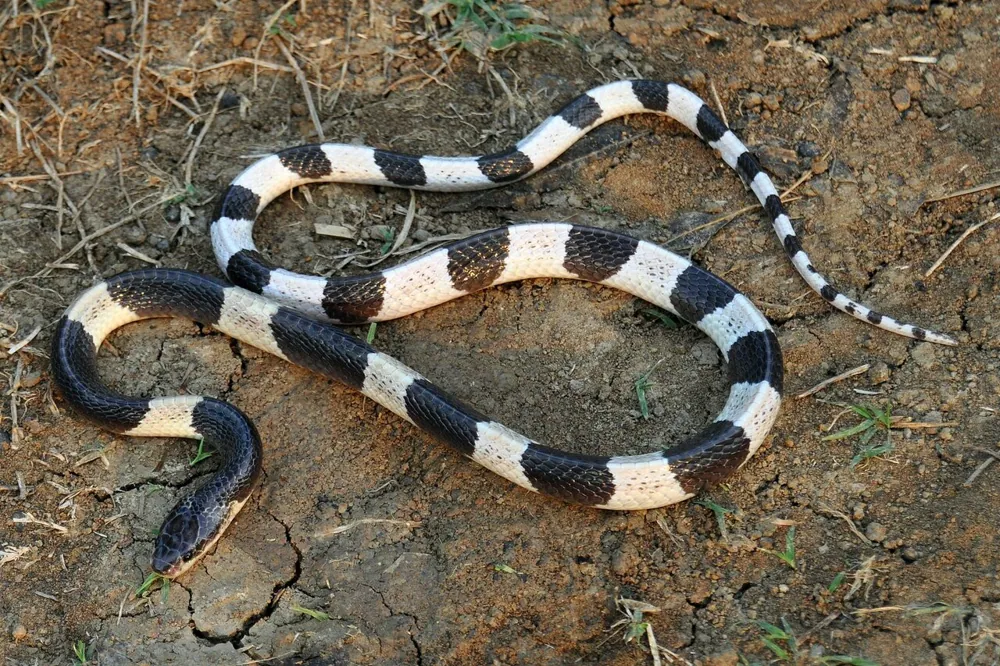
 Bí o ṣe lè dá a mọ̀
- Has 27 to 34 dark-brown, black or bluish-black crossbands running across the body and tail.1
- The dark bands are separated by broad, yellowish-white gaps, which may be spotted with black.1
- The belly is plain white.1
- Some populations, reportedly in West and Central Java, have an unbanded all-black form.1
- Can reach a total length of 108 cm, including a tail of about 16 cm.1
Agbára oró
Oró ń jáde láti inú eyín oró tàbí eyín rẹ̀ nígbà tí ó bá bùjẹ.
Kí ni oró rẹ̀ máa ń ṣe?
The venom is highly neurotoxic, meaning it attacks the nerves. Its main toxins are three-finger toxins and Kunitz-type inhibitors. These can cause progressive muscle paralysis that leads to respiratory failure, and in some cases heart and circulation problems such as high blood pressure and shock.1
Báwo ló ṣe léwu tó fún ènìyàn?
Ewu fún ènìyàn: ApaniỌ̀kan lára àwọn ẹranko tó léwu jùlọ ní ayé.The mortality rate is 60 to 70% in untreated humans. A bite injects about 5 mg of venom, and the lethal dose for a 75 kg adult is 1 mg.1
 Bí ó bá bùjẹ
- Jẹ́ kí ẹni náà wà láìmira kí ó sì farabalẹ̀, yọ òrùka àti àwọn nǹkan tó há, kí ẹ sì lọ sí ilé ìwòsàn kíákíá: oògùn apa-oró (antivenom) ni ìtọ́jú rẹ̀.
Máa kọ́kọ́ pe nọ́ńbà pàjáwìrì rẹ nígbà gbogbo (112, 000, 911). Èyí jẹ́ ìtọ́sọ́nà ìtọ́jú àkọ́kọ́ gbogbogbò, kì í ṣe ìmọ̀ràn ìṣègùn. Ìpìlẹ̀ ìtọ́jú àkọ́kọ́
 Wà láìléwu
- Má ṣe fọwọ́ kan, mú tàbí yọ ẹranko igbó lẹ́nu láéláé, kódà bí ó bá kéré, kódà bí ó bá dà bí ẹni pé ó ń sùn tàbí ó ti kú.
- Fún un ní àyè. Bí o bá pàdé ọ̀kan, farabalẹ̀, sẹ́yìn díẹ̀díẹ̀ kí o sì jẹ́ kí ó máa bá ọ̀nà rẹ̀ lọ.
- Bí ọ̀kan bá bù ọ́ jẹ: farabalẹ̀, má ṣe mira, pe nọ́ńbà pàjáwìrì rẹ (112, 000, 911) tàbí lọ sí ilé ìwòsàn kíákíá. Rántí bí ó ṣe rí, fọ́tò máa ń ṣèrànwọ́.
Kò wá ọ kiri láti ṣe ọ́ léṣe. Ó ń lo oró rẹ̀ láti mú oúnjẹ tàbí láti dáàbò bo ara rẹ̀, ó sì fẹ́ràn láti farapamọ́ jù. Sí i nípa wíwà láìléwu
Báwo ló ṣe tóbi tó?
Báwo ló ṣe gùn tó?
 ó gùn tó ológbò ilé 2 láti imú dé ìrù
 ó gùn tó ọ̀gẹ̀dẹ̀ 6 tí a tò tẹ̀léra
 lè sáré mítà 100 ní ìṣẹ́jú-àáyá 51 (ènìyàn tó yára jùlọ nílò 9.6)
Báwo ni Malayan krait ṣe tóbi tó tí a bá fi wé ÌWỌ?
Ìṣirò nìkan nínú bráwúsà rẹ. A kò fi ohunkóhun pamọ́, a kò sì fi ránṣẹ́ sí ibikíbi.
Báwo ló ṣe yára tó?


Òtítọ́
A typical bite injects about 5 mg of venom, which is far more than the 1 mg that is lethal for a 75 kg adult.1
The Malayan krait is an extremely venomous snake, and its bite can be fatal to humans if untreated.1
Its venom contains three-finger toxins and Kunitz-type inhibitors, which act on the nerves and muscles.1
Some populations, reportedly in West and Central Java, have an all-black form with no bands.1
Ibi tí àwọn òtítọ́ ti wá
- Bungarus candidus (Wikipedia (CC BY-SA 4.0))
- Bungarus candidus (iNaturalist): orúkọ àti ìpínsísọ̀rí.
- Venom Wiki: ìpele ewu, ìtóbi déédé àti àfojúbù ìyára jẹ́ tiwa. Wo bí a ṣe ń ṣírò wọn: Bí a ṣe ń díwọ̀n ewu.
Gbogbo òtítọ́ ojú-ìwé yìí ní nọ́ńbà tó tọ́ka sí orísun rẹ̀. Bí a bá ṣe àṣìṣe, má bínú, olólùfẹ́ ẹranko ni wá, kì í ṣe ìwé ìròyìn sáyẹ́ǹsì. Sọ fún wa ní [email protected] a ó sì tún un ṣe.
 Ebi ń pa àkekèé! Iṣẹ́ akanṣe ẹnì kan ṣoṣo ni Venom Wiki: ọ̀fẹ́ ni, kò sí ìpolówó, kò sì sí olùtọpinpin. Ẹ̀bùn kékeré ń ràn án lọ́wọ́ láti wà lórí íńtánẹ́ẹ̀tì.Bọ́ àkekèé
 Indian cobra
 King cobra
 Caspian cobra
 Common krait
 Many-banded krait
 Monocled cobra
 Deathstalker
 Indian saw-scaled viper
 Puff adder
 Paramọlẹ Russell
 Asian giant hornet
 Komodo dragon