
 Áfíríkà
 Éṣíà
Éṣíà Yúróòpù
 Gúúsù Amẹ́ríkà
 Ọsirélíà àti Òṣéáníà
 Antáktíkà
 Òkun Pàsífíìkì
 Òkun Àtìláńtíìkì
 Òkun Íńdíà
 Òkun Áktíkì
 Òkun Mẹditaréníà
 Òkun Pupa
 Òkun Káríbíànù
 Òkun Coral
 Òkun Gúúsù Ṣáínà
 Òkun Fílípínì
 Òkun Andaman
 Òkun Àríwá
 Òkun Tímọ̀ àti Òkun Àráfúrà
 Ìyawọlẹ̀ Òkun Bẹ̀ngál
 Ìyawọlẹ̀ Òkun Kalifọ́níà
Mamushi
 Ìbùjẹ
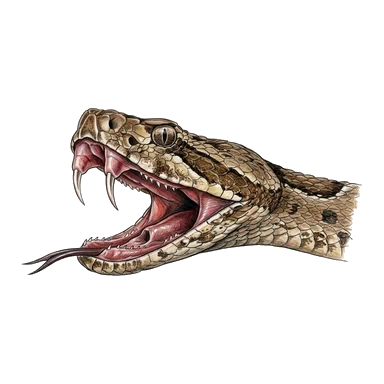
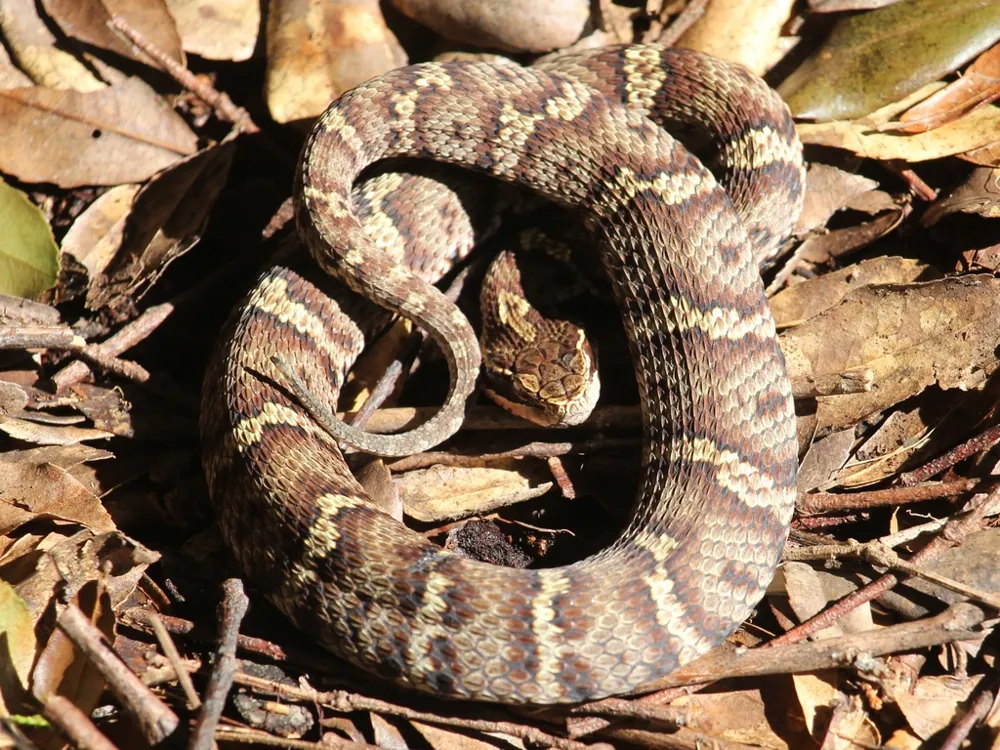
ÌbùjẹThe mamushi is a pit viper, a type of snake that has heat-sensing pits between its eyes and nostrils. It lives in Japan, in places such as swamps, meadows and farmland. It matters because its bite is one of the most dangerous of Japan's snakes.1
 Bí o ṣe lè dá a mọ̀
- Background colour is pale grey, reddish-brown or yellow-brown.1
- A series of irregular blotches runs along the body. Each blotch has a black border and often a lighter centre.1
- The head is dark brown or black, with beige or pale-grey sides.1
- Adults are typically 45 to 81 cm long.1
- It has excellent camouflage and often hides among plants or leaf litter.1
A sábà máa ń ṣì í mọ̀ sí: It is similar to the cottonmouths and copperheads (Agkistrodon) of the Americas, and it was long considered part of the same group.1
Agbára oró
Oró ń jáde láti inú eyín oró tàbí eyín rẹ̀ nígbà tí ó bá bùjẹ.
Kí ni oró rẹ̀ máa ń ṣe?
Its venom is mostly haemolytic, meaning it breaks down red blood cells. It also contains two neurotoxins, which attack the nerves, and an anticoagulant, which stops blood from clotting. Reported effects include kidney failure, visual disturbances and palsy (paralysis).1
Báwo ló ṣe léwu tó fún ènìyàn?
Ewu fún ènìyàn: Ó léwu gan-anÓ lè pa ènìyàn tí kò bá rí ìtọ́jú.About 2000 to 3000 people in Japan are bitten by a mamushi each year. Approximately 10 die annually. Severe bites require intensive care, and typical bite victims need about one week of hospital treatment.1
 Ìròyìn ayọ̀: àwọn dókítà ní oògùn (antivenom) tàbí ìtọ́jú fún èyí.1
 Bí ó bá bùjẹ
- Treatment is given in hospital. It involves cutting the wound to remove venom and injecting mamushi antivenom. Pregnant women who are bitten have had miscarriages, so medical care is essential.1
- Jẹ́ kí ẹni náà wà láìmira kí ó sì farabalẹ̀, jẹ́ kí apá tàbí ẹsẹ̀ tí ó bù jẹ wà ní ìpele ọkàn, yọ òrùka àti àwọn nǹkan tó há, kí ẹ sì lọ sí ilé ìwòsàn kíákíá.
Máa kọ́kọ́ pe nọ́ńbà pàjáwìrì rẹ nígbà gbogbo (112, 000, 911). Èyí jẹ́ ìtọ́sọ́nà ìtọ́jú àkọ́kọ́ gbogbogbò, kì í ṣe ìmọ̀ràn ìṣègùn. Ìpìlẹ̀ ìtọ́jú àkọ́kọ́
 Wà láìléwu
- Má ṣe fọwọ́ kan, mú tàbí yọ ẹranko igbó lẹ́nu láéláé, kódà bí ó bá kéré, kódà bí ó bá dà bí ẹni pé ó ń sùn tàbí ó ti kú.
- Fún un ní àyè. Bí o bá pàdé ọ̀kan, farabalẹ̀, sẹ́yìn díẹ̀díẹ̀ kí o sì jẹ́ kí ó máa bá ọ̀nà rẹ̀ lọ.
- Bí ọ̀kan bá bù ọ́ jẹ: farabalẹ̀, má ṣe mira, pe nọ́ńbà pàjáwìrì rẹ (112, 000, 911) tàbí lọ sí ilé ìwòsàn kíákíá. Rántí bí ó ṣe rí, fọ́tò máa ń ṣèrànwọ́.
Kò wá ọ kiri láti ṣe ọ́ léṣe. Ó ń lo oró rẹ̀ láti mú oúnjẹ tàbí láti dáàbò bo ara rẹ̀, ó sì fẹ́ràn láti farapamọ́ jù. Sí i nípa wíwà láìléwu
Báwo ló ṣe tóbi tó?
Báwo ló ṣe gùn tó?
 ó gùn tó ológbò ilé 1.5 láti imú dé ìrù
 ó gùn tó ọ̀gẹ̀dẹ̀ 5 tí a tò tẹ̀léra
 lè sáré mítà 100 ní ìṣẹ́jú-àáyá 110 (ènìyàn tó yára jùlọ nílò 9.6)
Báwo ni Mamushi ṣe tóbi tó tí a bá fi wé ÌWỌ?
Ìṣirò nìkan nínú bráwúsà rẹ. A kò fi ohunkóhun pamọ́, a kò sì fi ránṣẹ́ sí ibikíbi.
Báwo ló ṣe yára tó?


Òtítọ́
Recovery takes a long time. Bite victims may need several months to fully recover, even after hospital treatment and weeks of follow-up care.1
It is highly resistant to its own venom because its blood contains neutralising factors, including phospholipase A2 (PLA2) inhibitors.1
Its beta-toxin acts before the nerve junction, so anticholinesterase drugs cannot block or treat its effects.1
Its venom contains a peptide called ablomin, which is very similar in amino acid sequence to helothermine, a venom peptide of the Mexican beaded lizard.1
It is considered one of the most venomous snakes in Japan, along with the yamakagashi and the Okinawan habu.1
Its venom varies very little across Japan in either potency or effects.1
Ibi tí àwọn òtítọ́ ti wá
- Mamushi (Wikipedia (CC BY-SA 4.0))
- Gloydius blomhoffii (iNaturalist): orúkọ àti ìpínsísọ̀rí.
- Venom Wiki: ìpele ewu, ìtóbi déédé àti àfojúbù ìyára jẹ́ tiwa. Wo bí a ṣe ń ṣírò wọn: Bí a ṣe ń díwọ̀n ewu.
Gbogbo òtítọ́ ojú-ìwé yìí ní nọ́ńbà tó tọ́ka sí orísun rẹ̀. Bí a bá ṣe àṣìṣe, má bínú, olólùfẹ́ ẹranko ni wá, kì í ṣe ìwé ìròyìn sáyẹ́ǹsì. Sọ fún wa ní [email protected] a ó sì tún un ṣe.
 Ebi ń pa àkekèé! Iṣẹ́ akanṣe ẹnì kan ṣoṣo ni Venom Wiki: ọ̀fẹ́ ni, kò sí ìpolówó, kò sì sí olùtọpinpin. Ẹ̀bùn kékeré ń ràn án lọ́wọ́ láti wà lórí íńtánẹ́ẹ̀tì.Bọ́ àkekèé
 Brown spotted pit viper
 Habu
Habu Hump-nosed viper
 Hundred-pace viper
 Malayan pit viper
 Mangshan pit viper
 Deathstalker
 Indian cobra
 Indian saw-scaled viper
 King cobra
 Puff adder
 Paramọlẹ Russell