
 Áfíríkà
 Éṣíà
Éṣíà Yúróòpù
 Gúúsù Amẹ́ríkà
 Ọsirélíà àti Òṣéáníà
 Antáktíkà
 Òkun Pàsífíìkì
 Òkun Àtìláńtíìkì
 Òkun Íńdíà
 Òkun Áktíkì
 Òkun Mẹditaréníà
 Òkun Pupa
 Òkun Káríbíànù
 Òkun Coral
 Òkun Gúúsù Ṣáínà
 Òkun Fílípínì
 Òkun Andaman
 Òkun Àríwá
 Òkun Tímọ̀ àti Òkun Àráfúrà
 Ìyawọlẹ̀ Òkun Bẹ̀ngál
 Ìyawọlẹ̀ Òkun Kalifọ́níà
Marbled spinefoot
 Ẹ̀gún olóró
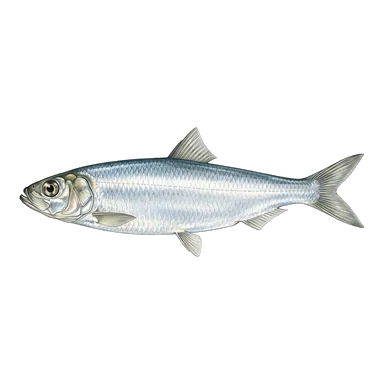
The marbled spinefoot is a shoaling fish that mostly eats algae. It lives in shallow warm seas in the Red Sea and western Indian Ocean, and it has spread into the Mediterranean. Its spines carry venom, so it is one to leave alone.1
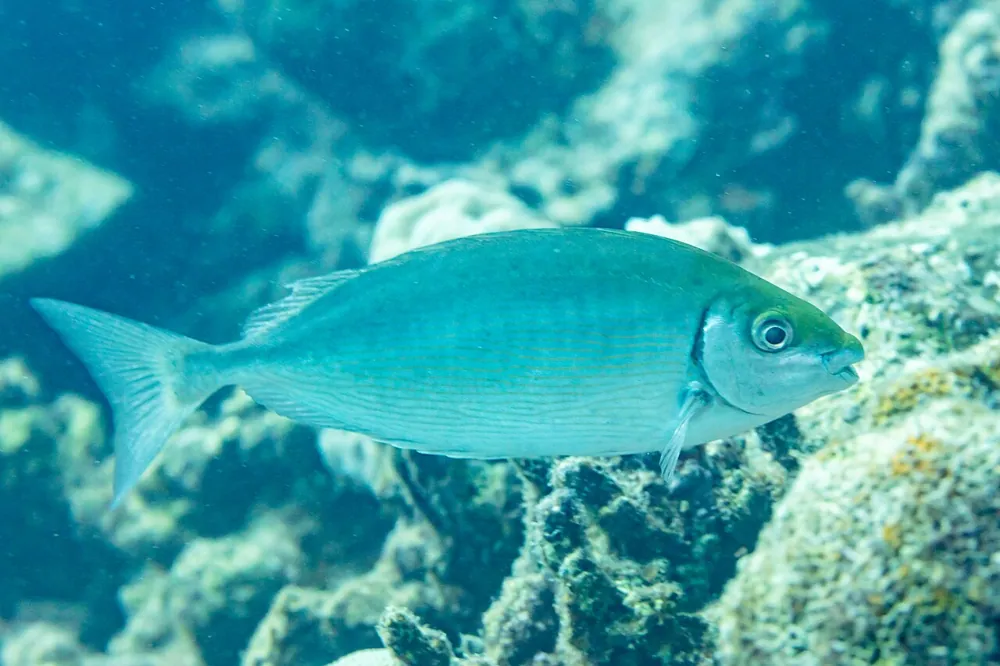
 Bí o ṣe lè dá a mọ̀
Agbára oró
Ẹ̀gún mímú ló ń gbé oró náà. Títẹ̀ ẹ́ mọ́lẹ̀ tàbí dídì í mú máa ń dunni.
Kí ni oró rẹ̀ máa ń ṣe?
The spines in the fins have venom glands at their base. The venom is a protein that is damaged by heat. The sting is very painful.1
Báwo ló ṣe léwu tó fún ènìyàn?
Ewu fún ènìyàn: Ó ń dunniÓ lè dunni gan-an, ṣùgbọ́n kì í fẹ́rẹ̀ẹ́ le rárá.The spines can inflict a painful sting if the fish is handled incorrectly. No deaths from its venom have been recorded. Separately, poisoning has been recorded in Israel after people ate its flesh, linked to fish caught in polluted water.1
Kí ni ó máa ń ṣe nígbà tí ẹ̀rù bá bà á?
Its spines are barbed and venomous, and they can injure anyone who handles the fish carelessly.1
 Bí ẹ̀gún rẹ̀ bá gún ọ
- The affected area should be treated with as high a temperature as possible, within 43 to 46 °C, because heat damages the venom. The person should also be checked for possible infection.1
- Fi ọgbẹ́ náà sínú omi gbígbóná, tó gbóná tó bí ẹni náà ṣe lè fara dà á láìjóná (fi ọwọ́ ara rẹ dán an wò), fún ìṣẹ́jú 30 sí 90. Wá ìrànlọ́wọ́ ìṣègùn, pàápàá fún ẹja òkúta àti stingray.
Máa kọ́kọ́ pe nọ́ńbà pàjáwìrì rẹ nígbà gbogbo (112, 000, 911). Èyí jẹ́ ìtọ́sọ́nà ìtọ́jú àkọ́kọ́ gbogbogbò, kì í ṣe ìmọ̀ràn ìṣègùn. Ìpìlẹ̀ ìtọ́jú àkọ́kọ́
 Wà láìléwu
- Má ṣe fọwọ́ kan, mú tàbí yọ ẹranko igbó lẹ́nu láéláé, kódà bí ó bá kéré, kódà bí ó bá dà bí ẹni pé ó ń sùn tàbí ó ti kú.
- Fún un ní àyè. Bí o bá pàdé ọ̀kan, farabalẹ̀, sẹ́yìn díẹ̀díẹ̀ kí o sì jẹ́ kí ó máa bá ọ̀nà rẹ̀ lọ.
- Bí ẹ̀gún rẹ̀ bá gún ọ: farabalẹ̀, má ṣe mira, pe nọ́ńbà pàjáwìrì rẹ (112, 000, 911) tàbí lọ sí ilé ìwòsàn kíákíá. Rántí bí ó ṣe rí, fọ́tò máa ń ṣèrànwọ́.
Kò wá ọ kiri láti ṣe ọ́ léṣe. Ó ń lo oró rẹ̀ láti mú oúnjẹ tàbí láti dáàbò bo ara rẹ̀, ó sì fẹ́ràn láti farapamọ́ jù. Sí i nípa wíwà láìléwu
Níbo ní ayé?
Báwo ló ṣe tóbi tó?
Báwo ló ṣe gùn tó?
 ó gùn tó ọ̀gẹ̀dẹ̀ 2 tí a tò tẹ̀léra
 ó gùn tó bíríkì ìṣeré 12 tí a tò sí ìlà kan
 lè lúwẹ̀ẹ́ gígùn adágún ìwẹ̀ ńlá (50 m) ní ìṣẹ́jú-àáyá 35
Báwo ni Marbled spinefoot ṣe tóbi tó tí a bá fi wé ÌWỌ?
Ìṣirò nìkan nínú bráwúsà rẹ. A kò fi ohunkóhun pamọ́, a kò sì fi ránṣẹ́ sí ibikíbi.
Báwo ló ṣe yára tó?
Òtítọ́
Some people have reported hallucinations after eating it.1
Eating its flesh has caused poisoning, and the toxins involved are similar to ciguatoxin.1
Its spines carry venom from glands at their base, so the fish can sting when it is handled.1
Adults can eat jellyfish, including comb jellies and moon jellyfish, in parts of the northern Red Sea.1
It reached the Mediterranean through the Suez Canal, first recorded off Palestine in 1927.1
It can be bred in captivity and is being studied as a farmed fish because it eats plant-based feed.1
Fún àwọn amòye oró
- Orúkọ sáyẹ́ǹsì
- Siganus rivulatus
- Ẹgbẹ́
- Ẹja olóró
- Ìdílé
- Siganidae2
- Ètò
- Acanthuriformes
- Àwọn kọ́ńtínẹ́ńtì
- Òkun Íńdíà, Òkun Pupa, Òkun Mẹditaréníà, Òkun Arébíà àti Ìyawọlẹ̀ Òkun Páṣíà, Àwọn òkun ńlá
- Àwọn ọmọ
- The fish lays eggs, which are fertilised outside the body. The eggs are 0.5 to 0.6 mm across, and the adults give them no care.1
- Ewu fún ènìyàn
- 2 / 5: Ó ń dunni3
Ibi tí àwọn òtítọ́ ti wá
- Siganus rivulatus (Wikipedia (CC BY-SA 4.0))
- Siganus rivulatus (iNaturalist): orúkọ àti ìpínsísọ̀rí.
- Venom Wiki: ìpele ewu, ìtóbi déédé àti àfojúbù ìyára jẹ́ tiwa. Wo bí a ṣe ń ṣírò wọn: Bí a ṣe ń díwọ̀n ewu.
Gbogbo òtítọ́ ojú-ìwé yìí ní nọ́ńbà tó tọ́ka sí orísun rẹ̀. Bí a bá ṣe àṣìṣe, má bínú, olólùfẹ́ ẹranko ni wá, kì í ṣe ìwé ìròyìn sáyẹ́ǹsì. Sọ fún wa ní [email protected] a ó sì tún un ṣe.
 Ebi ń pa àkekèé! Iṣẹ́ akanṣe ẹnì kan ṣoṣo ni Venom Wiki: ọ̀fẹ́ ni, kò sí ìpolówó, kò sì sí olùtọpinpin. Ẹ̀bùn kékeré ń ràn án lọ́wọ́ láti wà lórí íńtánẹ́ẹ̀tì.Bọ́ àkekèé
Sí i láti inú ẹgbẹ́ kan náà: Ẹja olóró
 Reef stonefish
 Red lionfish
 Estuarine stonefish
 Short-tail stingray
 Striped eel catfish
 Bluespotted ribbontail ray
,_Yeda,_Arabia_Saudita,_2025-05-19,_DD_86.jpg)
Ó tún ń gbé ní: Òkun Íńdíà
 Australian box jellyfishJellyfish àti àwọn ẹ̀dá òkun tó ń ta niApaniMá ṣe fọwọ́ kàn án
 Geography coneÌgbín cone àti octopusApani
 Greater blue-ringed octopusÌgbín cone àti octopusApani
 Southern blue-ringed octopusÌgbín cone àti octopusApani
 Hawksbill sea turtleÀwọn ẹranko onímájèlé mìírànÓ lè pani
 Irukandji jellyfishJellyfish àti àwọn ẹ̀dá òkun tó ń ta niÓ lè paniMá ṣe fọwọ́ kàn án