
 Áfíríkà
 Éṣíà
Éṣíà Yúróòpù
 Gúúsù Amẹ́ríkà
 Ọsirélíà àti Òṣéáníà
 Antáktíkà
 Òkun Pàsífíìkì
 Òkun Àtìláńtíìkì
 Òkun Íńdíà
 Òkun Áktíkì
 Òkun Mẹditaréníà
 Òkun Pupa
 Òkun Káríbíànù
 Òkun Coral
 Òkun Gúúsù Ṣáínà
 Òkun Fílípínì
 Òkun Andaman
 Òkun Àríwá
 Òkun Tímọ̀ àti Òkun Àráfúrà
 Ìyawọlẹ̀ Òkun Bẹ̀ngál
 Ìyawọlẹ̀ Òkun Kalifọ́níà
Social huntsman spider
 Ìbùjẹ
ÌbùjẹThe social huntsman spider is a large, brown spider that lives in Australia, including Tasmania. Unlike most spiders, it lives in groups and shares its food with its colony. Films have shown it as deadly, but in real life it is generally considered harmless to people.1

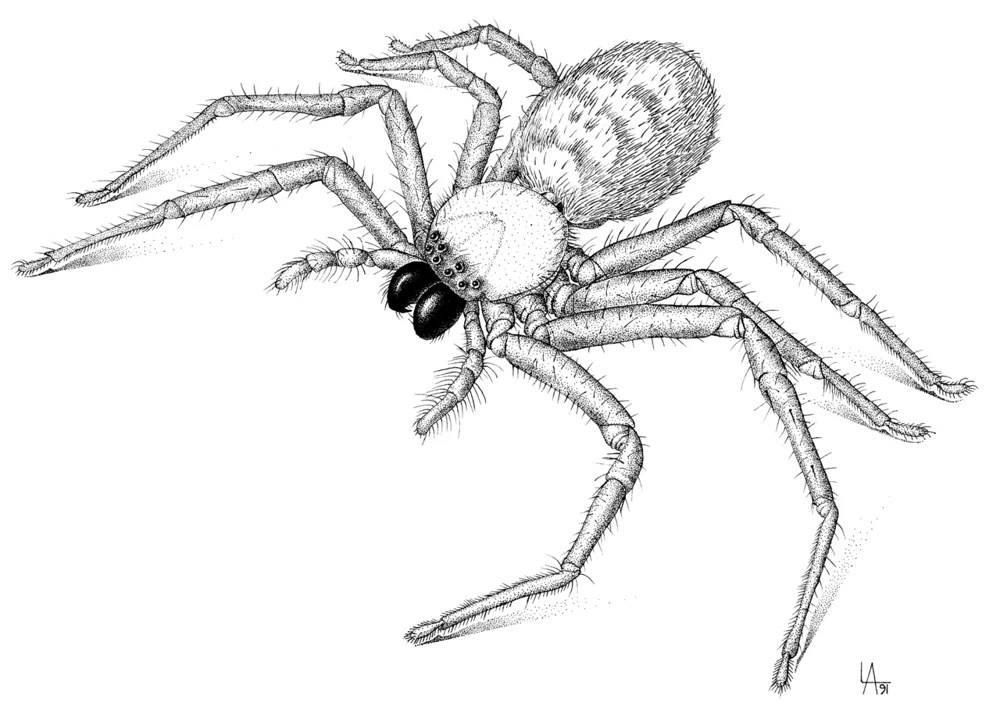
 Bí o ṣe lè dá a mọ̀
Agbára oró
Oró ń jáde láti inú eyín oró tàbí eyín rẹ̀ nígbà tí ó bá bùjẹ.
Kí ni oró rẹ̀ máa ń ṣe?
Bites are infrequent. When they do occur, symptoms are usually very minor.1
Báwo ló ṣe léwu tó fún ènìyàn?
Ewu fún ènìyàn: Fúyẹ́Bí ìtani oyin tàbí kò tó bẹ́ẹ̀. Kò fẹ́rẹ̀ẹ́ léwu fún ènìyàn.It is generally considered harmless to humans. It is timid towards people and bites are infrequent. Films that show it as having a deadly venomous bite are not accurate. Its aggression is directed mainly at members of other colonies.1
Kí ni ó máa ń ṣe nígbà tí ẹ̀rù bá bà á?
It is timid towards humans.1
 Bí ó bá bùjẹ
- Fọ ibi ìbùjẹ náà kí o sì fi àpò yìnyín lé e fún ìrora. Wá ìrànlọ́wọ́ ìṣègùn bí ìrora bá le, tí ó ń tàn kálẹ̀, tàbí tí ara ẹni náà kò bá yá.
Máa kọ́kọ́ pe nọ́ńbà pàjáwìrì rẹ nígbà gbogbo (112, 000, 911). Èyí jẹ́ ìtọ́sọ́nà ìtọ́jú àkọ́kọ́ gbogbogbò, kì í ṣe ìmọ̀ràn ìṣègùn. Ìpìlẹ̀ ìtọ́jú àkọ́kọ́
 Wà láìléwu
- Má ṣe fọwọ́ kan, mú tàbí yọ ẹranko igbó lẹ́nu láéláé, kódà bí ó bá kéré, kódà bí ó bá dà bí ẹni pé ó ń sùn tàbí ó ti kú.
- Fún un ní àyè. Bí o bá pàdé ọ̀kan, farabalẹ̀, sẹ́yìn díẹ̀díẹ̀ kí o sì jẹ́ kí ó máa bá ọ̀nà rẹ̀ lọ.
- Bí ọ̀kan bá bù ọ́ jẹ: farabalẹ̀, má ṣe mira, pe nọ́ńbà pàjáwìrì rẹ (112, 000, 911) tàbí lọ sí ilé ìwòsàn kíákíá. Rántí bí ó ṣe rí, fọ́tò máa ń ṣèrànwọ́.
Kò wá ọ kiri láti ṣe ọ́ léṣe. Ó ń lo oró rẹ̀ láti mú oúnjẹ tàbí láti dáàbò bo ara rẹ̀, ó sì fẹ́ràn láti farapamọ́ jù. Sí i nípa wíwà láìléwu
Báwo ló ṣe tóbi tó?
Báwo ló ṣe gùn tó?
 ó gùn tó pínì ìwé (paper clip)
 lè sáré mítà 100 ní ìṣẹ́jú-àáyá 190 (ènìyàn tó yára jùlọ nílò 9.6)
Báwo ni Social huntsman spider ṣe tóbi tó tí a bá fi wé ÌWỌ?
Ìṣirò nìkan nínú bráwúsà rẹ. A kò fi ohunkóhun pamọ́, a kò sì fi ránṣẹ́ sí ibikíbi.
Báwo ló ṣe yára tó?


Òtítọ́
It is highly unusual among spiders because it is a social species that shares prey with its colony.1
Colonies can contain up to 300 spiders, but members of different colonies are often aggressive and cannibalistic towards each other.1
There is a sculpture in the Avondale shopping centre that celebrates the spider.1
It was first described by Charles Athanase Walckenaer in 1837, and it was used in the films Napoleon and Arachnophobia.1
It was introduced to New Zealand in 1924, and its range there spread slowly out of Avondale, a suburb of Auckland.1
Olùfọ́ àròsọ
Àròsọ: The social huntsman spider has a deadly venomous bite, as shown in films.
Òtítọ́: It is generally considered harmless to humans. Bites are infrequent, and when they occur, symptoms are usually very minor.1
Ibi tí àwọn òtítọ́ ti wá
- Delena cancerides (Wikipedia (CC BY-SA 4.0))
- Delena cancerides (iNaturalist): orúkọ àti ìpínsísọ̀rí.
- Venom Wiki: ìpele ewu, ìtóbi déédé àti àfojúbù ìyára jẹ́ tiwa. Wo bí a ṣe ń ṣírò wọn: Bí a ṣe ń díwọ̀n ewu.
Gbogbo òtítọ́ ojú-ìwé yìí ní nọ́ńbà tó tọ́ka sí orísun rẹ̀. Bí a bá ṣe àṣìṣe, má bínú, olólùfẹ́ ẹranko ni wá, kì í ṣe ìwé ìròyìn sáyẹ́ǹsì. Sọ fún wa ní [email protected] a ó sì tún un ṣe.
 Ebi ń pa àkekèé! Iṣẹ́ akanṣe ẹnì kan ṣoṣo ni Venom Wiki: ọ̀fẹ́ ni, kò sí ìpolówó, kò sì sí olùtọpinpin. Ẹ̀bùn kékeré ń ràn án lọ́wọ́ láti wà lórí íńtánẹ́ẹ̀tì.Bọ́ àkekèé
 Redback spider
 Katipo
 White-tailed spider
 Peacock spider
 Badge huntsman spider
 Black house spider
 Coastal taipan
 Common death adder
 Eastern brown snake
 Ejò taipan inú ilẹ̀
 Sydney funnel-web spider
 Ejò ẹkùn