
 I-Afrika
 I-Asia
 I-Yurophu
 INingizimu Melika
 I-Australia ne-Oceania
 I-Antarctica
 ULwandlekazi iPacific
 ULwandlekazi i-Atlantic
 ULwandlekazi i-India
 ULwandlekazi i-Arctic
 Ulwandle iMediterranean
 Ulwandle Olubomvu
 Ulwandle iCaribbean
 Ulwandle iCoral
 Ulwandle lwaseNingizimu China
 Ulwandle lwasePhilippines
 Ulwandle i-Andaman
 Ulwandle i-North Sea
 Ulwandle lwaseTimor ne-Arafura
 Ichweba laseBengal
 Ichweba laseCalifornia
Stonecat
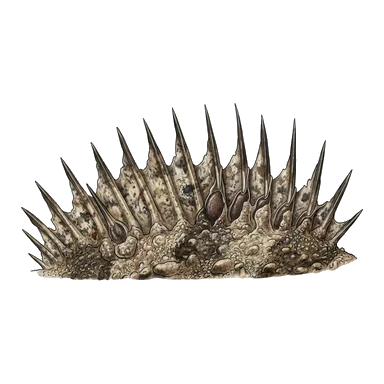 Ameva anobuthi
The stonecat is a small freshwater catfish from North America. It hides near or under stones in fast-moving water. It is special because it has venom glands at the base of its pectoral spines, which can cause extreme pain.1
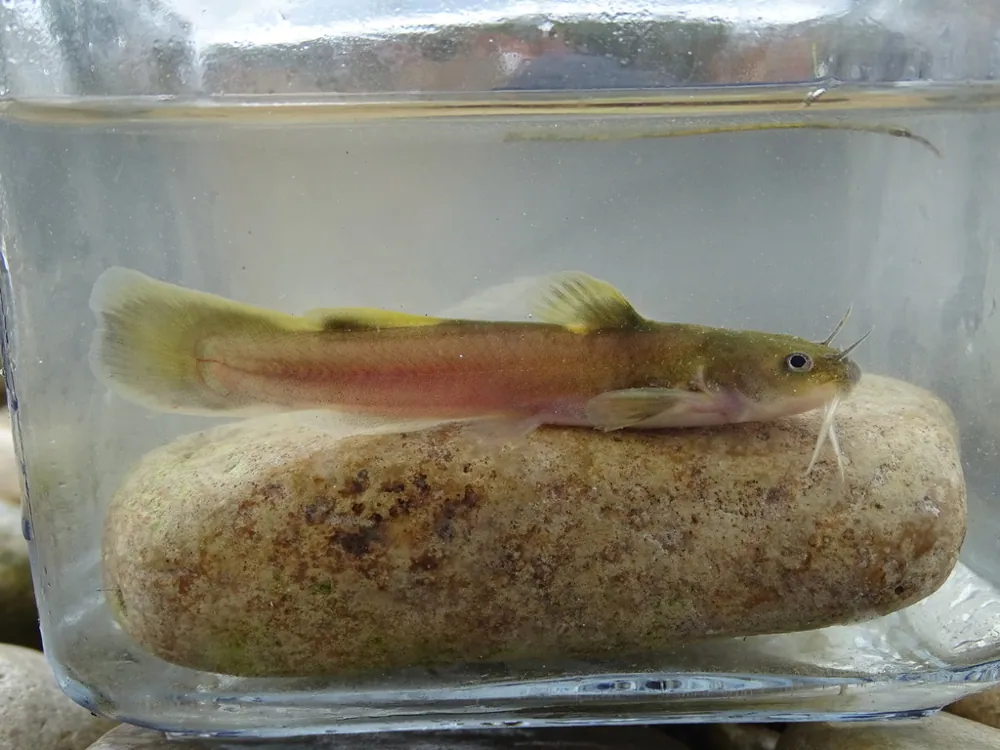
 Indlela yokusibona
- Small, slender, flat-headed catfish with a thick, yellowish-brown skin1
- The sides of the head shade to yellow, and the belly is whitish1
- A white spot at the rear of the dorsal fin base and another on the upper edge of the tail fin1
- Either two light bars or a patch on the nape, depending on the population1
Amandla obuthi
Ameva abukhali aphethe ubuthi. Ukusinyathela noma ukusibamba kubuhlungu.
Ubuthi baso benzani?
Stonecats have venom glands, mainly at the bases of the pectoral spines. Their venom causes extreme pain, similar to that of a wasp sting. Other members of this catfish family cause irritating wounds from their spines, but the stonecat's venom is stronger.1
Siyingozi kangakanani ebantwini?
Ingozi ebantwini: KubuhlunguKungaba buhlungu ngempela, kodwa cishe akukaze kube kubi kakhulu.The spines can deliver venom that causes extreme pain, similar to a wasp sting. Keep clear of its spines.1
Senzani uma sesabile?
Stonecats hide near or under stones, and their venom glands sit at the bases of their pectoral spines.1
 Uma ameva aso ekugwaza
- Faka inxeba emanzini ashisayo, ashisa ngendlela umuntu angakwazi ukuyibekezelela ngaphandle kokusha (yihlole ngesandla sakho), imizuzu engama-30 kuya kwengama-90. Thola usizo lwezokwelapha, ikakhulukazi kuma-stonefish nama-stingray.
Njalo shayela kuqala inombolo yezimo eziphuthumayo (112, 000, 911). Lokhu kuyiseluleko sosizo lokuqala esijwayelekile, akusona iseluleko sezokwelapha. Izisekelo zosizo lokuqala
 Hlala uphephile
- Ungalokothi uthinte, ubambe noma ugcone isilwane sasendle, ngisho noma sincane, futhi ngisho noma sibukeka silele noma sifile.
- Sinike isikhala. Uma uhlangana naso, hlala uzolile, uhlehle kancane bese usiyeka sihambe ngendlela yaso.
- Uma ameva aso ekugwaza: hlala uzolile, ungashukumi, shayela inombolo yezimo eziphuthumayo (112, 000, 911) noma uye esibhedlela ngokushesha. Khumbula ukuthi besibukeka kanjani, isithombe siyasiza.
Asikuzingeli wena. Sisebenzisa ubuthi baso ukuze sibambe ukudla noma ukuzivikela, futhi singancamela ukucasha. Okwengeziwe mayelana nokuhlala uphephile
Sikhulu kangakanani?
Side kangakanani?
Sisinda kangakanani?

 side njengezitini zamathoyizi ezingu-10 ezilandelanayo
 singabhukuda ubude bechibi elikhulu lokubhukuda (50 m) ngemizuzwana engu-38
Stonecat mkhulu kangakanani uma uqhathanisa NAWE?
Yizibalo nje kusiphequluli sakho. Akukho okulondolozwayo noma okuthunyelwa ndawo.
Sishesha kangakanani?
Amaqiniso
A stonecat's pectoral spines carry venom glands, which makes them far more painful than the spines of most related catfish.1
Its eggs are amber-yellow and very large for a fish, measuring between 3.5 and 4 mm across.1
Stonecats are used as indicators of water quality, because they are absent from highly polluted or heavily silted areas.1
Stonecats form monogamous pairs for breeding, and they spawn when water temperatures reach 25 °C.1
The upper jaw of the stonecat projects beyond the lower jaw.1
Okongoti bobuthi
- Igama lesayensi
- Noturus flavus
- Iqembu
- Izinhlanzi ezinobuthi
- Umndeni
- Ictaluridae2
- Ukuhleleka
- Siluriformes
- Amazwekazi
- INyakatho Melika
- Izinsana
- Males guard the clutch of eggs under large, flat rocks, and a female may produce between 200 and 1,200 eggs per year.1
- Isikhathi sokuphila
- cishe iminyaka engu-61
- Simo saso endle
- Not threatened, according to the US Endangered Species Act1
- Ingozi ebantwini
- 2 / 5: Kubuhlungu3
Lapho amaqiniso evela khona
- Noturus flavus (Wikipedia (CC BY-SA 4.0))
- Noturus flavus (iNaturalist): amagama nokuhlelwa ngezigaba.
- Venom Wiki: izinga lengozi, usayizi ojwayelekile nesiqagela sejubane kungokwethu. Bona ukuthi sikubala kanjani: Indlela esilinganisa ngayo ingozi.
Iqiniso ngalinye kuleli khasi linenombolo ekhomba umthombo walo. Uma senze iphutha, uxolo, singabathandi bezilwane, hhayi iphephabhuku lesayensi. Sitshele ku-[email protected] futhi sizolilungisa.
 Ufezela ulambile! I-Venom Wiki iwumsebenzi womuntu oyedwa: imahhala, ayinazo izikhangiso noma izilandeli. Isipho esincane sisiza ukuyigcina ku-inthanethi.Phakela ufezela
Okunye okuvela eqenjini elifanayo: Izinhlanzi ezinobuthi
 Channel catfishIzinhlanzi ezinobuthiKubuhlungu njeUngathinti
 Brown bullheadIzinhlanzi ezinobuthiKubuhlungu njeUngathinti
 Carolina madtomIzinhlanzi ezinobuthiKubuhlungu njeUngathinti
 Margined madtomIzinhlanzi ezinobuthiKubuhlungu njeUngathinti
 Tadpole madtomIzinhlanzi ezinobuthiKubuhlungu njeUngathinti
 Reef stonefishIzinhlanzi ezinobuthiKungabulalaUngathinti
 Terciopelo
 Eastern coral snake
 Eastern diamondback rattlesnake
 Eyelash viper
 Timber rattlesnake
 Western diamondback rattlesnake