
 I-Afrika
 I-Asia
 I-Yurophu
 INingizimu Melika
 I-Australia ne-Oceania
 I-Antarctica
 ULwandlekazi iPacific
 ULwandlekazi i-Atlantic
 ULwandlekazi i-India
 ULwandlekazi i-Arctic
 Ulwandle iMediterranean
 Ulwandle Olubomvu
 Ulwandle iCaribbean
 Ulwandle iCoral
 Ulwandle lwaseNingizimu China
 Ulwandle lwasePhilippines
 Ulwandle i-Andaman
 Ulwandle i-North Sea
 Ulwandle lwaseTimor ne-Arafura
 Ichweba laseBengal
 Ichweba laseCalifornia
Walking catfish
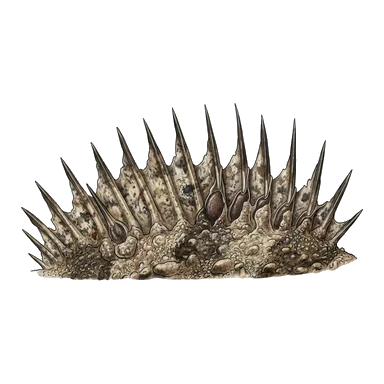 Ameva anobuthi
The walking catfish is a freshwater fish that can crawl across wet land to reach new water. It lives in Southeast Asia and has also been introduced to places such as Florida. Its spiny defence is the reason it needs careful handling.1
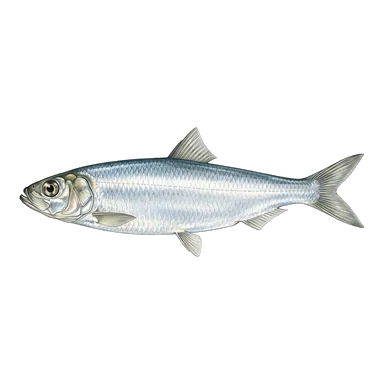
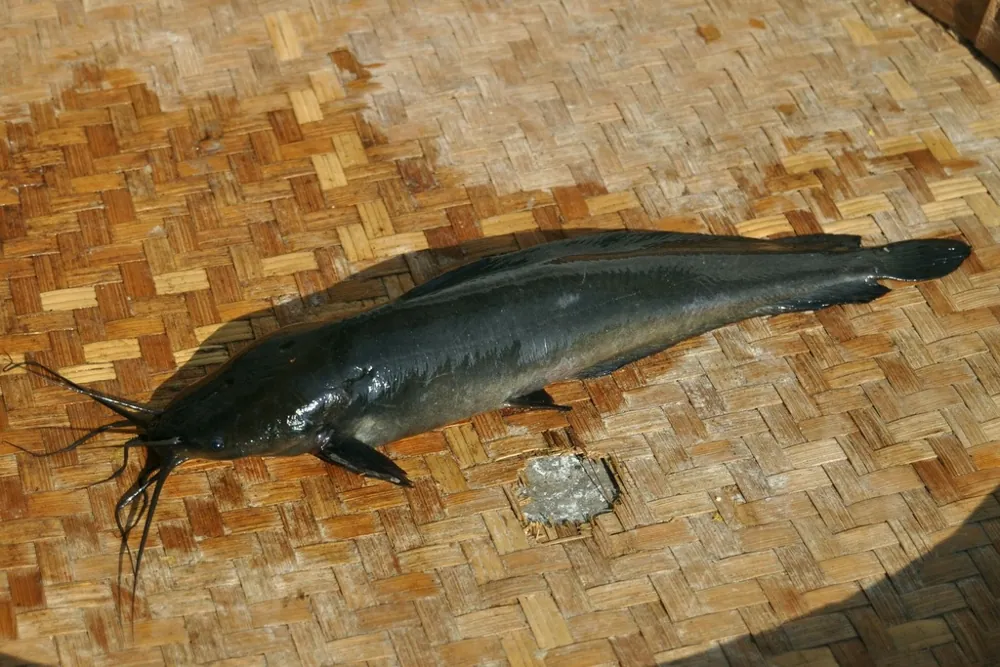
 Indlela yokusibona
- Elongated body, grey or grey-brown in colour1
- Often covered on its sides with small white spots1
- Long dorsal and anal fins, and several pairs of sensory barbels1
- Scaleless skin covered in mucus1
- No adipose fin, a small fleshy fin on the back near the tail1
Ivamise ukudidaniswa ne: It is often confused with North American ictalurid catfish and with close relatives such as C. magur. The walking catfish can be told apart from the North American ictalurid catfish because it lacks an adipose fin.1
Amandla obuthi
Ameva abukhali aphethe ubuthi. Ukusinyathela noma ukusibamba kubuhlungu.
Siyingozi kangakanani ebantwini?
Ingozi ebantwini: KubuhlunguKungaba buhlungu ngempela, kodwa cishe akukaze kube kubi kakhulu.It must be handled carefully when fished because of its embedded sting or thorn-like spines. It is also harmful as an invasive species, because it eats the food of native fish, preys on their young and can destroy fish farms.1
Senzani uma sesabile?
It has a sting or thorn-like spine hidden behind its fins, which it uses to defend itself.1
 Uma ameva aso ekugwaza
- Faka inxeba emanzini ashisayo, ashisa ngendlela umuntu angakwazi ukuyibekezelela ngaphandle kokusha (yihlole ngesandla sakho), imizuzu engama-30 kuya kwengama-90. Thola usizo lwezokwelapha, ikakhulukazi kuma-stonefish nama-stingray.
Njalo shayela kuqala inombolo yezimo eziphuthumayo (112, 000, 911). Lokhu kuyiseluleko sosizo lokuqala esijwayelekile, akusona iseluleko sezokwelapha. Izisekelo zosizo lokuqala
 Hlala uphephile
- Ungalokothi uthinte, ubambe noma ugcone isilwane sasendle, ngisho noma sincane, futhi ngisho noma sibukeka silele noma sifile.
- Sinike isikhala. Uma uhlangana naso, hlala uzolile, uhlehle kancane bese usiyeka sihambe ngendlela yaso.
- Uma ameva aso ekugwaza: hlala uzolile, ungashukumi, shayela inombolo yezimo eziphuthumayo (112, 000, 911) noma uye esibhedlela ngokushesha. Khumbula ukuthi besibukeka kanjani, isithombe siyasiza.
Asikuzingeli wena. Sisebenzisa ubuthi baso ukuze sibambe ukudla noma ukuzivikela, futhi singancamela ukucasha. Okwengeziwe mayelana nokuhlala uphephile
Sikhulu kangakanani?
Side kangakanani?
Sisinda kangakanani?
 side njengobhanana abangu-3 abalandelanayo
 side njengezitini zamathoyizi ezingu-16 ezilandelanayo
 singabhukuda ubude bechibi elikhulu lokubhukuda (50 m) ngemizuzwana engu-30
Walking catfish mkhulu kangakanani uma uqhathanisa NAWE?
Yizibalo nje kusiphequluli sakho. Akukho okulondolozwayo noma okuthunyelwa ndawo.
Sishesha kangakanani?
Amaqiniso
It can survive 18 hours out of water.1
It moves over land with snake-like wiggles, using its pectoral fins to stay upright.1
In Florida, fish farmers have had to put up fences to protect their ponds from them.1
It often rises to the surface to gulp air, because it breathes air as well as using water.1
Walking catfish were imported to Florida in the early 1960s for aquaculture, and escapes led to wild populations.1
In Indonesia it is known as lele and is the main ingredient in dishes such as pecel lele.1
Umqothuli wezinganekwane
Inganekwane: The walking catfish truly walks on land like a four-legged or two-legged animal.
Iqiniso: It does not walk in that way. It uses its pectoral fins to stay upright while it wiggles its body in snake-like movements.1
Lapho amaqiniso evela khona
- Walking catfish (Wikipedia (CC BY-SA 4.0))
- Clarias batrachus (iNaturalist): amagama nokuhlelwa ngezigaba.
- Venom Wiki: izinga lengozi, usayizi ojwayelekile nesiqagela sejubane kungokwethu. Bona ukuthi sikubala kanjani: Indlela esilinganisa ngayo ingozi.
Iqiniso ngalinye kuleli khasi linenombolo ekhomba umthombo walo. Uma senze iphutha, uxolo, singabathandi bezilwane, hhayi iphephabhuku lesayensi. Sitshele ku-[email protected] futhi sizolilungisa.
 Ufezela ulambile! I-Venom Wiki iwumsebenzi womuntu oyedwa: imahhala, ayinazo izikhangiso noma izilandeli. Isipho esincane sisiza ukuyigcina ku-inthanethi.Phakela ufezela
Okunye okuvela eqenjini elifanayo: Izinhlanzi ezinobuthi
 Giant freshwater stingrayIzinhlanzi ezinobuthiKudinga udokotela
 Asian stinging catfishIzinhlanzi ezinobuthiKudinga udokotelaUngathinti
 Reef stonefishIzinhlanzi ezinobuthiKungabulalaUngathinti
 Red lionfishIzinhlanzi ezinobuthiKudinga udokotelaUngathinti
 Estuarine stonefishIzinhlanzi ezinobuthiKungabulalaUngathinti
 Short-tail stingrayIzinhlanzi ezinobuthiKungabulala
 Deathstalker
 Indian cobra
 Indian saw-scaled viper
 King cobra
 Ibululu
 Inhlangwane kaRussell