
 Bitten or stung?
 All animals
 Pick a continent
 Africa
 Asia
 Europe
 South America
 Australia & Oceania
 Antarctica
 Pacific Ocean
 Atlantic Ocean
 Indian Ocean
 Arctic Ocean
 Mediterranean Sea
 Red Sea
 Caribbean Sea
 Coral Sea
 South China Sea
 Philippine Sea
 Andaman Sea
 North Sea
 Timor & Arafura Sea
 Bay of Bengal
 Gulf of California
 Games
 Venom battle
 Animal race
 Field notebook
 Venom TOP lists
 Stay safe
 Surprise me
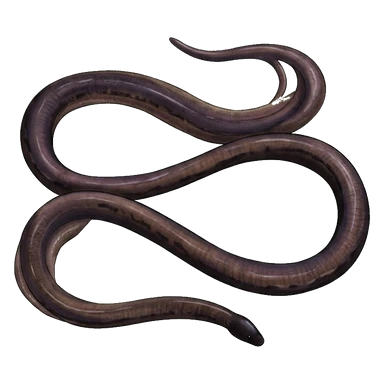
Bootlace worm
 Poison in its skinEats: MeatTOP 50 · No. 1: LongestTOP 50 · No. 1: Gentle giantsPoisonous, not venomous
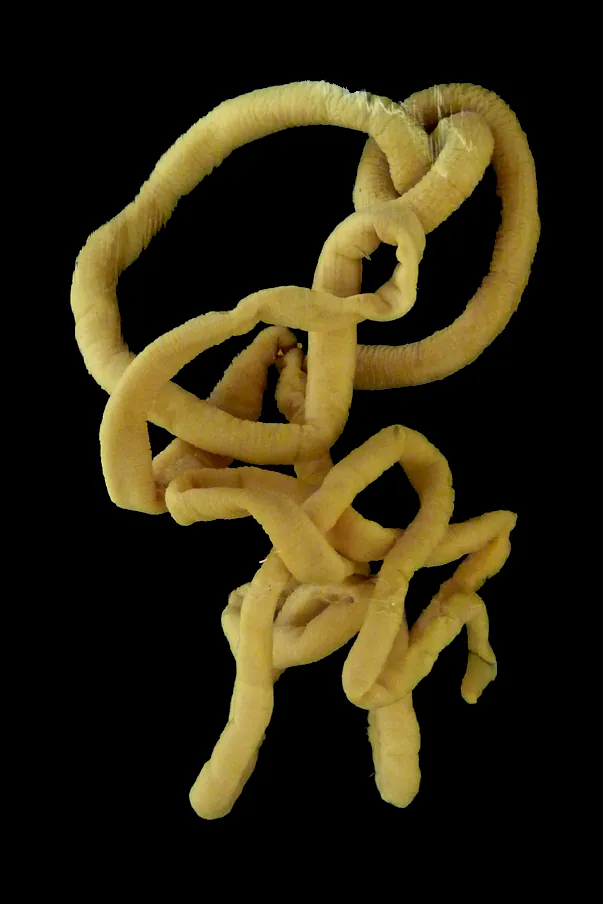
The bootlace worm is a ribbon worm that can be one of the longest animals known, with typical specimens measuring 5 to 15 metres. It lives along the coasts of northern Europe, including Britain, Norway and Denmark. Its thick, toxic mucus is its main defence.1
 How to recognise it
Poison power
Its skin is poisonous. It is dangerous to touch, lick or eat.
What does its poison do?
The bootlace worm does not bite or sting, so it is poisonous rather than venomous. Its mucus contains a relatively strong neurotoxin, which attacks the nerves. The mucus is highly toxic, but tests showed low toxicity in human cells.1
How dangerous is it to people?
Danger to people: MildLike a bee sting or less. Basically harmless to people, unless the person is allergic.No human injuries or deaths from this worm are known. Its mucus is highly toxic, so it is best not to touch it.1
What does it do when it is scared?
When handled, it releases large amounts of thick, toxic mucus, which it uses to deter predators.1
 If someone touched or ate it
Call your emergency number at once if the person has trouble breathing, swelling of the face or throat, or feels faint.
- Put the wound in hot water, as hot as the person can stand without burning, and get medical help to remove spines. Do not dig for them yourself.
This is general first aid guidance, not medical advice. Based on the first aid guidelines of the World Health Organization and the Australian Resuscitation Council. Facts come from public sources and may contain mistakes. When in doubt, always get medical help. First aid basics
 Stay safe
- Never touch, catch or tease a wild animal, even a small one, and even if it looks asleep or dead.
- Give it space. If you meet one, stay calm, step back slowly and let it go its own way.
- If you touched or ate it: do not rub your eyes or mouth, wash your hands and get medical help.
It is not out to get you. Its poison is only there so that nothing eats it. More about staying safe
Where in the world?
How big is it?
How long is it?
 as long as 7 cars parked in a row
How big is Bootlace worm compared to you?
Just maths in your browser. Nothing is saved or sent anywhere.
How fast is it?


Facts
In 1864, a specimen more than 55 metres long washed ashore after a severe storm near St Andrews, Scotland. It was longer than the lion's mane jellyfish.1
The bootlace worm is one of the longest known animals, and individuals have been recorded at up to 30 metres.1
Its mucus kills crabs and cockroaches in tests, and it could be used as an agricultural insecticide.1
Its body is very flexible and can stretch far beyond its usual length.1
Myth buster
Myth: The bootlace worm regularly grows to over 55 metres long.
Truth: Reports of worms over 55 metres may be animals that were stretched. Ribbon worm bodies are flexible, so measurements should be treated with caution. Individuals are known to reach up to 30 metres.1
Where the facts come from
- Lineus longissimus (Wikipedia (CC BY-SA 4.0))
- Lineus longissimus (iNaturalist): names and classification.
- Venom Wiki: the danger level, the typical size and the speed guess are our own. See how we work them out: How we rate danger.
Every fact on this page has a number that points to its source. If we got something wrong, sorry, we are animal fans, not a science journal. Tell us at [email protected] and we will fix it.
Get the Venom Wiki app
Every creature, every picture and the games in your pocket, even without internet.


 Support Venom Wiki Venom Wiki is a one-man project: free, with no ads and no cookies. A small tip helps keep it online.Feed the scorpion
More from the same group: Urchins, stars & worms
 Crown-of-thorns starfishUrchins, stars & wormsNeeds a doctorDo not touch
 Flower urchinUrchins, stars & wormsNeeds a doctor
 Bearded firewormUrchins, stars & wormsPainfulDo not touch
 Black long-spined urchinUrchins, stars & wormsPainfulDo not touch
 Bobbit wormUrchins, stars & wormsPainful
 Fire urchinUrchins, stars & wormsPainfulDo not touch
Also lives in: Atlantic Ocean
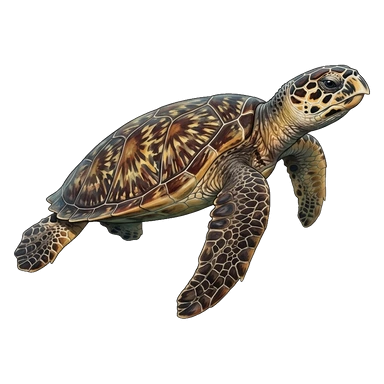 Hawksbill sea turtleOther poisonous animalsCan kill
 Portuguese man o' warJellyfish & sea stingersNeeds a doctorDo not touch
 Red lionfishVenomous fishNeeds a doctorDo not touch
 Blue sea dragonCone snails & octopusesPainful
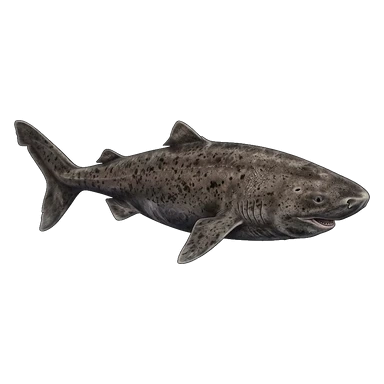 Greenland sharkOther poisonous animalsPainful
 Lion's mane jellyfishJellyfish & sea stingersPainfulDo not touch