
 Bitten or stung?
 All animals
 Pick a continent
 Africa
 Asia
 Europe
 South America
 Australia & Oceania
 Antarctica
 Pacific Ocean
 Atlantic Ocean
 Indian Ocean
 Arctic Ocean
 Mediterranean Sea
 Red Sea
 Caribbean Sea
 Coral Sea
 South China Sea
 Philippine Sea
 Andaman Sea
 North Sea
 Timor & Arafura Sea
 Bay of Bengal
 Gulf of California
 Games
 Venom battle
 Animal race
 Field notebook
 Venom TOP lists
 Stay safe
 Surprise me

Mosaic reef crab
 If someone ate itDanger to people: DeadlyOne of the most dangerous animals in the world.
 Poisonous to eat
The mosaic reef crab is a small crab with a fan-shaped body covered in large white spots, like a mosaic. It lives on coral reefs in parts of Asia, Australia and French Polynesia. It is one of the most poisonous crabs in the world, so it must never be eaten.1
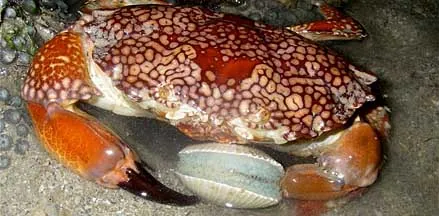
 How to recognise it
Poison power
It is only harmful if something eats it.
What does its poison do?
Its poison is a neurotoxin, a poison that attacks the nerves. Heat does not destroy the neurotoxin, so cooking does not make the crab safe to eat.1
How dangerous is it to people?
Danger to people: DeadlyOne of the most dangerous animals in the world.It is known to be one of the most poisonous crabs in the world. The danger comes from eating it, and cooking does not remove the poison.1
If someone ate it
Always call your emergency number first (for example 112 in Europe, 911 in North America, 000 in Australia).
- Call the emergency number and get to hospital at once if anyone has eaten this crab, even if they feel fine. There is no antidote, but doctors can treat the symptoms and support breathing.1
- If someone ate it or has symptoms after eating it: call your emergency number or poison centre straight away.
This is general first aid guidance, not medical advice. Based on the first aid guidelines of the World Health Organization and the Australian Resuscitation Council. Facts come from public sources and may contain mistakes. When in doubt, always get medical help. First aid basics
 Stay safe
- Never touch, catch or tease a wild animal, even a small one, and even if it looks asleep or dead.
- Give it space. If you meet one, stay calm, step back slowly and let it go its own way.
- If someone ate it: call your emergency number or poison centre straight away.
It is not out to get you. Its poison is only there so that nothing eats it. More about staying safe
Where in the world?
How big is it?
How long is it?
 about as long as a bank card
How big is Mosaic reef crab compared to you?
Just maths in your browser. Nothing is saved or sent anywhere.
How fast is it?


Facts
Myth buster
Myth: Cooking the crab makes it safe to eat.
Truth: Heat does not break down its neurotoxin, so cooked mosaic reef crab is still poisonous.1
Where the facts come from
- Lophozozymus pictor (Wikipedia (CC BY-SA 4.0))
- Lophozozymus pictor (iNaturalist): names and classification.
- Venom Wiki: the danger level, the typical size and the speed guess are our own. See how we work them out: How we rate danger.
Every fact on this page has a number that points to its source. If we got something wrong, sorry, we are animal fans, not a science journal. Tell us at [email protected] and we will fix it.
Get the Venom Wiki app
Every creature, every picture and the games in your pocket, even without internet.


 Support Venom Wiki Venom Wiki is a one-man project: free, with no ads and no cookies. A small tip helps keep it online.Feed the scorpion
More from the same group: Other poisonous animals
 Japanese pufferfish
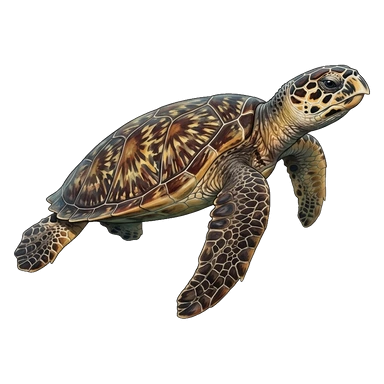 Hawksbill sea turtle
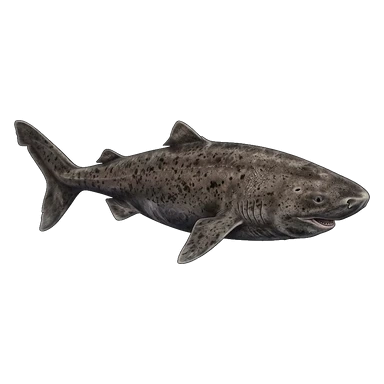 Greenland shark
 Silver-cheeked toadfish
 Blackspotted puffer
 White-spotted puffer

Also lives in: Pacific Ocean
 Australian box jellyfishJellyfish & sea stingersDeadlyDo not touch
 Geography coneCone snails & octopusesDeadly
 Greater blue-ringed octopusCone snails & octopusesDeadly
 Southern blue-ringed octopusCone snails & octopusesDeadly
 Irukandji jellyfishJellyfish & sea stingersCan killDo not touch
 Reef stonefishVenomous fishCan killDo not touch