
 Afrịka
 Eshia
Eshia Yurop
Yurop Ndịda Amerika
 Ọstrelia na Oshenia
 Antaktika
 Oké Osimiri Pasifik
 Oké Osimiri Atlantik
 Oké Osimiri India
 Oké Osimiri Arktik
 Osimiri Mediterenian
 Osimiri Uhie
 Osimiri Karibịan
 Osimiri Coral
 Osimiri Ndịda China
 Osimiri Filipin
 Osimiri Andaman
 Osimiri Ugwu (North Sea)
 Osimiri Timor na Arafura
 Ọwara Bengal
 Ọwara California
Darevsky's viper
 Ịta
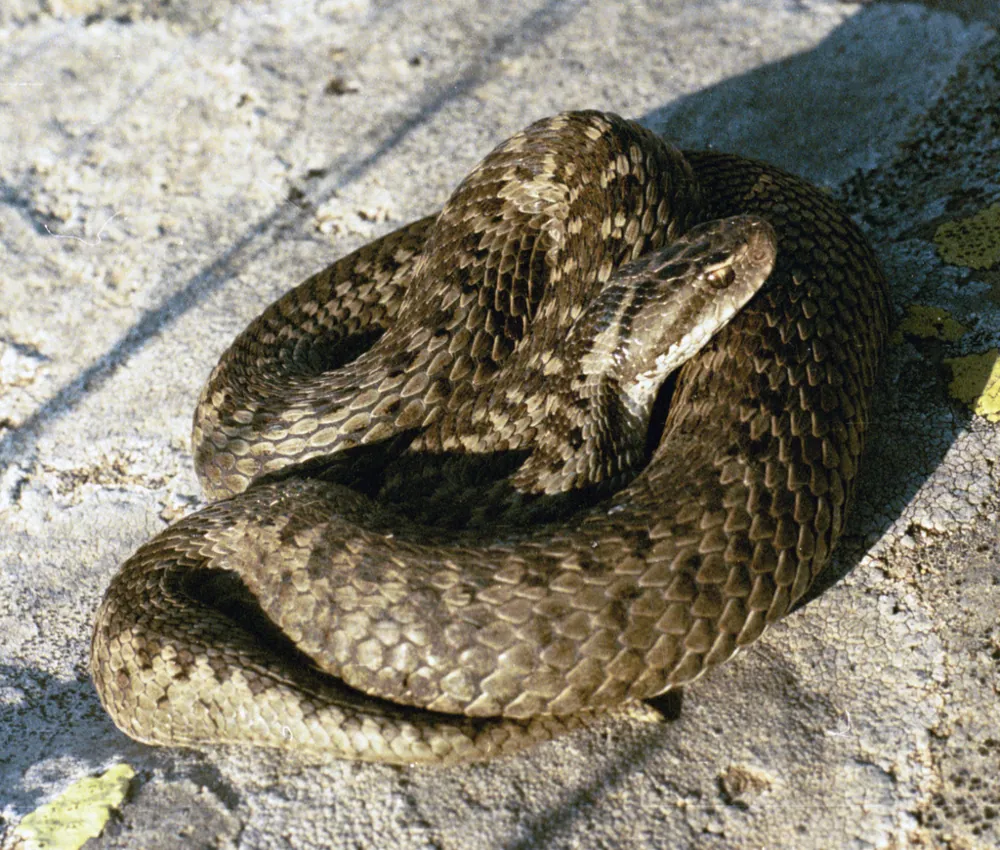
ỊtaDarevsky's viper is a small venomous snake that lives high in the mountains of northwestern Armenia, northeastern Turkey and southern Georgia. Its bite is painful and causes swelling, but it does not appear to be life-threatening to adults. It is a rare animal, classed as critically endangered.1



 Otú ị ga-esi mata ya
- Light brown to grey background colour with a dark brown to black zigzag pattern along the back, often broken into pieces.1
- A single row of small dark blotches on each side of the body.1
- Belly with many grey or black dots. Females have a greyer belly, while males' bellies are almost black.1
- Chin shields and lip scales are white, with a few dark fang-shaped marks on the lip scales.1
- Adult males are brighter, with a yellow tint and a dark, often black, pattern. Females are browner, with a fainter pattern. Females reach up to 42.1 cm in total length.1
A na-agwakọkarị ya na: It is often compared with Vipera eriwanensis. That species has a pinkish tint on its lip scales, while Darevsky's viper has white lip scales with dark fang-shaped marks.1
Ike nsị
Nsị na-esi n'eze nsị ya ma ọ bụ eze ya apụta mgbe ọ na-ata.
Gịnị ka nsị ọ na-agba na-eme?
Its venom is potent, and it is a relatively small venomous snake. A bite causes pain and local swelling around the wound. The bite does not appear to be life-threatening to adult humans.1
Kedu otú o si dị egwu nye mmadụ?
Ihe ize ndụ nye mmadụ: Na-afụ ụfụỌ nwere ike ịfụ ụfụ nke ukwuu, mana ọ naghị adịkarị njọ.The bite is painful and causes local swelling, but it appears not to be life-threatening to adult humans.1
 Ọ bụrụ na ọ tara
- Mee ka onye ahụ ghara imegharị ahụ, dịkwa jụụ, debe aka ma ọ bụ ụkwụ ahụ ọ tara n'ogo obi, wepụ mgbanaka na ihe ndị kekọrọ ahụ ike, kpọga ya ụlọ ọgwụ ngwa ngwa.
Na-ebu ụzọ kpọọ nọmba mberede gị mgbe niile (112, 000, 911). Nke a bụ ndụmọdụ enyemaka mbụ n'ozuzu, ọ bụghị ndụmọdụ ọgwụ. Isi ihe enyemaka mbụ
 Nọrọ na nchekwa
- Emetụla anụ ọhịa aka, ejidela ya, emekwala ya ihe ọjọọ, ọbụna obere, ọbụna ma ọ dị ka ọ na-ehi ụra ma ọ bụ nwụọ anwụ.
- Nye ya ohere. Ọ bụrụ na ị zutere otu, dị jụụ, laghachi azụ nwayọ, hapụ ya ka ọ gaa ụzọ ya.
- Ọ bụrụ na otu tara gị: dị jụụ, emegharịla ahụ, kpọọ nọmba mberede gị (112, 000, 911) ma ọ bụ gaa ụlọ ọgwụ ngwa ngwa. Cheta ka o si dị, foto na-enye aka.
Ọ naghị achụ gị. Ọ na-eji nsị ya ejide nri ma ọ bụ chebe onwe ya, ọ ga-akakwa mma n'anya ya ịzo onwe ya. Ihe ndị ọzọ gbasara ịnọ na nchekwa
Ọ hà aṅaa?
Kedu otú o si dị ogologo?
Kedu otú o si dị arọ?
 dị ogologo dị ka unere 2.5 a tọgbọrọ n'ahịrị
 dị ogologo dị ka blọk egwuregwu 13 n'ahịrị
 dị fechaa nke na ị gaghị anụ ya n'aka gị
 nwere ike ịgba ọsọ mita 100 n'ime sekọnd 120 (mmadụ kacha ọsọ chọrọ 9,6)
Kedu otú Darevsky's viper si hà ma e jiri ya tụnyere GỊ?
Naanị mgbakọ na mwepụ n'ime browser gị. Ọ dịghị ihe echekwara ma ọ bụ ezigara ebe ọ bụla.
Kedu otú o si agba ọsọ?


Eziokwu
Its digestion is very fast. In captive tests at 4 to 7 °C, a meal of fuzzy rat was digested in only 3 days.1
Remains of this snake have been found in the droppings of a beech marten, although little is known about its natural enemies.1
Newborns feed on the yolk left inside them for their first two weeks, and they grow without eating before their first shed.1
It is active during the day and moves into rocky deposits to keep its body at about 26 to 28 °C.1
Maka ndị ọkachamara nsị
- Aha sayensị
- Vipera darevskii
- Otu
- Viper na adder
- Ezinụlọ
- Viperidae2
- Usoro
- Squamata
- Kọntinent dị iche iche
- Eshia
- Ụmụ ọhụrụ
- It is ovoviviparous, meaning the eggs hatch inside the mother and she gives birth to live young. She has 4 to 8 babies between September and early October.1
- Otú ọ na-eme n'ọhịa
- Critically endangered (IUCN Red List)1
- Ihe ize ndụ nye mmadụ
- 2 / 5: Na-afụ ụfụ3
Ebe eziokwu ndị a si
- Vipera darevskii (Wikipedia (CC BY-SA 4.0))
- Vipera darevskii (iNaturalist): aha na nhazi ọkwa.
- Venom Wiki: ọkwa ihe ize ndụ, nha nkịtị na nchepụta ọsọ bụ nke anyị. Lee otú anyị si achọpụta ha: Otú anyị si atụ ihe ize ndụ.
Eziokwu ọ bụla dị na peeji a nwere nọmba na-egosi ebe o si. Ọ bụrụ na anyị mehiere ihe, ndo, anyị bụ ndị hụrụ anụmanụ n'anya, ọ bụghị akwụkwọ akụkọ sayensị. Gwa anyị na [email protected], anyị ga-edozi ya.
 Akpị agụụ na-agụ! Venom Wiki bụ ọrụ otu onye: n'efu, na-enweghị mgbasa ozi na ndị na-esochi gị. Obere onyinye na-enyere aka idebe ya n'ịntanetị.Nye akpị nri
 Indian saw-scaled viper
 Puff adder
 Agwọ Russell
 Common European adder
 Eastern Russell's viper
 Northeast African carpet viper
 Deathstalker
 Indian cobra
 King cobra
 Asian giant hornet
 Komodo dragon
 Spanish fly