
 Afrika
 Asia
Asia Ulaya
Ulaya Amerika Kusini
 Australia na Oceania
 Antaktika
 Bahari ya Pasifiki
 Bahari ya Atlantiki
 Bahari ya Hindi
 Bahari ya Aktiki
 Bahari ya Mediterania
 Bahari ya Shamu
 Bahari ya Karibi
 Bahari ya Matumbawe
 Bahari ya Kusini ya China
 Bahari ya Ufilipino
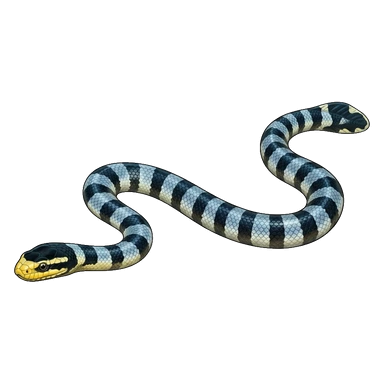 Bahari ya Andaman
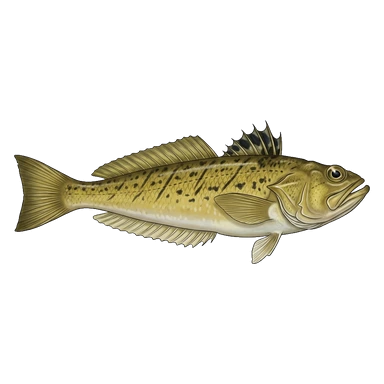 Bahari ya Kaskazini
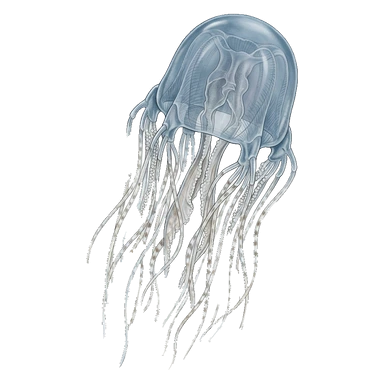 Bahari ya Timor na Arafura
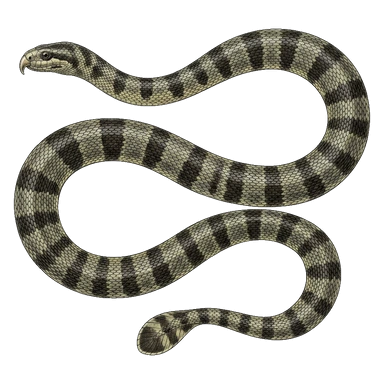 Ghuba ya Bengal
 Ghuba ya California
Buck moth
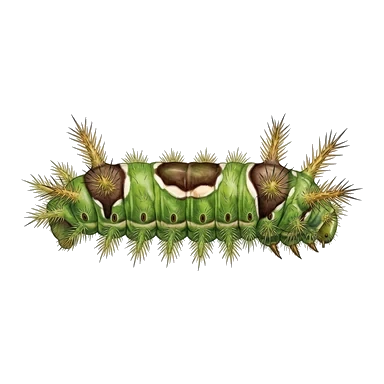 Manyoya yanayowasha
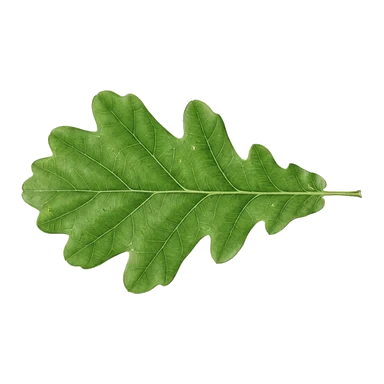
The buck moth is a common North American moth. Its caterpillars are covered in spines that can break off and sting people, so it is good to know what they look like. The caterpillars live on oak trees in eastern parts of the United States, and can also be found in cities.1
 Jinsi ya kumtambua
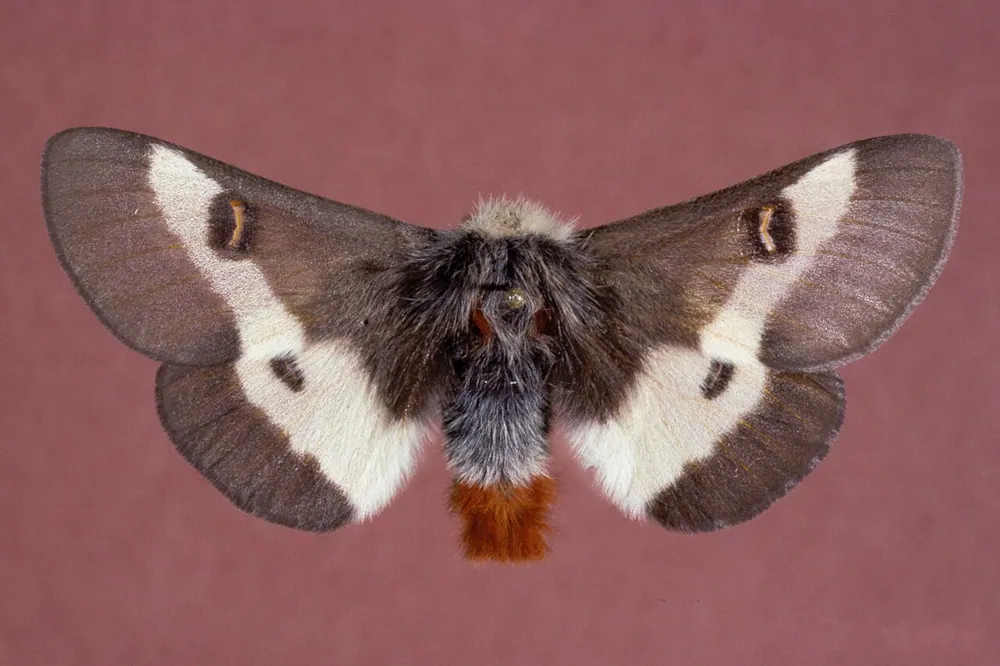
- Adult moths are dark grey to almost black, with a white band across each wing that has a distinctive eyespot on it.1
- Adult females have an all-black body. Males are black except for a rusty red abdomen (the rear part of the body).1
- Adults have black legs with small red cuffs near the top, where the leg joins the body.1
- Young caterpillars are completely black. Older caterpillars become lighter, and some look almost white.1
- Caterpillars are covered in spines. The spines on the top of the body are longer, more numerous and arranged in rows. Fully grown caterpillars reach about 2.5 inches (6.35 cm).1
Nguvu ya sumu
Manyoya madogo au vinywele hukatika ndani ya ngozi na kuwasha.
Sumu yake hufanya nini?
The spines of the caterpillar are hollow and attached to a poison sac, and small toxic glands along the sides of the body hold the venom. When the spines break off and get into the skin, they can cause stinging, itching and burning, with large red welts. In some people the reaction can lead to anaphylactic shock, a severe allergic reaction that needs urgent medical care. Nausea is also listed as a possible symptom.1
Ana hatari gani kwa watu?
Hatari kwa watu: InaumaInaweza kuuma sana, lakini karibu kamwe si jambo zito.An increasing number of people each season are stung by these caterpillars, and many of them see a doctor for dermatitis (swelling and inflammation of the skin). Stings are most common where caterpillars have moved into urban areas. Some people are at risk of a severe allergic reaction.1
Hufanya nini akiogopa?
The caterpillars use their spines as a defence against predators and when they feel in danger. The spines can easily break off when the caterpillar is handled roughly or brushed against.1
 Ukigusa manyoya yake
- Kwa manyoya ya kiwavi yanayowasha: yaondoe kwa utepe unaonata, kisha osha ngozi. Usisugue.
- Kwa kuumwa: osha na upoze. Tafuta msaada wa kitabibu mtu akijisikia vibaya au akivuja damu kwa urahisi.
Daima piga namba ya dharura kwanza (112, 000, 911). Huu ni mwongozo wa jumla wa huduma ya kwanza, si ushauri wa kitabibu. Misingi ya huduma ya kwanza
 Kaa salama
- Kamwe usimguse, kumkamata wala kumchokoza mnyama wa porini, hata akiwa mdogo, na hata akionekana amelala au amekufa.
- Mpe nafasi. Ukikutana naye, tulia, rudi nyuma polepole na umwache aende zake.
- Ukigusa manyoya yake: tulia, usitikisike, piga namba yako ya dharura (112, 000, 911) au nenda hospitali haraka. Kumbuka alivyoonekana, picha husaidia.
Hakuwindi wewe. Hutumia sumu yake kukamata chakula au kujilinda, na hupendelea zaidi kujificha. Zaidi kuhusu kukaa salama
Ana ukubwa gani?
Ana urefu gani?
 urefu sawa na matofali 2 ya kuchezea yaliyopangwa mstari
 polepole kuliko konokono wa bustanini
Buck moth ana ukubwa gani ukilinganisha na WEWE?
Ni hesabu tu kwenye kivinjari chako. Hakuna kinachohifadhiwa wala kutumwa popote.
Ana kasi gani?

Ukweli
Adult buck moths have no mouthparts, so they cannot eat. They live only long enough to find a mate and lay eggs.1
Newly hatched caterpillars march in a straight line, following one leader. If the leader is removed, the group becomes confused and restless until it either returns or the group chooses a new leader.1
Before they pupate, some buck moths can stay in the pupa stage for up to two years before emerging as adults.1
Females release a chemical scent, called a pheromone, to attract males. Males that fly erratically are responding to this scent.1
Kwa wataalamu wa sumu
- Jina la kisayansi
- Hemileuca maia
- Kundi
- Viwavi na wadudu
- Familia
- Saturniidae2
- Mpangilio
- Lepidoptera
- Mabara
- Amerika Kaskazini
- Watoto
- Females lay about 150 eggs per generation in a tight ring around an oak twig, and the eggs stay there through the winter until spring.1
- Hali yake porini
- Endangered in Connecticut for the narrower subspecies Hemileuca maia maia1
- Hatari kwa watu
- 2 / 5: Inauma3
Ukweli unatoka wapi
- Buck moth (Wikipedia (CC BY-SA 4.0))
- Hemileuca maia (iNaturalist): majina na uainishaji.
- Venom Wiki: kiwango cha hatari, ukubwa wa kawaida na makadirio ya kasi ni yetu wenyewe. Ona jinsi tunavyovipata: Jinsi tunavyopima hatari.
Kila ukweli kwenye ukurasa huu una namba inayoonyesha chanzo chake. Kama tumekosea kitu, samahani, sisi ni wapenzi wa wanyama, si jarida la kisayansi. Tuambie kupitia [email protected] nasi tutarekebisha.
 Nge ana njaa! Venom Wiki ni mradi wa mtu mmoja: bure, bila matangazo na bila vifuatiliaji. Mchango mdogo husaidia kuiweka hewani.Mlishe nge
 Giant water bug
 Puss caterpillar
 Saddleback caterpillar
 Wheel bug
 Giant vinegaroon
 Rhodnius kissing bug
 Terciopelo
 Eastern coral snake
 Eastern diamondback rattlesnake
 Eyelash viper
 Timber rattlesnake
 Western diamondback rattlesnake