
 Châu Phi
 Châu Á
 Châu Âu
 Nam Mỹ
 Úc và châu Đại Dương
 Châu Nam Cực
 Thái Bình Dương
 Đại Tây Dương
 Ấn Độ Dương
 Bắc Băng Dương
 Địa Trung Hải
 Biển Đỏ
 Biển Caribe
 Biển San Hô
 Biển Đông
 Biển Philippines
 Biển Andaman
 Biển Bắc
 Biển Timor và Arafura
 Vịnh Bengal
 Vịnh California
Pine processionary
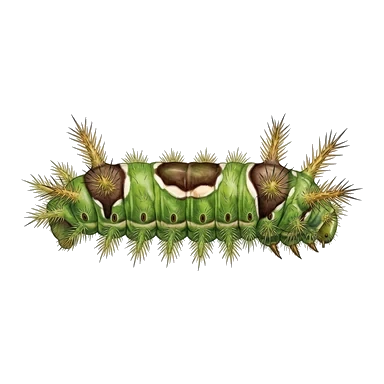 Lông độc
The pine processionary is a moth whose caterpillars are famous for marching in long, nose-to-tail lines through pine woods. Their hairs cause painful rashes and eye irritation, and they can strip the needles from whole trees. It lives around the Mediterranean and is spreading north.1
 Cách nhận biết
- Caterpillars are orange-brown and hairy, with blue bands.1
- Large silken nests in pine trees, often with several in one tree and signs of stripped needles.1
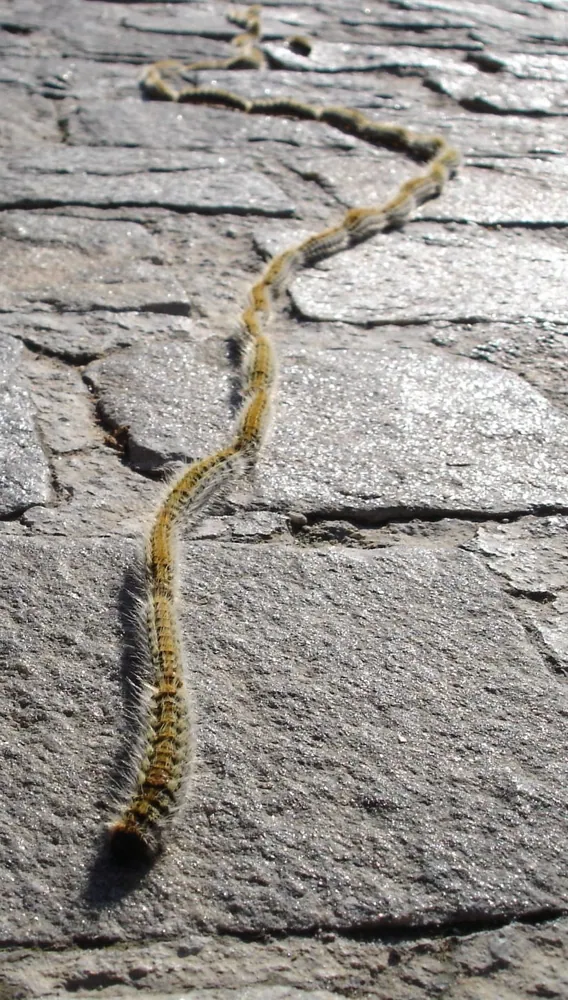
- Caterpillars move in single-file processions, usually at night and when leaving the tree to pupate.1
- Adults have predominantly light brown forewings with brown markings and white hindwings.1
- Adult males have a crescent marking on the wings and are larger than the oak processionary.1
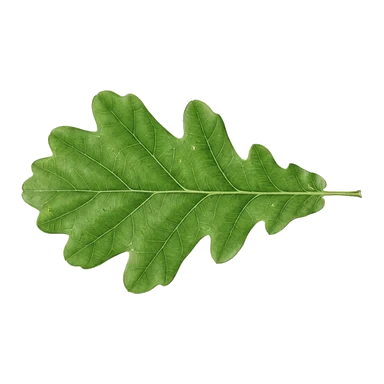
Hay bị nhầm với: The oak processionary (Thaumetopoea processionea) is smaller as an adult, has an indistinct wing marking rather than a crescent, and lives in broad-leaved rather than coniferous forests. The pale eggar moth has no crescent marking on its wings.1
Sức mạnh nọc độc
Lông tơ tí hon gãy trong da và gây rát.
Nọc độc của nó gây ra gì?
The species is not venomous. Its caterpillars have hairs containing an irritant chemical called thaumetopoein, which causes skin rashes (urticaria) and eye irritation on contact. Some people may have an allergic reaction. The hairs of fifth-stage larvae can also break off and spread across nearby exposed skin.1
Nó nguy hiểm thế nào với con người?
Nguy hiểm với con người: ĐauCó thể rất đau, nhưng hầu như không bao giờ nghiêm trọng.Simple contact with the caterpillar hairs can cause severe rashes and eye irritation in humans and other mammals. Some individuals may have an allergic reaction.1
Nó làm gì khi sợ?
When stressed or threatened, fifth-stage caterpillars eject harpoon-shaped hairs that irritate any exposed skin nearby.1
 If you touch its hairs
- Với lông sâu róm: dùng băng dính gỡ chúng ra, rồi rửa da. Đừng chà xát.
- Với vết cắn: rửa và làm mát. Đi khám nếu người bị cắn thấy không khỏe hoặc dễ chảy máu.
Luôn gọi số khẩn cấp trước tiên (112, 000, 911). Đây là hướng dẫn sơ cứu chung, không phải lời khuyên y tế. Sơ cứu cơ bản
 Giữ an toàn
- Đừng bao giờ chạm, bắt hay trêu chọc động vật hoang dã, dù nó nhỏ, và dù trông như đang ngủ hay đã chết.
- Chừa khoảng cách cho nó. Nếu gặp, hãy bình tĩnh, lùi lại từ từ và để nó đi.
- If you touch its hairs: stay calm, keep still, call your emergency number (112, 000, 911) or get to a hospital fast. Remember what it looked like, a photo helps.
Nó không nhắm vào bạn. Nó dùng nọc để bắt mồi hoặc tự vệ, và nó thích trốn hơn nhiều. Thêm về cách giữ an toàn
Nó to cỡ nào?
Nó dài bao nhiêu?
 dài khoảng bằng một chiếc kẹp giấy
 chậm hơn ốc sên vườn
Pine processionary to cỡ nào so với BẠN?
Chỉ là phép tính trong trình duyệt của bạn. Không có gì được lưu hay gửi đi đâu cả.
Nó nhanh cỡ nào?


Thông tin
Caterpillars in a procession hold together through touch from the caterpillar in front, which takes priority over the trail pheromone or silk.1
The caterpillars are one of the few temperate-zone insects whose larvae develop through the winter, living in silk nests high in pine trees.1
Adults live for only a single day, during which they mate and lay eggs.1
The Greek physician Dioscorides described the itching caused by this caterpillar in the 1st century AD, and Pliny the Elder recorded a treatment for it.1
Outbreaks are somewhat cyclical, with a period of 7 to 9 years.1
Phá tan lời đồn
Lời đồn: Fabre's caterpillars marched in a circle around a flower pot only because they were trapped on its rim.
Sự thật: Young caterpillars' circular trails continue for as long as 12 hours even when they are free on a flat surface.1
Cho chuyên gia về nọc độc
- Tên khoa học
- Thaumetopoea pityocampa
- Nhóm
- Sâu róm và côn trùng
- Gia đình
- Notodontidae2
- Thứ tự
- Lepidoptera
- Các châu lục
- Châu Âu, Châu Phi, Châu Á
- Con non
- Each female lays an enormous number of eggs near the tops of pine trees, in cylindrical egg masses 4 to 5 cm long covered with scales that mimic pine shoots.1
- Nguy hiểm với con người
- 2 / 5: Đau3
Thông tin lấy từ đâu
- Pine processionary (Wikipedia (CC BY-SA 4.0))
- Thaumetopoea pityocampa (iNaturalist): tên gọi và phân loại.
- Venom Wiki: mức nguy hiểm, kích thước điển hình và tốc độ ước đoán là của chúng tôi. Xem cách chúng tôi tính: Cách chúng tôi đánh giá nguy hiểm.
Mỗi thông tin trên trang này có một con số dẫn đến nguồn của nó. Nếu chúng tôi sai điều gì, xin lỗi nhé, chúng tôi là người mê động vật, không phải tạp chí khoa học. Hãy báo cho chúng tôi qua [email protected] và chúng tôi sẽ sửa.
 Bọ cạp đói rồi! Venom Wiki là dự án của một người: miễn phí, không quảng cáo, không theo dõi. Một chút tiền tip giúp trang tiếp tục hoạt động.Cho bọ cạp ăn
Cùng nhóm: Sâu róm và côn trùng
 Oak processionarySâu róm và côn trùngChỉ đau thôiĐừng chạm vào
 White-spotted assassin bugSâu róm và côn trùngChỉ đau thôi
 Common bombardier beetleSâu róm và côn trùngVô hại
 Asian giant water bugSâu róm và côn trùngChỉ đau thôi
 Blue-striped nettle grubSâu róm và côn trùngChỉ đau thôiĐừng chạm vào
 Brown-tail mothSâu róm và côn trùngChỉ đau thôiĐừng chạm vào
Cũng sống ở: Châu Âu
 Common European adderRắn lụcCần đi khám
 Spanish flyCác loài có độc khácCần đi khámĐừng chạm vào
 Common waspOng, ong bắp cày và ong vò vẽChỉ đau thôi
 European hornetOng, ong bắp cày và ong vò vẽChỉ đau thôi
 Fire salamanderẾch độc, cóc và sa giôngChỉ đau thôiĐừng chạm vào
 Western honey beeOng, ong bắp cày và ong vò vẽChỉ đau thôi