
 أفريقيا
 آسيا
آسيا أوروبا
 أمريكا الجنوبية
 أستراليا وأوقيانوسيا
 القارة القطبية الجنوبية
 المحيط الهادئ
 المحيط الأطلسي
 المحيط الهندي
 المحيط المتجمد الشمالي
 البحر الأبيض المتوسط
 البحر الأحمر
 البحر الكاريبي
 بحر المرجان
 بحر الصين الجنوبي
 بحر الفلبين
 بحر أندامان
 بحر الشمال
 بحر تيمور وبحر أرافورا
 خليج البنغال
 خليج كاليفورنيا
Pine processionary
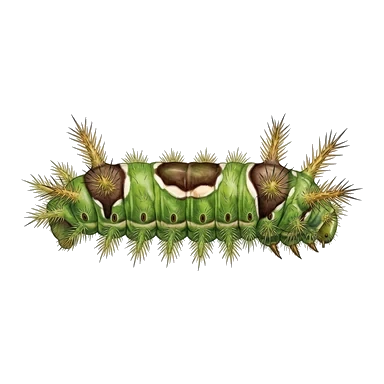 شعيرات لاسعة
The pine processionary is a moth whose caterpillars are famous for marching in long, nose-to-tail lines through pine woods. Their hairs cause painful rashes and eye irritation, and they can strip the needles from whole trees. It lives around the Mediterranean and is spreading north.1
 كيف تتعرف عليه
- Caterpillars are orange-brown and hairy, with blue bands.1
- Large silken nests in pine trees, often with several in one tree and signs of stripped needles.1
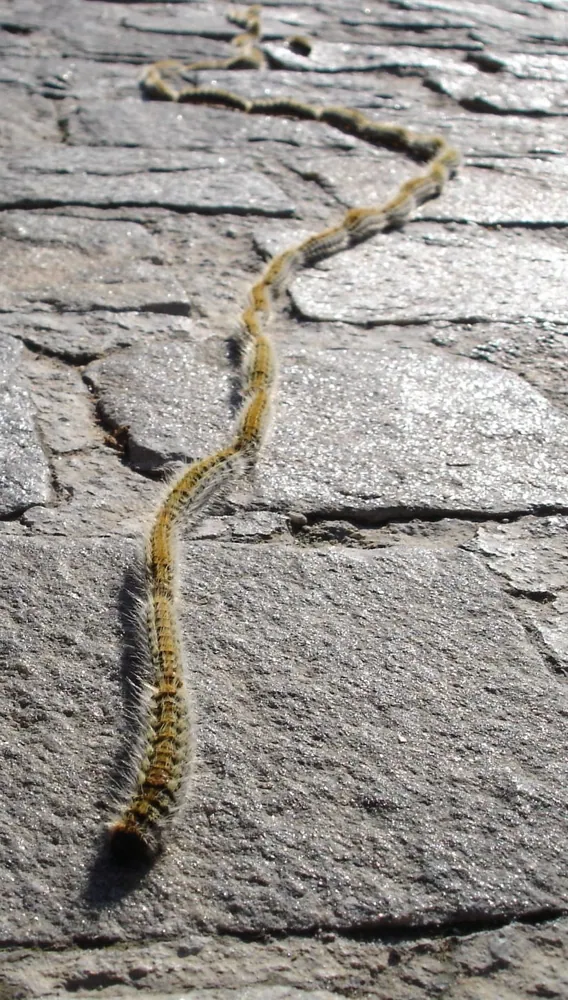
- Caterpillars move in single-file processions, usually at night and when leaving the tree to pupate.1
- Adults have predominantly light brown forewings with brown markings and white hindwings.1
- Adult males have a crescent marking on the wings and are larger than the oak processionary.1
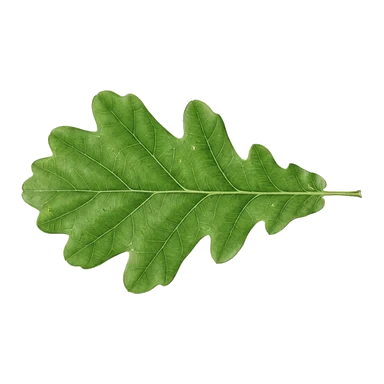
كثيرًا ما يُخلط بينه وبين: The oak processionary (Thaumetopoea processionea) is smaller as an adult, has an indistinct wing marking rather than a crescent, and lives in broad-leaved rather than coniferous forests. The pale eggar moth has no crescent marking on its wings.1
قوة السم
شعيرات صغيرة جدًا تنكسر في الجلد وتلسع.
ماذا يفعل سمه؟
The species is not venomous. Its caterpillars have hairs containing an irritant chemical called thaumetopoein, which causes skin rashes (urticaria) and eye irritation on contact. Some people may have an allergic reaction. The hairs of fifth-stage larvae can also break off and spread across nearby exposed skin.1
ما مدى خطورته على الناس؟
الخطر على الناس: مؤلمقد يؤلم كثيرًا، لكنه نادرًا جدًا ما يكون خطيرًا.Simple contact with the caterpillar hairs can cause severe rashes and eye irritation in humans and other mammals. Some individuals may have an allergic reaction.1
ماذا يفعل عندما يخاف؟
When stressed or threatened, fifth-stage caterpillars eject harpoon-shaped hairs that irritate any exposed skin nearby.1
 إذا لمست شعيراته
- لشعيرات اليرقات اللاسعة: انزعها بشريط لاصق، ثم اغسل الجلد. لا تفرك.
- للعضات: اغسل وبرّد. اطلب المساعدة الطبية إذا شعر الشخص بتوعك أو نزف بسهولة.
اتصل دائمًا برقم الطوارئ أولًا (112، 000، 911). هذه إرشادات إسعافات أولية عامة، وليست نصيحة طبية. أساسيات الإسعافات الأولية
 ابقَ آمنًا
- لا تلمس حيوانًا بريًا أبدًا ولا تمسكه ولا تضايقه، حتى لو كان صغيرًا، وحتى لو بدا نائمًا أو ميتًا.
- اترك له مساحة. إذا قابلته، فابقَ هادئًا وتراجع ببطء ودعه يمضي في طريقه.
- إذا لمست شعيراته: ابقَ هادئًا، ولا تتحرك، واتصل برقم الطوارئ (112، 000، 911) أو اذهب إلى المستشفى بسرعة. تذكّر شكله، فالصورة تساعد.
إنه لا يطاردك. يستخدم سمه لصيد طعامه أو لحماية نفسه، ويفضّل كثيرًا أن يختبئ. المزيد عن البقاء آمنًا
ما حجمه؟
ما طوله؟
 طوله تقريبًا مثل مشبك ورق
 أبطأ من حلزون الحديقة
ما حجم Pine processionary مقارنة بك؟
مجرد حسابات في متصفحك. لا يُحفظ شيء ولا يُرسل إلى أي مكان.
ما سرعته؟

معلومات
Caterpillars in a procession hold together through touch from the caterpillar in front, which takes priority over the trail pheromone or silk.1
The caterpillars are one of the few temperate-zone insects whose larvae develop through the winter, living in silk nests high in pine trees.1
Adults live for only a single day, during which they mate and lay eggs.1
The Greek physician Dioscorides described the itching caused by this caterpillar in the 1st century AD, and Pliny the Elder recorded a treatment for it.1
Outbreaks are somewhat cyclical, with a period of 7 to 9 years.1
كاشف الخرافات
الخرافة: Fabre's caterpillars marched in a circle around a flower pot only because they were trapped on its rim.
الحقيقة: Young caterpillars' circular trails continue for as long as 12 hours even when they are free on a flat surface.1
لخبراء السموم
- الاسم العلمي
- Thaumetopoea pityocampa
- المجموعة
- اليرقات والحشرات
- العائلة
- Notodontidae2
- الترتيب
- Lepidoptera
- القارات
- أوروبا, أفريقيا, آسيا
- الصغار
- Each female lays an enormous number of eggs near the tops of pine trees, in cylindrical egg masses 4 to 5 cm long covered with scales that mimic pine shoots.1
- الخطر على الناس
- 2 / 5: مؤلم3
من أين تأتي المعلومات
- Pine processionary (Wikipedia (CC BY-SA 4.0))
- Thaumetopoea pityocampa (iNaturalist): الأسماء والتصنيف.
- Venom Wiki: مستوى الخطر والحجم المعتاد وتقدير السرعة من عندنا. انظر كيف نحسبها: كيف نقيّم الخطر.
لكل معلومة في هذه الصفحة رقم يشير إلى مصدرها. إذا أخطأنا في شيء، فنحن آسفون، نحن محبّو حيوانات ولسنا مجلة علمية. أخبرنا على [email protected] وسنصلحه.
 العقرب جائع! Venom Wiki مشروع شخص واحد: مجاني، بلا إعلانات وبلا تتبع. بقشيش صغير يساعد على إبقائه متاحًا.أطعم العقرب
المزيد من المجموعة نفسها: اليرقات والحشرات
 Oak processionary
 White-spotted assassin bug
 Common bombardier beetle
 Asian giant water bug
 Blue-striped nettle grub
 Brown-tail moth
يعيش أيضًا في: أوروبا
 Common European adderالأفاعييحتاج إلى طبيب
 Spanish flyحيوانات أخرى سامة عند اللمس أو الأكليحتاج إلى طبيبلا تلمس
 Common waspالنحل والدبابير والزنابيريؤلم فقط
 European hornetالنحل والدبابير والزنابيريؤلم فقط
 Fire salamanderضفادع السم والعلاجيم والسمندلاتيؤلم فقطلا تلمس
 Western honey beeالنحل والدبابير والزنابيريؤلم فقط