
 Áfíríkà
 Éṣíà
Éṣíà Yúróòpù
 Gúúsù Amẹ́ríkà
 Ọsirélíà àti Òṣéáníà
 Antáktíkà
 Òkun Pàsífíìkì
 Òkun Àtìláńtíìkì
 Òkun Íńdíà
 Òkun Áktíkì
 Òkun Mẹditaréníà
 Òkun Pupa
 Òkun Káríbíànù
 Òkun Coral
 Òkun Gúúsù Ṣáínà
 Òkun Fílípínì
 Òkun Andaman
 Òkun Àríwá
 Òkun Tímọ̀ àti Òkun Àráfúrà
 Ìyawọlẹ̀ Òkun Bẹ̀ngál
 Ìyawọlẹ̀ Òkun Kalifọ́níà
Indochinese spitting cobra
 Ó ń fọ́n tàbí tu
The Siamese spitting cobra is a medium-sized snake that can spray venom from a distance. It lives in Southeast Asia, including Thailand, Cambodia, Vietnam and Laos. It is special because it is a 'true spitter' that sprays venom into the face of a threat, and its bite can be dangerous to people.1



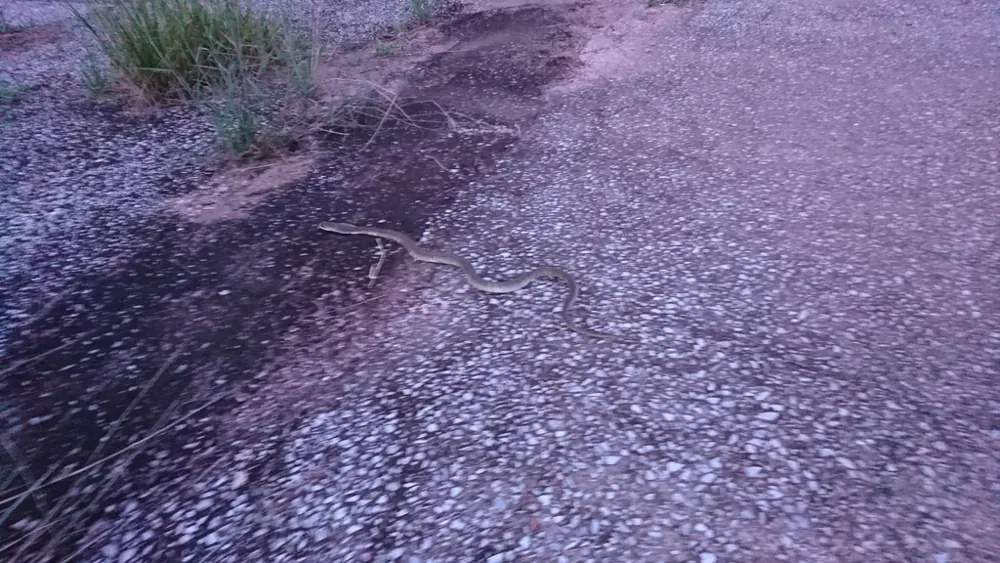
 Bí o ṣe lè dá a mọ̀
- Body colour ranges from grey to brown to black, with white spots or stripes.1
- The black and white colour form is common in central Thailand. Snakes from western Thailand are mostly black, and those from elsewhere are usually brown.1
- The hood mark may be spectacle-shaped or irregular, or missing altogether, especially in adults.1
- It is medium-sized with a more slender build than most other cobras in the genus Naja.1
A sábà máa ń ṣì í mọ̀ sí: The monocled cobra (Naja kaouthia) has a similar habitat, size and appearance, so it is easy to confuse with this species. This species is a 'true spitter' that sprays a mist, rather than the stream that many other spitting cobras produce.1
Agbára oró
Ó ń fọ́n tàbí tu omi tó ń ta ni sí àwọn tó bá kọlù ú.
Kí ni oró rẹ̀ máa ń ṣe?
Its venom is mainly a postsynaptic neurotoxin, which attacks the nerves, and a cytotoxin, which kills tissue. A bite causes pain, swelling and necrosis (death of tissue) around the wound. Neurotoxic effects can lead to paralysis and difficulty breathing. If venom is spat into the eyes, it causes immediate, severe pain and can cause temporary or sometimes permanent blindness.1
Báwo ló ṣe léwu tó fún ènìyàn?
Ewu fún ènìyàn: Ó léwu gan-anÓ lè pa ènìyàn tí kò bá rí ìtọ́jú.The bite is potentially lethal to an adult human. Deaths usually happen through paralysis and asphyxiation (suffocation), mainly in rural areas where antivenin is hard to obtain. In one Thai hospital survey, neurotoxic signs appeared in 12 of 114 cases (10.5%).1
 Ìròyìn ayọ̀: àwọn dókítà ní oògùn (antivenom) tàbí ìtọ́jú fún èyí.1
Kí ni ó máa ń ṣe nígbà tí ẹ̀rù bá bà á?
At night it is aggressive: it stands its ground, rears up, displays its hood and spits venom, and it bites as a last resort. In daylight it is usually timid and seeks shelter in the nearest burrow.1
 Bí ó bá bùjẹ tàbí tu oró
- Jẹ́ kí ẹni náà wà láìmira kí ó sì farabalẹ̀, yọ òrùka àti àwọn nǹkan tó há, kí ẹ sì lọ sí ilé ìwòsàn kíákíá: oògùn apa-oró (antivenom) ni ìtọ́jú rẹ̀.
- Bí ó bá tu oró sí ojú, fi omi mímọ́ púpọ̀ fọ ojú náà lẹ́sẹ̀kẹsẹ̀.
Máa kọ́kọ́ pe nọ́ńbà pàjáwìrì rẹ nígbà gbogbo (112, 000, 911). Èyí jẹ́ ìtọ́sọ́nà ìtọ́jú àkọ́kọ́ gbogbogbò, kì í ṣe ìmọ̀ràn ìṣègùn. Ìpìlẹ̀ ìtọ́jú àkọ́kọ́
 Wà láìléwu
- Má ṣe fọwọ́ kan, mú tàbí yọ ẹranko igbó lẹ́nu láéláé, kódà bí ó bá kéré, kódà bí ó bá dà bí ẹni pé ó ń sùn tàbí ó ti kú.
- Fún un ní àyè. Bí o bá pàdé ọ̀kan, farabalẹ̀, sẹ́yìn díẹ̀díẹ̀ kí o sì jẹ́ kí ó máa bá ọ̀nà rẹ̀ lọ.
- Bí ọ̀kan bá bù ọ́ jẹ tàbí tu oró sí ojú rẹ: farabalẹ̀, má ṣe mira, pe nọ́ńbà pàjáwìrì rẹ (112, 000, 911) tàbí lọ sí ilé ìwòsàn kíákíá. Rántí bí ó ṣe rí, fọ́tò máa ń ṣèrànwọ́.
Kò wá ọ kiri láti ṣe ọ́ léṣe. Ó ń lo oró rẹ̀ láti mú oúnjẹ tàbí láti dáàbò bo ara rẹ̀, ó sì fẹ́ràn láti farapamọ́ jù. Sí i nípa wíwà láìléwu
Báwo ló ṣe tóbi tó?
Báwo ló ṣe gùn tó?
Báwo ló ṣe wúwo tó?
 ó gùn tó ológbò ilé 3 láti imú dé ìrù
 ó gùn tó ọ̀gẹ̀dẹ̀ 9 tí a tò tẹ̀léra
 lè sáré mítà 100 ní ìṣẹ́jú-àáyá 51 (ènìyàn tó yára jùlọ nílò 9.6)
Báwo ni Indochinese spitting cobra ṣe tóbi tó tí a bá fi wé ÌWỌ?
Ìṣirò nìkan nínú bráwúsà rẹ. A kò fi ohunkóhun pamọ́, a kò sì fi ránṣẹ́ sí ibikíbi.
Báwo ló ṣe yára tó?


Òtítọ́
Some hatchlings are about 32 cm long, and they are venomous from the moment they hatch.1
Its reported spitting range is about 1 metre, the shortest of any spitting cobra, although one researcher reports it may reach about 2 metres in a stream.1
It has been reported in Taiwan, where it was released into the wild as part of folklore Buddhist practices.1
The black and white form is so distinctive that it is the best-known colour phase, especially in central Thailand.1
Olùfọ́ àròsọ
Àròsọ: It is the same animal as the monocled cobra or the Chinese cobra.
Òtítọ́: It was once confused with these snakes, but it has been confirmed as a distinct species.1
Fún àwọn amòye oró
- Orúkọ sáyẹ́ǹsì
- Naja siamensis
- Ẹgbẹ́
- Ṣèbé, mamba àti krait
- Ìdílé
- Elapidae2
- Ètò
- Squamata
- Àwọn kọ́ńtínẹ́ńtì
- Éṣíà
- Àwọn ọmọ
- It lays eggs. A female lays 13 to 19 eggs, which hatch after 48 to 70 days depending on temperature. Hatchlings are independent and already have working venom systems, so they should be treated with the same respect as adults.1
- Ewu fún ènìyàn
- 4 / 5: Ó léwu gan-an3
Ibi tí àwọn òtítọ́ ti wá
- Siamese spitting cobra (Wikipedia (CC BY-SA 4.0))
- Naja siamensis (iNaturalist): orúkọ àti ìpínsísọ̀rí.
- Venom Wiki: ìpele ewu, ìtóbi déédé àti àfojúbù ìyára jẹ́ tiwa. Wo bí a ṣe ń ṣírò wọn: Bí a ṣe ń díwọ̀n ewu.
Gbogbo òtítọ́ ojú-ìwé yìí ní nọ́ńbà tó tọ́ka sí orísun rẹ̀. Bí a bá ṣe àṣìṣe, má bínú, olólùfẹ́ ẹranko ni wá, kì í ṣe ìwé ìròyìn sáyẹ́ǹsì. Sọ fún wa ní [email protected] a ó sì tún un ṣe.
 Ebi ń pa àkekèé! Iṣẹ́ akanṣe ẹnì kan ṣoṣo ni Venom Wiki: ọ̀fẹ́ ni, kò sí ìpolówó, kò sì sí olùtọpinpin. Ẹ̀bùn kékeré ń ràn án lọ́wọ́ láti wà lórí íńtánẹ́ẹ̀tì.Bọ́ àkekèé
 Indian cobra
 King cobra
 Caspian cobra
 Common krait
 Malayan krait
 Many-banded krait
 Deathstalker
 Indian saw-scaled viper
 Puff adder
 Paramọlẹ Russell
 Asian giant hornet
 Komodo dragon