
 Áfíríkà
 Éṣíà
Éṣíà Yúróòpù
 Gúúsù Amẹ́ríkà
 Ọsirélíà àti Òṣéáníà
 Antáktíkà
 Òkun Pàsífíìkì
 Òkun Àtìláńtíìkì
 Òkun Íńdíà
 Òkun Áktíkì
 Òkun Mẹditaréníà
 Òkun Pupa
 Òkun Káríbíànù
 Òkun Coral
 Òkun Gúúsù Ṣáínà
 Òkun Fílípínì
 Òkun Andaman
 Òkun Àríwá
 Òkun Tímọ̀ àti Òkun Àráfúrà
 Ìyawọlẹ̀ Òkun Bẹ̀ngál
 Ìyawọlẹ̀ Òkun Kalifọ́níà
Javan spitting cobra
 Ó ń fọ́n tàbí tu
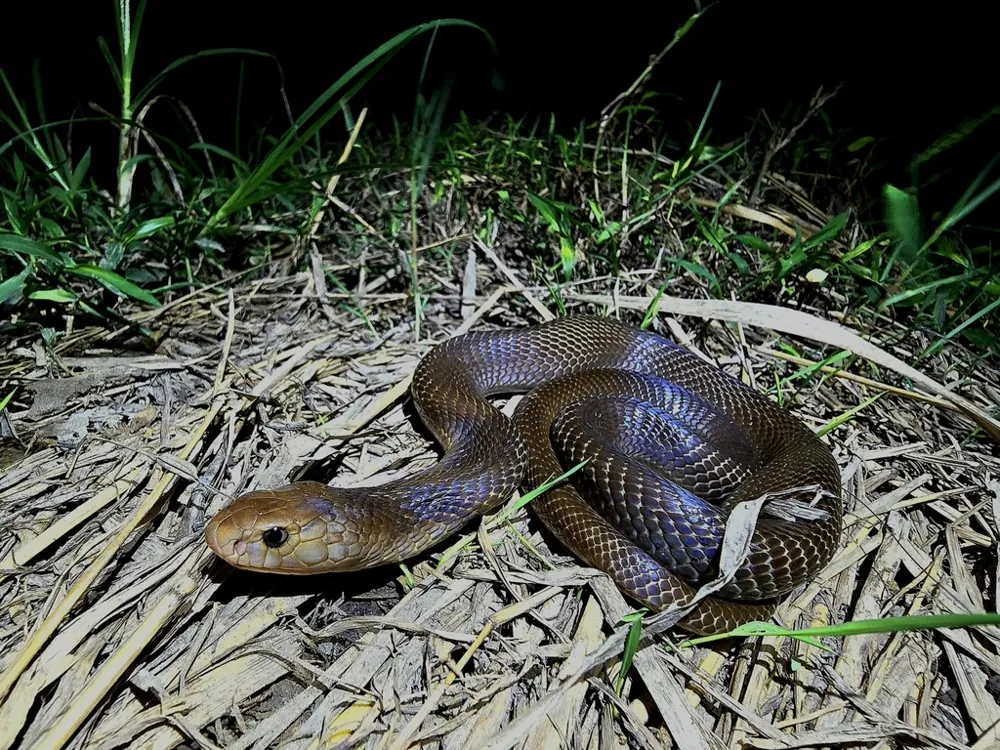
The Javan spitting cobra is a venomous snake that lives on the islands of Java, Bali and other Lesser Sunda Islands in Indonesia. It is named for its habit of spraying venom at a threat instead of only biting. It is a medium to large snake, and adults can grow to nearly 2 metres long.1



 Bí o ṣe lè dá a mọ̀
- Adults are usually a uniform yellowish, brown or blackish colour.1
- Juveniles often have throat bands and lateral throat spots.1
- When a hood mark is present, it is most often chevron-shaped (V-shaped).1
- It has smooth, very oblique dorsal scales and expands a hood when threatened.1
- The average adult length is 1.3 metres, with a maximum of around 1.85 metres.1
Agbára oró
Ó ń fọ́n tàbí tu omi tó ń ta ni sí àwọn tó bá kọlù ú.
Kí ni oró rẹ̀ máa ń ṣe?
Its venom contains mainly cardiotoxins, which act on the heart, and smaller amounts of neurotoxins, which act on the nerves. Its venom has a strong anticoagulant effect, meaning it weakens the blood's ability to clot. The venom may be potent but may not be particularly rapid-acting.1
Báwo ló ṣe léwu tó fún ènìyàn?
Ewu fún ènìyàn: Ó léwu gan-anÓ lè pa ènìyàn tí kò bá rí ìtọ́jú.Very few human deaths are attributed to this species.1
Kí ni ó máa ń ṣe nígbà tí ẹ̀rù bá bà á?
It is very defensive and readily spits venom when it feels threatened, and its hood expands as a warning.1
 Bí ó bá bùjẹ tàbí tu oró
- Jẹ́ kí ẹni náà wà láìmira kí ó sì farabalẹ̀, yọ òrùka àti àwọn nǹkan tó há, kí ẹ sì lọ sí ilé ìwòsàn kíákíá: oògùn apa-oró (antivenom) ni ìtọ́jú rẹ̀.
- Bí ó bá tu oró sí ojú, fi omi mímọ́ púpọ̀ fọ ojú náà lẹ́sẹ̀kẹsẹ̀.
Máa kọ́kọ́ pe nọ́ńbà pàjáwìrì rẹ nígbà gbogbo (112, 000, 911). Èyí jẹ́ ìtọ́sọ́nà ìtọ́jú àkọ́kọ́ gbogbogbò, kì í ṣe ìmọ̀ràn ìṣègùn. Ìpìlẹ̀ ìtọ́jú àkọ́kọ́
 Wà láìléwu
- Má ṣe fọwọ́ kan, mú tàbí yọ ẹranko igbó lẹ́nu láéláé, kódà bí ó bá kéré, kódà bí ó bá dà bí ẹni pé ó ń sùn tàbí ó ti kú.
- Fún un ní àyè. Bí o bá pàdé ọ̀kan, farabalẹ̀, sẹ́yìn díẹ̀díẹ̀ kí o sì jẹ́ kí ó máa bá ọ̀nà rẹ̀ lọ.
- Bí ọ̀kan bá bù ọ́ jẹ tàbí tu oró sí ojú rẹ: farabalẹ̀, má ṣe mira, pe nọ́ńbà pàjáwìrì rẹ (112, 000, 911) tàbí lọ sí ilé ìwòsàn kíákíá. Rántí bí ó ṣe rí, fọ́tò máa ń ṣèrànwọ́.
Kò wá ọ kiri láti ṣe ọ́ léṣe. Ó ń lo oró rẹ̀ láti mú oúnjẹ tàbí láti dáàbò bo ara rẹ̀, ó sì fẹ́ràn láti farapamọ́ jù. Sí i nípa wíwà láìléwu
Báwo ló ṣe tóbi tó?
Báwo ló ṣe gùn tó?
 ó gùn tó ológbò ilé 4 láti imú dé ìrù
 ó gùn tó ọ̀gẹ̀dẹ̀ 10 tí a tò tẹ̀léra
 lè sáré mítà 100 ní ìṣẹ́jú-àáyá 48 (ènìyàn tó yára jùlọ nílò 9.6)
Báwo ni Javan spitting cobra ṣe tóbi tó tí a bá fi wé ÌWỌ?
Ìṣirò nìkan nínú bráwúsà rẹ. A kò fi ohunkóhun pamọ́, a kò sì fi ránṣẹ́ sí ibikíbi.
Báwo ló ṣe yára tó?


Òtítọ́
It is one of the few cobras that can spit venom at a threat, and it does so readily.1
Cardiotoxins make up about 60% of its venom by dry weight, while neurotoxins make up only about 4.5%.1
The Komodo dragon preys on this cobra, which makes it easy prey for that lizard.1
Hatchlings are completely independent from birth, so no parent cares for them.1
Olùfọ́ àròsọ
Àròsọ: Komodo specimens are reluctant to spit.
Òtítọ́: Field observations suggest the opposite: they do spit.1
Fún àwọn amòye oró
- Orúkọ sáyẹ́ǹsì
- Naja sputatrix
- Ẹgbẹ́
- Ṣèbé, mamba àti krait
- Ìdílé
- Elapidae2
- Ètò
- Squamata
- Àwọn kọ́ńtínẹ́ńtì
- Éṣíà
- Àwọn ọmọ
- Females lay about 16 eggs on average, with clutches of 13 to 19 eggs, and the incubation period is about 88 days. Hatchlings are completely independent from birth.1
- Bí ó ṣe ń ṣe nínú igbó
- CITES Appendix II (not threatened with extinction now, but may become so unless trade is strictly regulated; commonly harvested for skins and occasionally found in the pet trade)1
- Ewu fún ènìyàn
- 4 / 5: Ó léwu gan-an3
Ibi tí àwọn òtítọ́ ti wá
- Javan spitting cobra (Wikipedia (CC BY-SA 4.0))
- Naja sputatrix (iNaturalist): orúkọ àti ìpínsísọ̀rí.
- Venom Wiki: ìpele ewu, ìtóbi déédé àti àfojúbù ìyára jẹ́ tiwa. Wo bí a ṣe ń ṣírò wọn: Bí a ṣe ń díwọ̀n ewu.
Gbogbo òtítọ́ ojú-ìwé yìí ní nọ́ńbà tó tọ́ka sí orísun rẹ̀. Bí a bá ṣe àṣìṣe, má bínú, olólùfẹ́ ẹranko ni wá, kì í ṣe ìwé ìròyìn sáyẹ́ǹsì. Sọ fún wa ní [email protected] a ó sì tún un ṣe.
 Ebi ń pa àkekèé! Iṣẹ́ akanṣe ẹnì kan ṣoṣo ni Venom Wiki: ọ̀fẹ́ ni, kò sí ìpolówó, kò sì sí olùtọpinpin. Ẹ̀bùn kékeré ń ràn án lọ́wọ́ láti wà lórí íńtánẹ́ẹ̀tì.Bọ́ àkekèé
 Indian cobra
 King cobra
 Caspian cobra
 Common krait
 Malayan krait
 Many-banded krait
 Deathstalker
 Indian saw-scaled viper
 Puff adder
 Paramọlẹ Russell
 Asian giant hornet
 Komodo dragon