
 Afirik
 Asiya
Asiya Turai
Turai Amerik Worgo
 Australiya e Oseaniya
 Antarktika
 Baharu Pasifik
 Baharu Atlantik
 Baharu Indiya
 Baharu Arktik
 Baharu Mediterane
 Baharu Boɗeeru
 Baharu Karibiya
 Baharu Koral
 Baharu Ciina Worgo
 Baharu Filipin
 Baharu Andaman
 Baharu Rewo
 Baharu Timor e Arafura
 Baharu Bengal
 Baharu Kaliforniya
Venezuelan lancehead
 Ina ŋata
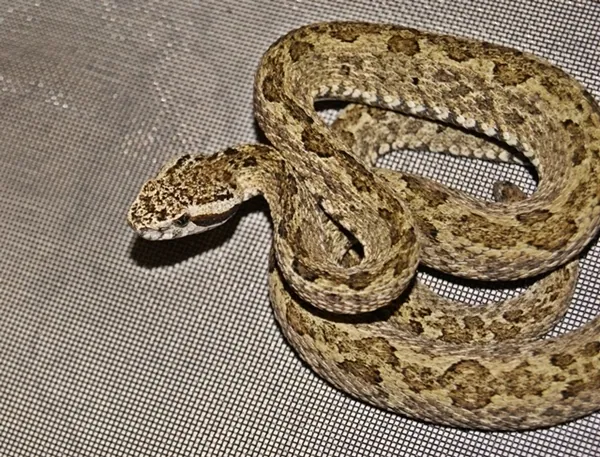
The Venezuelan lancehead is a venomous snake from the viper family, Viperidae. It is found only in South America, in Colombia and northern Venezuela. Serious bites have been reported, so it matters to people who live in or visit the area.1
Doole tooke
Tooke ina yalta e ñiiƴe mum si nde ŋatii.
Hol ko tooke mum (ŋatol walla fiɗol) waɗata?
The venom contains procoagulants, which are substances that promote clotting. It may also contain myotoxins, which damage muscle, and cytotoxic substances, which damage cells. In one reported case, a patient bitten by a juvenile snake had local swelling, severe pain and damage to the lining of blood vessels. Within 1.5 hours his blood could no longer clot, and he developed kidney injury with blood in the urine, fluid build-up in the lungs that needed ventilation, and treatment with the diuretic furosemide.1
Hol no nde woni bone e yimɓe?
Bone e yimɓe: Bone sanneIna waawi warde neɗɗo mo heɓaali safaara.Little is known about how dangerous the venom is to humans, but potentially lethal envenoming is possible. The species is linked to high rates of snakebite illness and death in Venezuela.1
 Si nde ŋatii
- Deeƴin neɗɗo oo, taa o dilla, waɗu koyngal walla junngo ŋataangal e toowal ɓernde, ittu zoobe e geɗe ɗigginiiɗe, yahra mo asibiti law.
Sahaa fof, noddu lamba ballal yaawngal (112, 000, 911) ko adii. Ɗum ko ballal arano kuuɓal, wonaa wasiyya doktaa. Aslu ballal arano
 Reen hoore maa
- Taa memu, taa nanngu, taa aaɓnu dabbaare ladde abada, hay pamaro, hay si ina wayi no ɗaanii walla maayii.
- Accu nde nokku. Si a fottii e gooto, deeƴu, ruttu caggal seeɗa seeɗa, accu nde yaha laawol mum.
- Si gooto e majji ŋatii ma: deeƴu, taa dillu, noddu lamba ballal yaawngal (112, 000, 911) walla yah asibiti law. Siftor no nde wayri, foto ina walla.
Nde ɗaɓɓaaki ma. Nde huutora tooke mum ngam nanngude ñaamdu walla reende hoore mum, nde ɓuri yiɗde suuɗaade. Ɓeydu anndude no reentorto
Hol to e aduna?
Hol no nde mawni?
Hol no nde juuti?
 juuti no ullundi galle 2, hinere haa laaci
 juuti no ayaba 6 jokkondiraaɗi
 ina waawi dogde meeter 100 nder sakan 95 (neɗɗo ɓurɗo yaawde ina haani 9,6)
Hol no Venezuelan lancehead mawni, fottindaade e AAN?
Hiisa tan nder browser maa. Alaa ko mooftetee walla ko neletee.
Hol no nde yaawi?


Anndal
Ɗo anndal iwi
- Bothrops venezuelensis (Wikipedia (CC BY-SA 4.0))
- Bothrops venezuelensis (iNaturalist): inɗe e tolnugol.
- Venom Wiki: darja bone, mawnude woowaaɗo e miijo yaawre ko amen. Ndaar no min hiisirta ɗum: No min betiri bone.
Kala anndal e ngoo hello ina jogii limre hollirnde iwdi mum. Si min juumii, accu min, min yiɗɓe dabbaaji, wonaa jaridaa ganndal. Wiy min e [email protected] min feewnitay.
 Yaare nden ina heege! Venom Wiki ko golle neɗɗo gooto: meere, tawa tallaaji alaa, trackers alaa. Ballal pamarngal ina walla heddinde ɗum e internet.Ñaamnu yaare nden
Goɗɗi e fedde wootere: Pit viper
 Terciopelo
 Eyelash viper
 Golden lancehead
 South American bushmaster
 Common lancehead
 Jararaca
Ina wona kadi e: Amerik Worgo
 Paaɓi tooke kaŋŋeKwaɗoji tooke, kwaɗoji mawɗi e newtWarooɗoTaa memu
 Brazilian wandering spiderGizo-gizoIna waawi warde
 Cane toadKwaɗoji tooke, kwaɗoji mawɗi e newtIna haani doktaaTaa memu
 Peruvian giant centipedeShanshaniIna haani doktaa
 Bullet antTururuwaIna muusa tan
 Common vampire batDabbaaji muynooji tookeIna muusa tan