
 Afryka
 Azja
Azja Europa
 Ameryka Południowa
 Australia i Oceania
 Antarktyda
 Ocean Spokojny
 Ocean Atlantycki
 Ocean Indyjski
 Ocean Arktyczny
 Morze Śródziemne
 Morze Czerwone
 Morze Karaibskie
 Morze Koralowe
 Morze Południowochińskie
 Morze Filipińskie
 Morze Andamańskie
 Morze Północne
 Morze Timor i Morze Arafura
 Zatoka Bengalska
 Zatoka Kalifornijska
Cantil
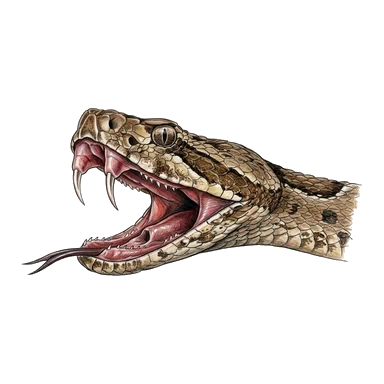 Ugryzienia
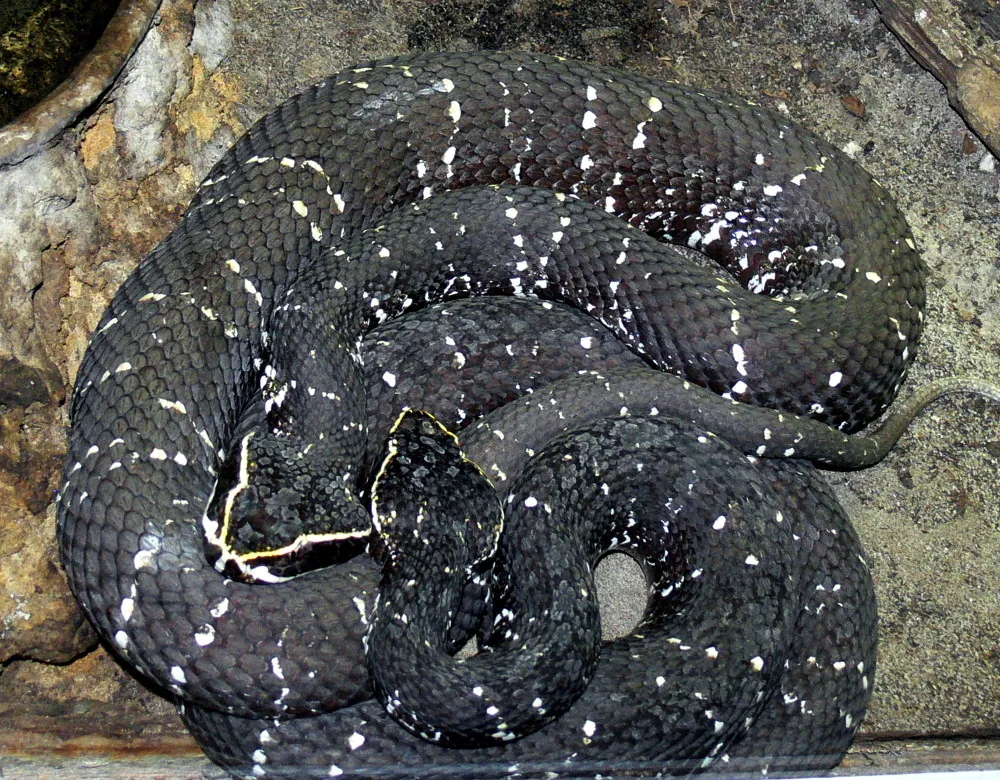
The cantil is a highly venomous pit viper, a type of snake that senses heat with pits on its face. It lives in Mexico and Central America, reaching south as far as Honduras. Its bite can be very dangerous, which is why it is so well known in the region.1
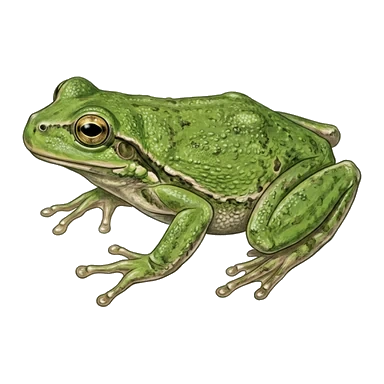
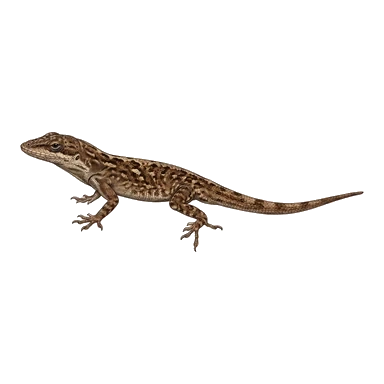
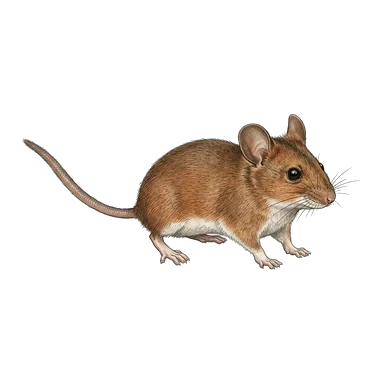
 Jak je rozpoznać
- Heavy-bodied, with a broad, triangular head and small eyes with vertical pupils.1
- Usually brown or black, with darker brown or black banding, sometimes with white or cream accents.1
- Yellow and/or white lines on the head, including a broader line on the upper lip.1
- Juveniles are almost always distinctly banded, with bright green or yellow tail tips.1
- Adults are often more faded, with their pattern and colour darkening as they age.1
Często mylone z: It shares its general body structure with the copperhead and is in the same genus as the cottonmouth, so it is closely related to both.1
Siła jadu
Jad wydostaje się przez kły lub zęby, gdy zwierzę gryzie.
Jak działa jego jad?
Bites can cause local pain, swelling and discolouration, but bites from adults can cause massive swelling and necrosis, which is the death of body tissue. Symptoms reported in Honduras include severe pain, bleeding from the fang punctures, nosebleeds, bleeding gums, blood in the urine, shock and kidney failure. Some bites were fatal within only a few hours.1
Jak bardzo jest niebezpieczne dla ludzi?
Zagrożenie dla ludzi: Bardzo niebezpieczneMoże zabić człowieka, który nie dostanie leczenia.The cantil is feared throughout its range, and in Sonora, Mexico, it is feared more than any other reptile. In Nicaragua, it is considered the country's most dangerous snake. One researcher suggested that amputation may be needed in about one in six cases because of necrosis. It is generally shy, and its reputation for aggression is probably not well deserved.1
 Dobra wiadomość: lekarze mają na to lek (surowicę przeciwjadową) albo leczenie.1
Co robi, gdy się boi?
It first relies on camouflage. If that fails, it coils tightly, raises the end of its tail and vibrates it to make a loud whipping sound, and may strike or gape, but only when it has no other choice.1
 Jeśli ugryzie
- A polyvalent antivenom, made by the Instituto Clodomiro Picado in Costa Rica, is used to treat bites from this species.1
- Trzymaj poszkodowanego w bezruchu i spokoju, trzymaj ugryzioną kończynę na wysokości serca, zdejmij pierścionki i to, co ciasne, i jak najszybciej dotrzyj do szpitala.
Zawsze najpierw dzwoń na numer alarmowy (112, 000, 911). To ogólne wskazówki pierwszej pomocy, a nie porada medyczna. Podstawy pierwszej pomocy
 Uważaj na siebie
- Nigdy nie dotykaj, nie łap ani nie drażnij dzikiego zwierzęcia, nawet małego, i nawet jeśli wygląda, jakby spało albo było martwe.
- Zostaw mu miejsce. Jeśli je spotkasz, zachowaj spokój, powoli się wycofaj i pozwól mu odejść.
- Jeśli cię ugryzie: zachowaj spokój, nie ruszaj się, zadzwoń na numer alarmowy (112, 000, 911) albo jak najszybciej dotrzyj do szpitala. Zapamiętaj, jak wyglądało, zdjęcie pomaga.
Nie poluje na ciebie. Używa jadu, żeby złapać jedzenie albo się bronić, i dużo bardziej woli się schować. Więcej o bezpieczeństwie
Jakie jest duże?
Jakie jest długie?
 długie jak 1,5 kotów domowych od nosa do ogona
 długie jak 4 bananów ułożonych jeden za drugim
 100 metrów w 100 s (najszybszy człowiek potrzebuje 9,6)
Cantil: jak duże jest w porównaniu z TOBĄ?
Zwykła matematyka w twojej przeglądarce. Nic nie jest zapisywane ani nigdzie wysyłane.
Jak szybkie jest?


Fakty
Pogromca mitów
Mit: The cantil has a reputation for having a nasty disposition and being extremely aggressive.
Prawda: This reputation is probably not well deserved. The cantil is generally shy and relies on camouflage first, and it only displays or strikes when it has no other choice.1
Dla znawców jadu
- Nazwa naukowa
- Agkistrodon bilineatus
- Grupa
- Grzechotnikowate
- Rodzina
- Viperidae2
- Kolejność
- Squamata
- Kontynenty
- Ameryka Północna
- Młode
- Cantils are ovoviviparous, meaning they give birth to live young rather than laying eggs. They breed in spring and give birth to 5 to 20 young at a time.1
- Jak sobie radzi na wolności
- Near Threatened (IUCN Red List). Its population trend is down, and its primary ecological concern is habitat loss.1
- Zagrożenie dla ludzi
- 4 / 5: Bardzo niebezpieczne3
Skąd pochodzą fakty
- Agkistrodon bilineatus (Wikipedia (CC BY-SA 4.0))
- Agkistrodon bilineatus (iNaturalist): nazwy i klasyfikacja.
- Venom Wiki: poziom zagrożenia, typowy rozmiar i szacowana prędkość to nasze własne oceny. Zobacz, jak je ustalamy: Jak oceniamy zagrożenie.
Każdy fakt na tej stronie ma numer, który wskazuje jego źródło. Jeśli coś pomyliliśmy, przepraszamy, jesteśmy fanami zwierząt, a nie czasopismem naukowym. Napisz do nas na [email protected], a poprawimy to.
 Skorpion jest głodny! Venom Wiki to projekt jednej osoby: darmowy, bez reklam i bez śledzenia. Mały napiwek pomaga utrzymać go w sieci.Nakarm skorpiona
 Terciopelo
 Eyelash viper
 Cottonmouth
 Eastern copperhead
 Central American bushmaster
 Martinique lancehead
 Eastern coral snake
 Eastern diamondback rattlesnake
 Timber rattlesnake
 Western diamondback rattlesnake
 Arizona bark scorpion
 Brown recluse