
 Afrika
 Asia
Asia Ulaya
Ulaya Amerika Kusini
 Australia na Oceania
 Antaktika
 Bahari ya Pasifiki
 Bahari ya Atlantiki
 Bahari ya Hindi
 Bahari ya Aktiki
 Bahari ya Mediterania
 Bahari ya Shamu
 Bahari ya Karibi
 Bahari ya Matumbawe
 Bahari ya Kusini ya China
 Bahari ya Ufilipino
 Bahari ya Andaman
 Bahari ya Kaskazini
 Bahari ya Timor na Arafura
 Ghuba ya Bengal
 Ghuba ya California
Cantil
 Kuumwa
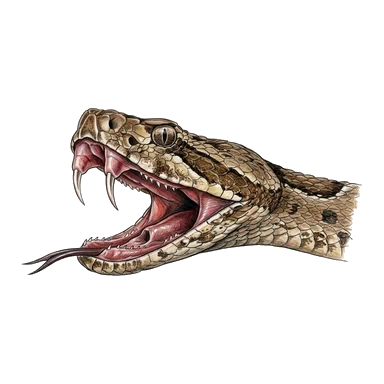
The cantil is a highly venomous pit viper, a type of snake that senses heat with pits on its face. It lives in Mexico and Central America, reaching south as far as Honduras. Its bite can be very dangerous, which is why it is so well known in the region.1
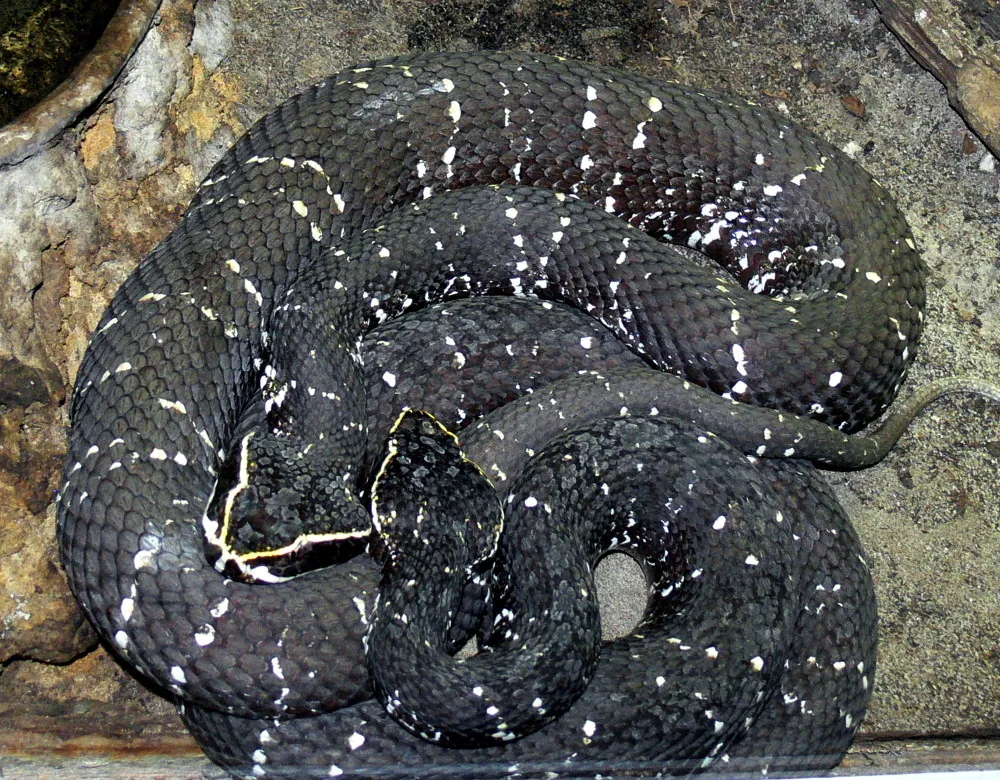
 Jinsi ya kumtambua
- Heavy-bodied, with a broad, triangular head and small eyes with vertical pupils.1
- Usually brown or black, with darker brown or black banding, sometimes with white or cream accents.1
- Yellow and/or white lines on the head, including a broader line on the upper lip.1
- Juveniles are almost always distinctly banded, with bright green or yellow tail tips.1
- Adults are often more faded, with their pattern and colour darkening as they age.1
Mara nyingi huchanganywa na: It shares its general body structure with the copperhead and is in the same genus as the cottonmouth, so it is closely related to both.1
Nguvu ya sumu
Sumu hutoka kupitia meno yake ya sumu au meno anapouma.
Sumu yake hufanya nini?
Bites can cause local pain, swelling and discolouration, but bites from adults can cause massive swelling and necrosis, which is the death of body tissue. Symptoms reported in Honduras include severe pain, bleeding from the fang punctures, nosebleeds, bleeding gums, blood in the urine, shock and kidney failure. Some bites were fatal within only a few hours.1
Ana hatari gani kwa watu?
Hatari kwa watu: Hatari sanaAnaweza kumuua mtu asiyepata matibabu.The cantil is feared throughout its range, and in Sonora, Mexico, it is feared more than any other reptile. In Nicaragua, it is considered the country's most dangerous snake. One researcher suggested that amputation may be needed in about one in six cases because of necrosis. It is generally shy, and its reputation for aggression is probably not well deserved.1
 Habari njema: madaktari wana dawa (ya kuzuia sumu) au matibabu ya hili.1
Hufanya nini akiogopa?
It first relies on camouflage. If that fails, it coils tightly, raises the end of its tail and vibrates it to make a loud whipping sound, and may strike or gape, but only when it has no other choice.1
 Akiuma
- A polyvalent antivenom, made by the Instituto Clodomiro Picado in Costa Rica, is used to treat bites from this species.1
- Mweke mtu bila kutikisika na mtulivu, weka kiungo kilichoumwa usawa wa moyo, ondoa pete na vitu vinavyobana, na umpeleke hospitali haraka.
Daima piga namba ya dharura kwanza (112, 000, 911). Huu ni mwongozo wa jumla wa huduma ya kwanza, si ushauri wa kitabibu. Misingi ya huduma ya kwanza
 Kaa salama
- Kamwe usimguse, kumkamata wala kumchokoza mnyama wa porini, hata akiwa mdogo, na hata akionekana amelala au amekufa.
- Mpe nafasi. Ukikutana naye, tulia, rudi nyuma polepole na umwache aende zake.
- Akikuuma: tulia, usitikisike, piga namba yako ya dharura (112, 000, 911) au nenda hospitali haraka. Kumbuka alivyoonekana, picha husaidia.
Hakuwindi wewe. Hutumia sumu yake kukamata chakula au kujilinda, na hupendelea zaidi kujificha. Zaidi kuhusu kukaa salama
Ana ukubwa gani?
Ana urefu gani?
 urefu sawa na paka wa nyumbani 1.5 kutoka pua hadi mkia
 urefu sawa na ndizi 4 zilizopangwa mstari
 angeweza kukimbia mita 100 kwa sekunde 100 (binadamu mwenye kasi zaidi anahitaji 9.6)
Cantil ana ukubwa gani ukilinganisha na WEWE?
Ni hesabu tu kwenye kivinjari chako. Hakuna kinachohifadhiwa wala kutumwa popote.
Ana kasi gani?


Ukweli
Kuvunja dhana potofu
Dhana potofu: The cantil has a reputation for having a nasty disposition and being extremely aggressive.
Ukweli: This reputation is probably not well deserved. The cantil is generally shy and relies on camouflage first, and it only displays or strikes when it has no other choice.1
Kwa wataalamu wa sumu
- Jina la kisayansi
- Agkistrodon bilineatus
- Kundi
- Nyoka wenye vishimo
- Familia
- Viperidae2
- Mpangilio
- Squamata
- Mabara
- Amerika Kaskazini
- Watoto
- Cantils are ovoviviparous, meaning they give birth to live young rather than laying eggs. They breed in spring and give birth to 5 to 20 young at a time.1
- Hali yake porini
- Near Threatened (IUCN Red List). Its population trend is down, and its primary ecological concern is habitat loss.1
- Hatari kwa watu
- 4 / 5: Hatari sana3
Ukweli unatoka wapi
- Agkistrodon bilineatus (Wikipedia (CC BY-SA 4.0))
- Agkistrodon bilineatus (iNaturalist): majina na uainishaji.
- Venom Wiki: kiwango cha hatari, ukubwa wa kawaida na makadirio ya kasi ni yetu wenyewe. Ona jinsi tunavyovipata: Jinsi tunavyopima hatari.
Kila ukweli kwenye ukurasa huu una namba inayoonyesha chanzo chake. Kama tumekosea kitu, samahani, sisi ni wapenzi wa wanyama, si jarida la kisayansi. Tuambie kupitia [email protected] nasi tutarekebisha.
 Nge ana njaa! Venom Wiki ni mradi wa mtu mmoja: bure, bila matangazo na bila vifuatiliaji. Mchango mdogo husaidia kuiweka hewani.Mlishe nge
 Terciopelo
 Eyelash viper
 Cottonmouth
 Eastern copperhead
 Central American bushmaster
 Martinique lancehead
 Eastern coral snake
 Eastern diamondback rattlesnake
 Timber rattlesnake
 Western diamondback rattlesnake
 Arizona bark scorpion
 Brown recluse