
 افریقہ
 ایشیا
ایشیا یورپ
یورپ جنوبی امریکا
 آسٹریلیا اور اوشیانا
 انٹارکٹیکا
 بحر الکاہل
 بحر اوقیانوس
 بحر ہند
 بحر منجمد شمالی
 بحیرۂ روم
 بحیرۂ احمر
 بحیرۂ کیریبین
 بحیرۂ مرجان
 بحیرۂ جنوبی چین
 بحیرۂ فلپائن
 بحیرۂ انڈمان
 بحیرۂ شمال
 بحیرۂ تیمور اور ارافورا
 خلیج بنگال
 خلیج کیلیفورنیا
Aerial yellowjacket
 ڈنک
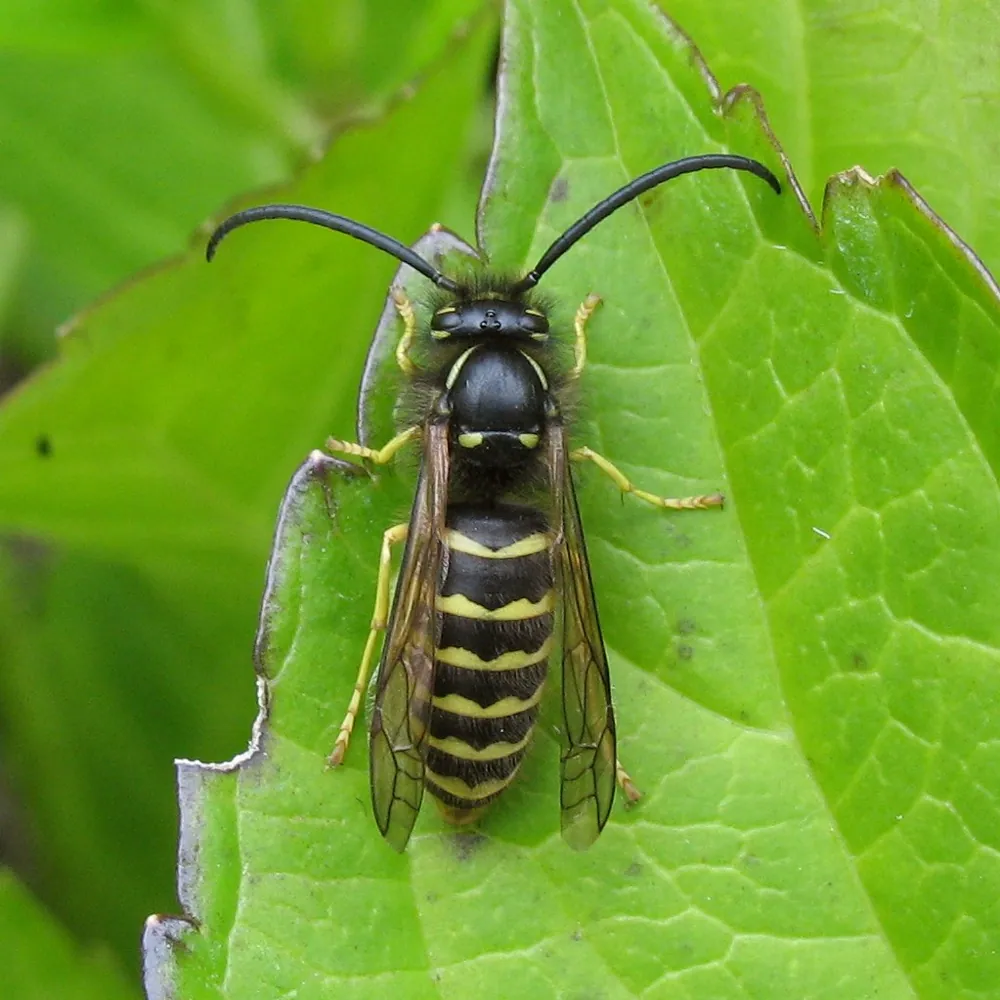
ڈنکThe aerial yellowjacket is a yellow and black wasp that lives across Canada and the United States. It builds grey paper nests, often high in trees, and it can deliver a sting. Its nests can be found on buildings in towns and cities.1
 اسے کیسے پہچانیں
- Yellow in colour, with bands on the abdomen (the rear part of the body)1
- No black markings on the ocular sinus (the area of the face around the eye)1
- Queens have large black spots on the abdomen, with smaller spots towards the front1
- Males have larger antennae and an abdomen that ends in a flat, fuzzy tip instead of a pointed sting1
- Nests are made of dull grey paper, with 1 to 6 combs1
اکثر اس سے غلطی ہوتی ہے: It is often confused with other yellow wasps in its genus, such as Dolichovespula adulterina. The aerial yellowjacket can be told apart by the lack of black markings in the ocular sinus.1
زہر کی طاقت
زہر ایک ڈنک سے باہر آتا ہے۔
یہ انسانوں کے لیے کتنا خطرناک ہے؟
انسانوں کے لیے خطرہ: تکلیف دہبہت درد ہو سکتا ہے، لیکن تقریباً کبھی سنگین نہیں ہوتا۔ڈرنے پر یہ کیا کرتا ہے؟
When a nest is threatened, workers can spray venom out of their sting, which releases an alarm pheromone that draws other wasps into attack.1
 اگر یہ ڈنک مارے
- شہد کی مکھی کا ڈنک کھرچ کر نکالو اور جگہ کو ٹھنڈا کرو۔
- اگر اس شخص کو سانس لینے میں مشکل ہو، چہرہ یا گلا سوج جائے، یا بے ہوشی لگے، تو یہ الرجی کی ایمرجنسی ہے: اپنا ایمرجنسی نمبر ملاؤ اور اگر اس کے پاس ایڈرینالین پین ہے تو استعمال کرو۔
ہمیشہ پہلے اپنا ایمرجنسی نمبر (112، 000، 911) ملاؤ۔ یہ ابتدائی طبی امداد کی عام رہنمائی ہے، طبی مشورہ نہیں۔ ابتدائی طبی امداد کی بنیادی باتیں
 محفوظ رہو
- کسی جنگلی جانور کو کبھی مت چھوؤ، پکڑو یا چھیڑو، چاہے وہ چھوٹا ہو، اور چاہے سویا ہوا یا مرا ہوا لگے۔
- اسے جگہ دو۔ اگر یہ ملے تو پرسکون رہو، آہستہ آہستہ پیچھے ہٹو اور اسے اپنے راستے جانے دو۔
- اگر یہ تمہیں ڈنک مارے: پرسکون رہو، ہلو مت، اپنا ایمرجنسی نمبر (112، 000، 911) ملاؤ یا جلدی ہسپتال پہنچو۔ یاد رکھو کہ یہ کیسا دکھتا تھا، تصویر مدد کرتی ہے۔
یہ تمہارے پیچھے نہیں پڑا۔ یہ اپنا زہر شکار پکڑنے یا اپنی حفاظت کے لیے استعمال کرتا ہے، اور چھپنا زیادہ پسند کرتا ہے۔ محفوظ رہنے کے بارے میں مزید
یہ کتنا بڑا ہے؟
یہ کتنا لمبا ہے؟
 تمہاری چھوٹی انگلی سے بھی چھوٹا
 16 سیکنڈ میں پورا فٹبال میدان اڑ کر پار کر سکتا ہے
Aerial yellowjacket تمہارے مقابلے میں کتنا بڑا ہے؟
بس تمہارے براؤزر میں تھوڑا حساب۔ کچھ بھی محفوظ یا کہیں بھیجا نہیں جاتا۔
یہ کتنا تیز ہے؟


حقائق
Unlike many of its relatives, this wasp is known to spray venom out of its sting, a behaviour seen in workers from large colonies.1
Female bee moths (Aphomia sociella) sometimes lay their eggs in these nests, and their larvae can destroy large parts of the nest as they feed.1
Because nests are built high in trees, birds and other wasps are among the few predators that reach them. Skunks, opossums, raccoons and bears sometimes raid low or badly placed nests for the nutrient-rich larvae.1
Small colonies can behave unpredictably and erratically when defending their nest.1
Colonies usually last about a year before they die out as winter arrives.1
زہر کے ماہرین کے لیے
- سائنسی نام
- Dolichovespula arenaria
- گروہ
- شہد کی مکھیاں، بھڑیں اور ہارنیٹ
- خاندان
- Vespidae2
- ترتیب
- Hymenoptera
- براعظم
- شمالی امریکا
- بچے
- A queen starts a new colony each spring by building a small paper nest and laying eggs. The larvae grow into workers, and the colony peaks in summer.1
- انسانوں کے لیے خطرہ
- 2 / 5: تکلیف دہ3
حقائق کہاں سے آتے ہیں
- Dolichovespula arenaria (Wikipedia (CC BY-SA 4.0))
- Dolichovespula arenaria (iNaturalist): نام اور درجہ بندی۔
- Venom Wiki: خطرے کی سطح، عام سائز اور رفتار کا اندازہ ہمارا اپنا ہے۔ دیکھو ہم انہیں کیسے نکالتے ہیں: ہم خطرہ کیسے ناپتے ہیں.
اس صفحے کی ہر حقیقت کے ساتھ ایک نمبر ہے جو اس کے ذریعے کی طرف اشارہ کرتا ہے۔ اگر ہم سے کچھ غلط ہوا تو معاف کرنا، ہم جانوروں کے شوقین ہیں، کوئی سائنسی رسالہ نہیں۔ ہمیں [email protected] پر بتاؤ، ہم ٹھیک کر دیں گے۔
 بچھو بھوکا ہے! Venom Wiki ایک شخص کا منصوبہ ہے: مفت، بغیر اشتہار اور بغیر ٹریکر۔ ایک چھوٹی سی ٹپ اسے آن لائن رکھنے میں مدد کرتی ہے۔بچھو کو کھانا کھلاؤ
اسی گروہ کے مزید جانور: شہد کی مکھیاں، بھڑیں اور ہارنیٹ
 Tarantula hawkشہد کی مکھیاں، بھڑیں اور ہارنیٹبس درد ہوتا ہے
 Executioner waspشہد کی مکھیاں، بھڑیں اور ہارنیٹڈاکٹر کی ضرورت ہے
 Warrior waspشہد کی مکھیاں، بھڑیں اور ہارنیٹڈاکٹر کی ضرورت ہے
 Bald-faced hornetشہد کی مکھیاں، بھڑیں اور ہارنیٹبس درد ہوتا ہے
 Cow killer velvet antشہد کی مکھیاں، بھڑیں اور ہارنیٹبس درد ہوتا ہے
 Eastern cicada killerشہد کی مکھیاں، بھڑیں اور ہارنیٹبے ضرر
 ٹرسیوپیلو
 Eastern coral snake
 Eastern diamondback rattlesnake
 Eyelash viper
 Timber rattlesnake
 Western diamondback rattlesnake
.jpg)