
 Châu Phi
 Châu Á
 Châu Âu
 Nam Mỹ
 Úc và châu Đại Dương
 Châu Nam Cực
 Thái Bình Dương
 Đại Tây Dương
 Ấn Độ Dương
 Bắc Băng Dương
 Địa Trung Hải
 Biển Đỏ
 Biển Caribe
 Biển San Hô
 Biển Đông
 Biển Philippines
 Biển Andaman
 Biển Bắc
 Biển Timor và Arafura
 Vịnh Bengal
 Vịnh California
Habu
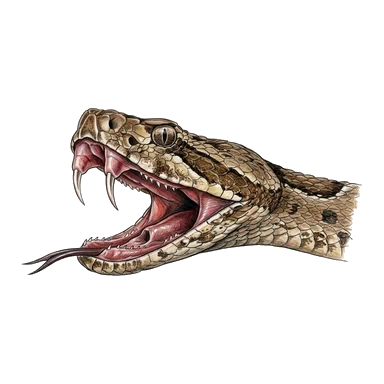 Vết cắn
The habu is a venomous pit viper that lives on the Ryukyu Islands of Japan, including Okinawa and the Amami Islands. It is the largest member of its genus, Protobothrops. Its bite is serious, so it is important to know what it looks like.1
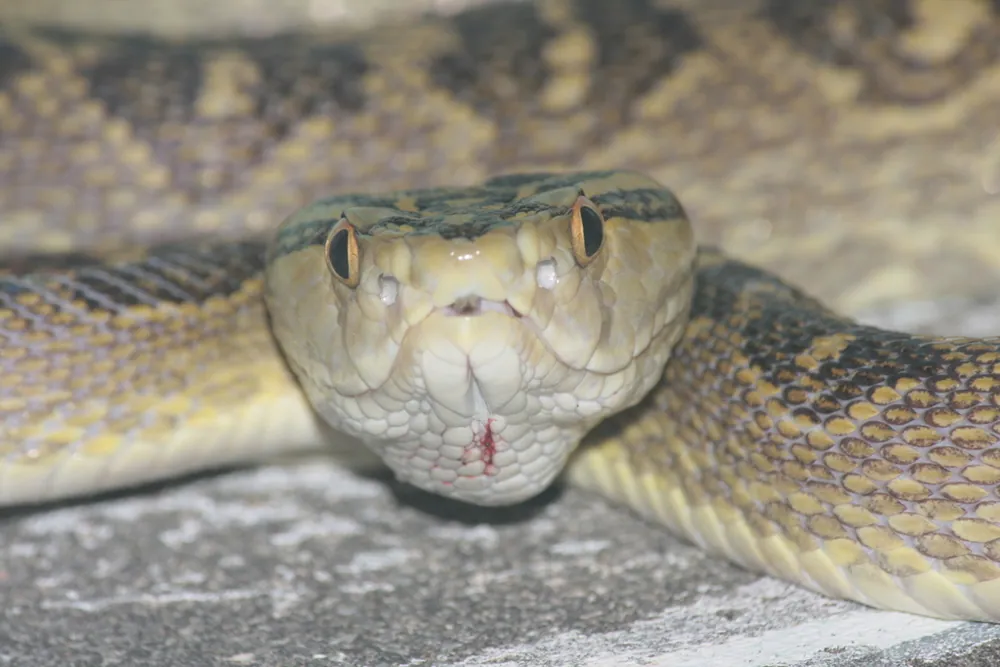
 Cách nhận biết
- Typically 120 to 150 cm long, including the tail, and slender with a large head1
- Light olive or brown body with elongated dark green or brownish blotches1
- Blotches have yellow edges, sometimes yellow spots, and often join to form wavy stripes1
- Whitish belly with dark edges1
- Crown of the head covered with small scales1
Hay bị nhầm với: In Okinawa Prefecture, the name habu can also refer to the Sakishima habu (Protobothrops elegans), also called the elegant pit viper. This is a different species.1
Sức mạnh nọc độc
Nọc độc thoát ra qua răng nanh hoặc răng khi nó cắn.
Nọc độc của nó gây ra gì?
The venom is highly toxic and contains cytotoxin, which damages body cells, and hemorrhagin, which damages blood vessels and causes bleeding. A bite can cause nausea, vomiting and low blood pressure, and it can possibly cause death. Some victims have lost movement in their hands and legs, even after treatment.1
Nó nguy hiểm thế nào với con người?
Nguy hiểm với con người: Rất nguy hiểmCó thể giết một người không được điều trị.The Amami Islands have about two snakebites per 1,000 people, which is considered very high. The fatality rate is less than 1%. Bites are not life-threatening if the victim receives medical care promptly, but 6 to 8% of victims suffer permanent disability.1
Nó làm gì khi sợ?
The habu is bold and irritable, and it can strike quickly from a long reach.1
 Nếu nó cắn
- Get medical care promptly. With prompt medical care, bites are not life-threatening.1
- Giữ người bị nạn nằm yên và bình tĩnh, để chi bị cắn ngang tầm tim, tháo nhẫn và đồ bó chặt, và đến bệnh viện thật nhanh.
Luôn gọi số khẩn cấp trước tiên (112, 000, 911). Đây là hướng dẫn sơ cứu chung, không phải lời khuyên y tế. Sơ cứu cơ bản
 Giữ an toàn
- Đừng bao giờ chạm, bắt hay trêu chọc động vật hoang dã, dù nó nhỏ, và dù trông như đang ngủ hay đã chết.
- Chừa khoảng cách cho nó. Nếu gặp, hãy bình tĩnh, lùi lại từ từ và để nó đi.
- Nếu nó cắn bạn: bình tĩnh, nằm yên, gọi số khẩn cấp (112, 000, 911) hoặc đến bệnh viện thật nhanh. Hãy nhớ hình dạng nó, có ảnh càng tốt.
Nó không nhắm vào bạn. Nó dùng nọc để bắt mồi hoặc tự vệ, và nó thích trốn hơn nhiều. Thêm về cách giữ an toàn
Nó to cỡ nào?
Nó dài bao nhiêu?
 dài bằng 5 con mèo nhà nối từ mũi đến đuôi
 dài bằng 13 quả chuối nối đuôi nhau
 có thể chạy 100 mét trong 86 giây (người nhanh nhất cần 9,6)
Habu to cỡ nào so với BẠN?
Chỉ là phép tính trong trình duyệt của bạn. Không có gì được lưu hay gửi đi đâu cả.
Nó nhanh cỡ nào?


Thông tin
On Okinawa, habus are heavily collected to make habushu, a liquor made from awamori sake, which is said to have medicinal properties.1
Unlike most pit vipers, the habu lays eggs rather than giving birth to live young.1
Hatchlings are about 25 cm long and look the same as the adults.1
The small Indian mongoose was introduced to Okinawa in 1910 to reduce the habu population. The effects of this have not been studied, but similar introductions have harmed native wildlife.1
The habu is the largest member of its genus, Protobothrops.1
Cho chuyên gia về nọc độc
Thông tin lấy từ đâu
- Protobothrops flavoviridis (Wikipedia (CC BY-SA 4.0))
- Protobothrops flavoviridis (iNaturalist): tên gọi và phân loại.
- Venom Wiki: mức nguy hiểm, kích thước điển hình và tốc độ ước đoán là của chúng tôi. Xem cách chúng tôi tính: Cách chúng tôi đánh giá nguy hiểm.
Mỗi thông tin trên trang này có một con số dẫn đến nguồn của nó. Nếu chúng tôi sai điều gì, xin lỗi nhé, chúng tôi là người mê động vật, không phải tạp chí khoa học. Hãy báo cho chúng tôi qua [email protected] và chúng tôi sẽ sửa.
 Bọ cạp đói rồi! Venom Wiki là dự án của một người: miễn phí, không quảng cáo, không theo dõi. Một chút tiền tip giúp trang tiếp tục hoạt động.Cho bọ cạp ăn
 Brown spotted pit viper
 Hump-nosed viper
 Hundred-pace viper
 Malayan pit viper
 Mamushi
 Mangshan pit viper
 Deathstalker
 Indian cobra
 Indian saw-scaled viper
 King cobra
 Rắn hổ lục Gaboon phì
 Rắn lục Russell