
 Afrịka
 Eshia
Eshia Yurop
Yurop Ndịda Amerika
 Ọstrelia na Oshenia
 Antaktika
 Oké Osimiri Pasifik
 Oké Osimiri Atlantik
 Oké Osimiri India
 Oké Osimiri Arktik
 Osimiri Mediterenian
 Osimiri Uhie
 Osimiri Karibịan
 Osimiri Coral
 Osimiri Ndịda China
 Osimiri Filipin
 Osimiri Andaman
 Osimiri Ugwu (North Sea)
 Osimiri Timor na Arafura
 Ọwara Bengal
 Ọwara California
Common cuttlefish
 Ịta
ỊtaThe common cuttlefish is a sea creature related to squid and octopuses. It is one of the largest and best-known cuttlefish species. It lives on sand and mud seabeds in the Mediterranean, North Sea and Baltic Sea.1
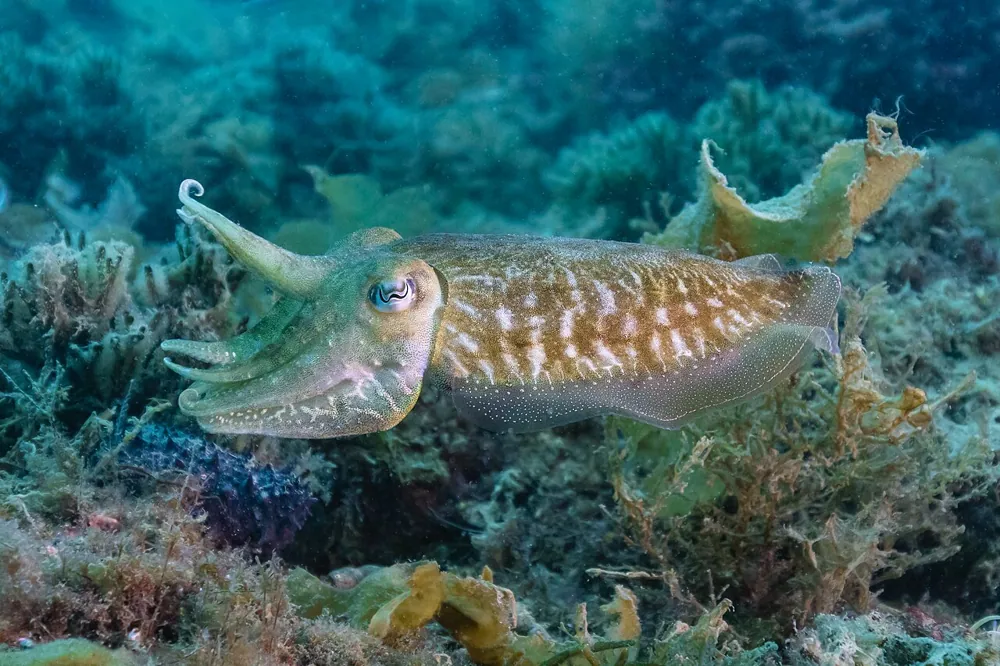
 Otú ị ga-esi mata ya
- Two highly developed eyes and eight arms around the mouth, plus two longer feeding tentacles1
- An internal shell, the cuttlebone, on the back of the body1
- Males in breeding season show a bold black and white zebra pattern on the mantle1
- Females in breeding season show a uniform grey colour1
- Can change colour and skin texture to blend into its surroundings1
Ike nsị
Nsị na-esi n'eze nsị ya ma ọ bụ eze ya apụta mgbe ọ na-ata.
Kedu otú o si dị egwu nye mmadụ?
Ihe ize ndụ nye mmadụ: ObereDị ka ịgba aṅụ ma ọ bụ nke na-erughị ya. Ọ fọrọ nke nta ka ọ ghara ịdị njọ nye mmadụ.Gịnị ka ọ na-eme mgbe ụjọ tụrụ ya?
It hides by camouflage, sitting still while a predator passes. If found, it jets away using its siphon and often releases ink.1
 Ọ bụrụ na ọ tara
- Mkpakọ na nkwụsi ahụ (pressure immobilisation): jiri bandeji na-agbatị agbatị (elastic bandage) kee ebe ọ tara nke ọma, wee kee ya gaa n'elu aka ma ọ bụ ụkwụ ahụ niile, jiri splint (osisi nkwado) kwado ya, mee ka onye ahụ ghara imegharị ahụ ma ọlị ruo mgbe enyemaka bịarutere.
- Octopus nwere mgbanaka acha anụnụ anụnụ ma ọ bụ ejula cone nwere ike ime ka mmadụ kwụsị iku ume mgbe ọ ka maara ihe: kpọọ maka enyemaka, dịkwa njikere inye ya ume nnapụta (ifu ume n'ọnụ ya) ruo mgbe ndị ụgbọ ndị ọrịa bịarutere were ọrụ ahụ.
Na-ebu ụzọ kpọọ nọmba mberede gị mgbe niile (112, 000, 911). Nke a bụ ndụmọdụ enyemaka mbụ n'ozuzu, ọ bụghị ndụmọdụ ọgwụ. Isi ihe enyemaka mbụ
 Nọrọ na nchekwa
- Emetụla anụ ọhịa aka, ejidela ya, emekwala ya ihe ọjọọ, ọbụna obere, ọbụna ma ọ dị ka ọ na-ehi ụra ma ọ bụ nwụọ anwụ.
- Nye ya ohere. Ọ bụrụ na ị zutere otu, dị jụụ, laghachi azụ nwayọ, hapụ ya ka ọ gaa ụzọ ya.
- Ọ bụrụ na otu tara gị: dị jụụ, emegharịla ahụ, kpọọ nọmba mberede gị (112, 000, 911) ma ọ bụ gaa ụlọ ọgwụ ngwa ngwa. Cheta ka o si dị, foto na-enye aka.
Ọ naghị achụ gị. Ọ na-eji nsị ya ejide nri ma ọ bụ chebe onwe ya, ọ ga-akakwa mma n'anya ya ịzo onwe ya. Ihe ndị ọzọ gbasara ịnọ na nchekwa
Ebee n'ụwa?
Ọ hà aṅaa?
Kedu otú o si dị ogologo?
Kedu otú o si dị arọ?
 dị ogologo dị ka unere 2.5 a tọgbọrọ n'ahịrị
 dị ogologo dị ka blọk egwuregwu 15 n'ahịrị
 ọ dị arọ ihe dị ka nwamba ụlọ
 nwere ike igwu mmiri ogologo nnukwu ọdọ igwu mmiri (50 m) n'ime sekọnd 12
Kedu otú Common cuttlefish si hà ma e jiri ya tụnyere GỊ?
Naanị mgbakọ na mwepụ n'ime browser gị. Ọ dịghị ihe echekwara ma ọ bụ ezigara ebe ọ bụla.
Kedu otú o si agba ọsọ?

,_Parque_natural_de_la_Arr%C3%A1bida,_Portugal,_2020-07-21,_DD_62.jpg)
Eziokwu
Cuttlefish can change colour and skin texture within seconds, and this camouflage ability is present before they hatch, as young can change their pattern from inside the egg.1
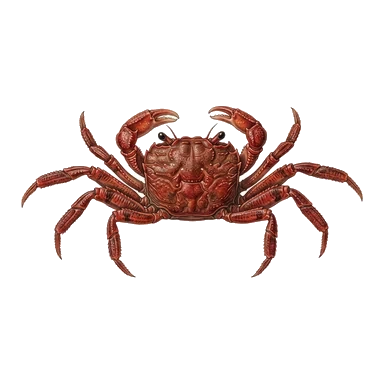
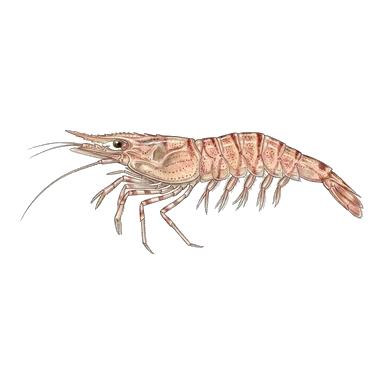
Young cuttlefish learn prey preferences before hatching. Embryos that see crabs later hunt crabs more often than shrimp.1
The colour sepia, a deep brown, is named after this cuttlefish and is extracted from its ink sac.1
Cuttlebones are sold as a source of calcium for pet parrots, and they help keep the bird's beak trimmed.1
Cuttlefish ink is used as a food ingredient that stains dishes deep black.1
Large numbers of cuttlefish die after spawning, and they usually live only up to 2 years.1
Maka ndị ọkachamara nsị
- Aha sayensị
- Sepia officinalis
- Otu
- Ejula cone na octopus
- Ezinụlọ
- Sepiidae2
- Usoro
- Sepiida
- Kọntinent dị iche iche
- Oké Osimiri Atlantik, Osimiri Mediterenian, Osimiri Ugwu (North Sea), Oké osimiri niile
- Ụmụ ọhụrụ
- The female attaches between 150 and 4000 eggs to seaweed, shells or other surfaces. The eggs hatch after 30 to 90 days, depending on temperature, into miniature adults.1
- Ogologo ndụ
- ihe dị ka afọ 21
- Otú ọ na-eme n'ọhịa
- Least Concern1
- Ihe ize ndụ nye mmadụ
- 1 / 5: Obere3
Ebe eziokwu ndị a si
- Common cuttlefish (Wikipedia (CC BY-SA 4.0))
- Sepia officinalis (iNaturalist): aha na nhazi ọkwa.
- Venom Wiki: ọkwa ihe ize ndụ, nha nkịtị na nchepụta ọsọ bụ nke anyị. Lee otú anyị si achọpụta ha: Otú anyị si atụ ihe ize ndụ.
Eziokwu ọ bụla dị na peeji a nwere nọmba na-egosi ebe o si. Ọ bụrụ na anyị mehiere ihe, ndo, anyị bụ ndị hụrụ anụmanụ n'anya, ọ bụghị akwụkwọ akụkọ sayensị. Gwa anyị na [email protected], anyị ga-edozi ya.
 Akpị agụụ na-agụ! Venom Wiki bụ ọrụ otu onye: n'efu, na-enweghị mgbasa ozi na ndị na-esochi gị. Obere onyinye na-enyere aka idebe ya n'ịntanetị.Nye akpị nri
Ndị ọzọ si n'otu ahụ: Ejula cone na octopus
 Geography coneEjula cone na octopusNa-egbu egbu
 Greater blue-ringed octopusEjula cone na octopusNa-egbu egbu
 Southern blue-ringed octopusEjula cone na octopusNa-egbu egbu
 Blue sea dragonEjula cone na octopusNaanị na-afụ ụfụ
 Common octopusEjula cone na octopusAdịghị njọ
 Giant Pacific octopusEjula cone na octopusAdịghị njọ
Ọ na-ebikwa na: Oké Osimiri Atlantik
 Hawksbill sea turtleAnụmanụ ndị ọzọ nwere nsị n'ahụNwere ike igbu mmadụ
 Portuguese man o' warJelifish na anụ osimiri na-agba agbaỌ chọrọ dọkịtaEmetụla ya aka
 Greenland sharkAnụmanụ ndị ọzọ nwere nsị n'ahụNaanị na-afụ ụfụ
 Lion's mane jellyfishJelifish na anụ osimiri na-agba agbaNaanị na-afụ ụfụEmetụla ya aka
 Moon jellyfishJelifish na anụ osimiri na-agba agbaAdịghị njọ
 Common stingrayAzụ na-agba nsịỌ chọrọ dọkịta