
 África
 Asia
Asia Europa
 Sudamérica
 Australia y Oceanía
 Antártida
 Océano Pacífico
 Océano Atlántico
 Océano Índico
 Océano Ártico
 Mar Mediterráneo
 Mar Rojo
 Mar Caribe
 Mar del Coral
 Mar de China Meridional
 Mar de Filipinas
 Mar de Andamán
 Mar del Norte
 Mar de Timor y de Arafura
 Golfo de Bengala
 Golfo de California
Lesser weever
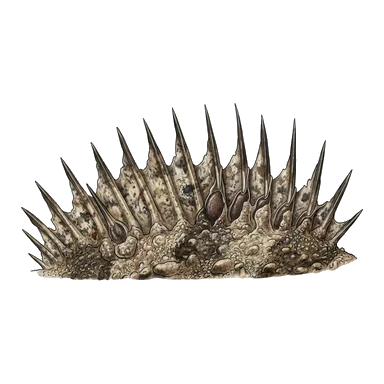 Púas venenosas
The lesser weever is a small, venomous fish that lies buried in sand on the sea floor, often close to the shore. Its venom is strong, and it is considered one of Europe's most dangerous weever species because it lives near beaches where people swim.1
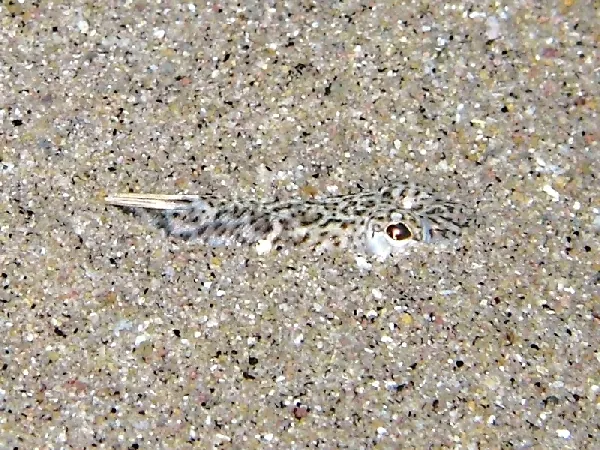
 Cómo reconocerlo
Poder del veneno
Unas púas afiladas llevan el veneno. Pisarlo o agarrarlo duele.
¿Qué hace su veneno?
The venom contains trachinine, a cytolysin (a substance that breaks down cells), along with serotonin, histamine-releasing substances and various enzymes. The sting causes acute and intense pain that often spreads to the area around the limb, and it peaks about 30 minutes after the sting. Swelling, redness, numbness, tingling, nausea and vomiting are common, and rare severe effects include abnormal heart rhythms, seizures, decreased blood pressure and unconsciousness.1
¿Qué peligro tiene para las personas?
Peligro para las personas: GraveSi sus púas se te clavan, ve al médico. Las muertes son muy raras.The lesser weever can sting swimmers badly if they disturb it in the water, and fishermen can be stung when cleaning their nets. Because of its venom and its occurrence near beaches, it is considered one of Europe's most dangerous weever species. Some pain may continue for up to 24 hours.1
¿Qué hace cuando se asusta?
It rests buried in the sand with only its eyes and the tip of its first dorsal fin exposed, and it stings when disturbed.1
 Si sus púas se te clavan
- Wash the wound, then immerse it in very hot water for at least an hour to ease the pain and help destroy the protein-based venom. The water should be 40 °C (104 °F) or as hot as the patient can tolerate. Reassure the patient that the sting is relatively harmless.1
- Mete la herida en agua caliente, tan caliente como la persona aguante sin quemarse (pruébala con tu propia mano), de 30 a 90 minutos. Busca ayuda médica, sobre todo con peces piedra y rayas.
Llama siempre primero a tu número de emergencias (112, 000, 911). Esto son pautas generales de primeros auxilios, no consejo médico. Primeros auxilios básicos
 Mantente a salvo
- Nunca toques, atrapes ni molestes a un animal salvaje, aunque sea pequeño y aunque parezca dormido o muerto.
- Déjale espacio. Si te encuentras uno, mantén la calma, retrocede despacio y deja que siga su camino.
- Si sus púas se te clavan: mantén la calma, no te muevas, llama a tu número de emergencias (112, 000, 911) o ve rápido a un hospital. Recuerda cómo era, una foto ayuda.
No va a por ti. Usa su veneno para cazar o defenderse, y prefiere mil veces esconderse. Más sobre cómo protegerte
¿En qué parte del mundo?
¿Qué tamaño tiene?
¿Cuánto mide?
 mide como 9 piezas de construcción de juguete en fila
 podría nadar el largo de una piscina grande (50 m) en 43 segundos
¿Qué tamaño tiene Lesser weever comparado contigo?
Solo cálculos en tu navegador. No se guarda ni se envía nada a ningún sitio.
¿Qué velocidad alcanza?
Datos
It has the most potent toxin of all the weevers.1
Pain from its sting usually peaks about 30 minutes after the sting.1
Its venom contains trachinine, a cytolysin that breaks down cells.1
Very rarely, sting pain spreads to the lymph nodes in the groin or armpit.1
Its venom glands are on the first dorsal fin and on the gill cover.1
De dónde salen los datos
- Lesser weever (Wikipedia (CC BY-SA 4.0))
- Echiichthys vipera (iNaturalist): nombres y clasificación.
- Venom Wiki: el nivel de peligro, el tamaño típico y la velocidad estimada son nuestros. Mira cómo los calculamos: Cómo valoramos el peligro.
Cada dato de esta página tiene un número que lleva a su fuente. Si nos hemos equivocado en algo, perdón, somos fans de los animales, no una revista científica. Escríbenos a [email protected] y lo arreglamos.
 ¡El escorpión tiene hambre! Venom Wiki es un proyecto de una sola persona: gratis, sin anuncios y sin rastreadores. Una pequeña propina ayuda a mantenerlo en línea.Alimenta al escorpión
Más del mismo grupo: Peces venenosos
 Reef stonefishPeces venenososPuede matarNo tocar
 Red lionfishPeces venenososNecesita médicoNo tocar
 Estuarine stonefishPeces venenososPuede matarNo tocar
 Short-tail stingrayPeces venenososPuede matar
 Striped eel catfishPeces venenososPuede matarNo tocar
 Bluespotted ribbontail rayPeces venenososNecesita médico
También vive en: Océano Atlántico
 Hawksbill sea turtleOtros animales tóxicosPuede matar
 Portuguese man o' warMedusas y picadores marinosNecesita médicoNo tocar
 Blue sea dragonCaracoles cono y pulposSolo duele
 Greenland sharkOtros animales tóxicosSolo duele
 Lion's mane jellyfishMedusas y picadores marinosSolo dueleNo tocar
 Common octopusCaracoles cono y pulposInofensivo