
 Afrika
 Asia
Asia Eropa
Eropa Amerika Selatan
 Australia dan Oseania
 Antarktika
 Samudra Pasifik
 Samudra Atlantik
 Samudra Hindia
 Samudra Arktik
 Laut Tengah
 Laut Merah
 Laut Karibia
 Laut Koral
 Laut Cina Selatan
 Laut Filipina
 Laut Andaman
 Laut Utara
 Laut Timor dan Laut Arafura
 Teluk Benggala
 Teluk California
Common toad
 Racun di kulitnya
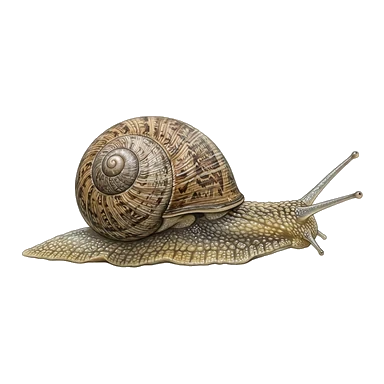
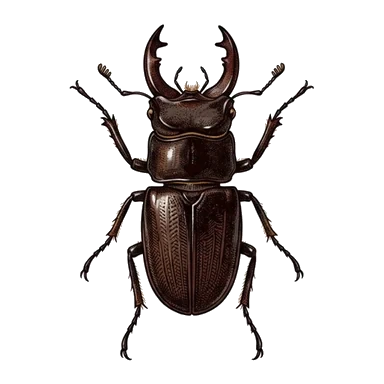
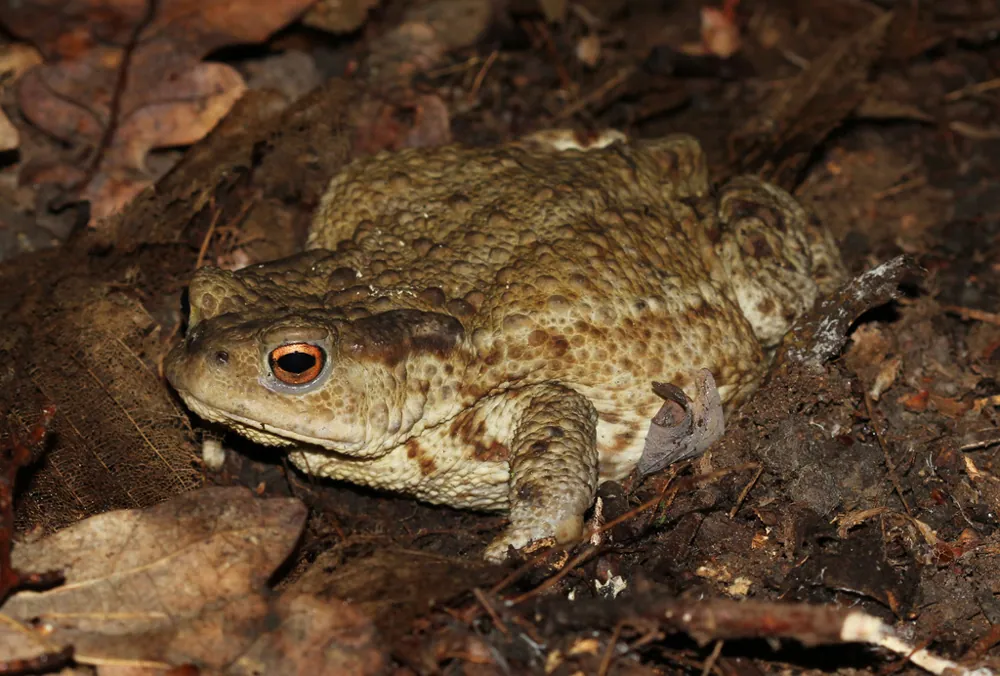
The common toad is a stout, warty toad that lives across most of Europe, in western North Asia and in a small part of northwest Africa. It hides under stones and leaves by day and hunts slugs, beetles and worms at night. Its skin releases a foul-tasting toxin that helps protect it from predators.1
 Cara mengenalinya
- Greyish-brown, olive-brown or brown skin covered in small, wart-like lumps1
- Bulging paratoid glands just behind the eyes, which are a clear sign of a toad1
- Yellow or copper-coloured eyes with horizontal, slit-shaped pupils1
- No tail, no teeth, and no neck visible between the head and body1
- Walks slowly or makes short shuffling hops, rather than leaping1
Sering tertukar dengan: The natterjack toad is usually smaller and has a yellow band down its back. The European green toad has a distinctive mottled pattern. The paratoid glands of both of these run parallel to each other, not slanting as in the common toad. The common frog has a less rounded snout, damp smooth skin, and usually leaps.1
Kekuatan racun
Kulitnya beracun. Berbahaya untuk disentuh, dijilat, atau dimakan.
Apa efek racunnya?
The toad is poisonous rather than venomous, so it does not inject venom. Its paratoid glands and other skin glands secrete a noxious, foul-tasting substance containing bufotoxin, which is enough to deter many predators. Grass snakes seem to be unaffected by it.1
Seberapa berbahaya bagi manusia?
Bahaya bagi manusia: MenyakitkanBisa sangat sakit, tetapi hampir tidak pernah serius.Apa yang dilakukannya saat takut?
When attacked, it inflates its body and stands with its hindquarters raised and its head lowered.1
 Jika seseorang menyentuh atau memakannya
- Jika seseorang menyentuhnya: cuci tangan sampai bersih dan jangan menyentuh mata atau mulut. Jika anak atau hewan peliharaan menjilat atau memakannya: hubungi pusat informasi keracunan atau nomor darurat.
Selalu hubungi nomor darurat dulu (112, 000, 911). Ini panduan pertolongan pertama umum, bukan nasihat medis. Dasar-dasar pertolongan pertama
 Tetap aman
- Jangan pernah menyentuh, menangkap, atau mengganggu hewan liar, walaupun kecil, dan walaupun tampak tidur atau mati.
- Beri ia ruang. Jika bertemu, tetap tenang, mundur perlahan, dan biarkan ia pergi.
- Jika kamu menyentuh atau memakannya: jangan mengucek mata atau mulut, cuci tangan, dan cari bantuan medis.
Ia tidak mengincarmu. Racunnya hanya ada supaya tidak ada yang memakannya. Lebih lanjut tentang tetap aman
Di mana di dunia?
Seberapa besar dia?
Seberapa panjang dia?
 sepanjang 5 balok mainan yang dijajarkan
 bisa menempuh 100 meter dalam 180 detik (manusia tercepat butuh 9,6)
Seberapa besar Common toad dibandingkan KAMU?
Hanya hitungan di browsermu. Tidak ada yang disimpan atau dikirim ke mana pun.
Seberapa cepat dia?


Fakta
Common toads have been recorded at depths of about 99 m in Loch Ness, Scotland, which surprised researchers because it is an air-breathing animal.1
Crows have been seen puncturing the toad's skin and pecking out its liver to avoid the toxin.1
They can live for about ten to twelve years in the wild and have survived for fifty years in captivity.1
Toads can see prey in low light where humans cannot see anything.1
Adults often return to the same breeding pond year after year, and over 80% of males marked as juveniles were found to return to the pond where they were spawned.1
Untuk ahli bisa
- Nama ilmiah
- Bufo bufo
- Kelompok
- Katak beracun, kodok, dan kadal air
- Keluarga
- Bufonidae2
- Urutan
- Anura
- Benua
- Eropa, Asia
- Anak
- The female lays eggs in gelatinous strings in the water. These hatch into tadpoles, which take several months to grow and sprout limbs before becoming tiny toads.1
- Umur
- sekitar 10 tahun1
- Bagaimana keadaannya di alam liar
- Least Concern1
- Bahaya bagi manusia
- 2 / 5: Menyakitkan3
Dari mana faktanya berasal
- Common toad (Wikipedia (CC BY-SA 4.0))
- Bufo bufo (iNaturalist): nama dan klasifikasi.
- Venom Wiki: tingkat bahaya, ukuran umum, dan perkiraan kecepatan adalah buatan kami. Lihat cara kami menghitungnya: Cara kami menilai bahaya.
Setiap fakta di halaman ini punya nomor yang menunjuk ke sumbernya. Kalau kami salah, maaf ya, kami penggemar hewan, bukan jurnal ilmiah. Beri tahu kami di [email protected] dan kami akan memperbaikinya.
 Kalajengkingnya lapar! Venom Wiki adalah proyek satu orang: gratis, tanpa iklan, dan tanpa pelacak. Tip kecil membantu menjaganya tetap online.Beri makan kalajengking
Lainnya dari kelompok yang sama: Katak beracun, kodok, dan kadal air
 Fire salamanderKatak beracun, kodok, dan kadal airHanya sakitJangan sentuh
 Japanese fire-bellied newtKatak beracun, kodok, dan kadal airPerlu ke dokterJangan sentuh
 European fire-bellied toadKatak beracun, kodok, dan kadal airTidak berbahaya
 Iberian ribbed newtKatak beracun, kodok, dan kadal airTidak berbahaya
 Natterjack toadKatak beracun, kodok, dan kadal airTidak berbahaya
 Oriental fire-bellied toadKatak beracun, kodok, dan kadal airTidak berbahaya
Juga hidup di: Eropa
 Common European adderUlar viper dan adderPerlu ke dokter
 Spanish flyHewan beracun lainnyaPerlu ke dokterJangan sentuh
 Common waspLebah, tawon, dan tabuhanHanya sakit
 European hornetLebah, tawon, dan tabuhanHanya sakit
 Western honey beeLebah, tawon, dan tabuhanHanya sakit
 Blunt-nosed viperUlar viper dan adderBisa membunuh